
The Revolution of Body Treatments: How Natural Ingredients Can Transform Your Skin
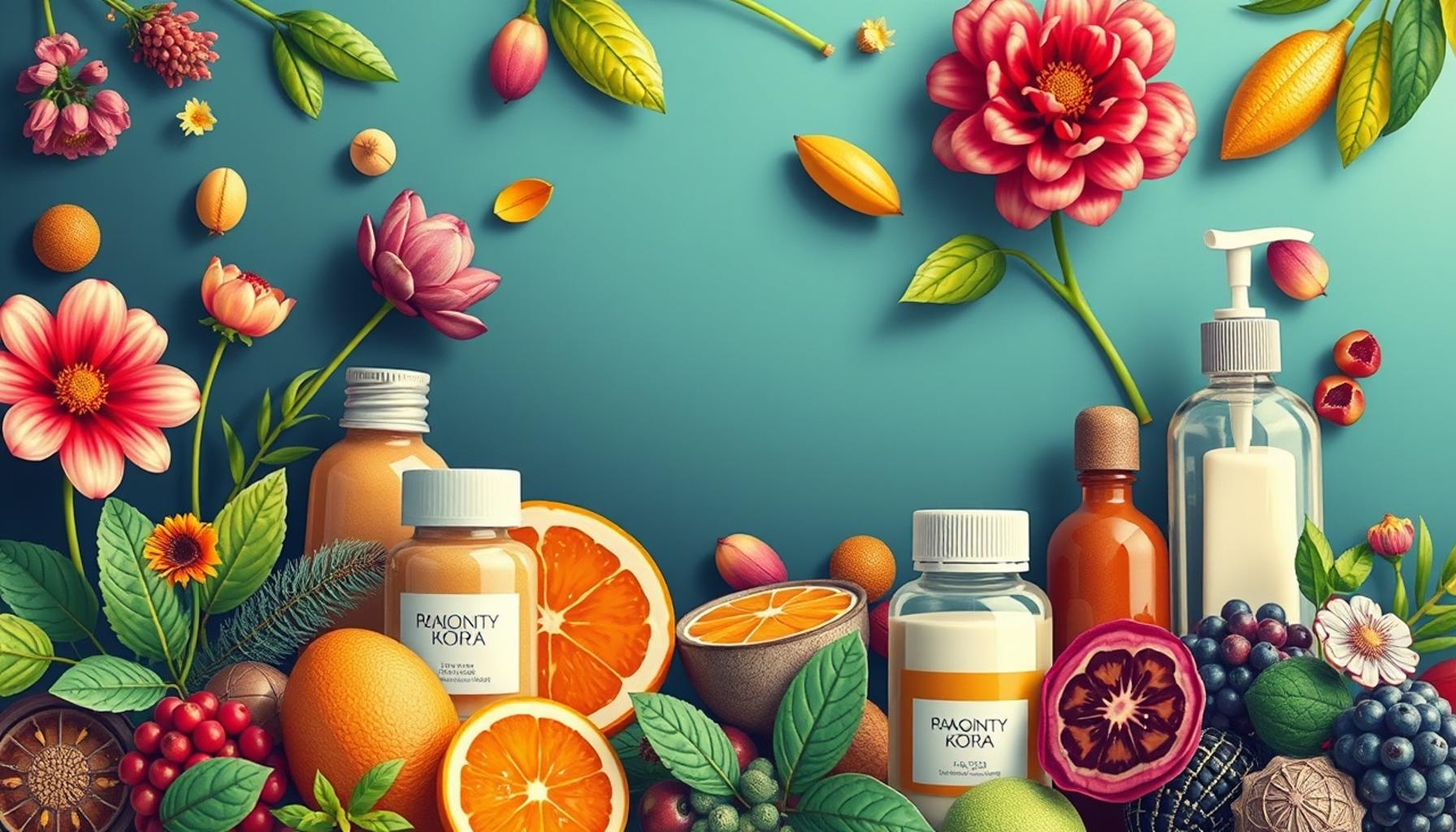
The Rise of Natural Ingredients in Body Treatments
Recent years have marked a pivotal shift within the beauty industry, characterized by a heightened consumer interest in natural ingredients for body treatments. This evolving trend signifies a pronounced move away from synthetic chemicals towards more holistic approaches that promise not only healthier skin but also a more sustainable future for our planet.
Key Drivers of the Transformation
The transition towards natural body treatments is fueled by several compelling reasons. For instance:
- Enhanced Efficacy: Users are increasingly vocal about the effectiveness of natural ingredients. Aloe vera, with its healing properties, is famously known for soothing sunburns and moisturizing skin, while coconut oil acts as a natural moisturizer and has antimicrobial properties. Furthermore, shea butter has gained popularity for its rich fatty acid content that nourishes and protects the skin, making it a staple in many creams and lotions.
- Reduced Irritation: Many consumers, particularly those with sensitive skin, have found relief in natural formulations. Products free from harsh chemicals and artificial fragrances are less likely to provoke allergic reactions, leading to a more enjoyable skincare experience.
- Eco-Friendly Choices: Beyond personal beauty, consumers are now making choices that contribute to environmental sustainability. By opting for plant-based ingredients, they support sustainable agriculture, reduce reliance on petroleum-based materials, and contribute to a decrease in overall environmental impact.
A Lifestyle Shift Towards Wellness
This movement transcends the mere application of creams and lotions; it embodies a broader lifestyle commitment that prioritizes both wellness and environmental mindfulness. As people become more knowledgeable about the products they use, the demand for transparency in the skincare market has reached new heights. Companies are now more compelled than ever to disclose their ingredient lists, fostering a trust-based relationship with consumers who are eager to embrace brands that align with their values.
Exploring the Benefits of Natural Ingredients
Delving deeper into the fascinating world of body treatments that harness natural ingredients reveals transformative potential for the skin. For example, tea tree oil, known for its potent antibacterial properties, is widely used in acne treatment, effectively combating breakouts without the dryness often associated with traditional pharmaceuticals. Similarly, jojoba oil mirrors the skin’s natural sebum, making it an excellent choice for both dry and oily skin types.
As more people discover the myriad benefits of natural ingredients, they are uncovering powerful solutions that promote beauty through nature. This article invites you to explore these innovative treatments that not only enhance aesthetics but also nurture the planet, revealing a path toward a healthier, more sustainable lifestyle.
The Science Behind Natural Ingredients
As the beauty industry embraces this newfound reverence for natural ingredients, understanding the science behind why these components can transform your skin becomes crucial. Natural ingredients often contain vitamins, minerals, and antioxidants that offer profound benefits. For instance, vitamin C, commonly found in products that feature citrus extracts, plays a vital role in skin repair and rejuvenation. It aids in the synthesis of collagen, enhancing skin elasticity and reducing the appearance of fine lines.
Popular Natural Ingredients and Their Potent Benefits
Many consumers may find themselves overwhelmed by the plethora of options available when it comes to natural body treatments. To navigate this landscape effectively, understanding the most impactful ingredients and their unique benefits is essential. The following list outlines some of the most popular natural ingredients making waves in body treatments:
- Honey: Known for its natural moisturizing properties, honey is also an excellent antibacterial agent. It can help to keep the skin hydrated while preventing acne flare-ups, making it a favorite for various body scrubs and masks.
- Oatmeal: A gentle exfoliant, oatmeal soothes irritation and is particularly beneficial for individuals with sensitive skin. It can help relieve conditions such as eczema and dry skin, promoting an overall sense of comfort.
- Green tea: Packed with antioxidants, green tea not only provides anti-aging benefits but can also reduce inflammation. Many body treatments incorporate green tea for its calming effects and ability to protect the skin against everyday environmental stressors.
- Avocado oil: Rich in fatty acids and vitamins A, D, and E, avocado oil nourishes and hydrates the skin. Its emollient properties make it an effective choice for addressing dry skin and promoting a healthy complexion.
For many consumers, the shift towards these natural ingredients is not just a trend; it is a movement deeply rooted in a desire for healthier, more vibrant skin. Studies have shown that when people switch to products with natural ingredients, they often report improved skin conditions, increased moisture retention, and enhanced overall skin appearance. This growing awareness compels users to seek products that not only deliver effective results but also align with their ethical values.
The Challenge of Authenticity in Natural Skincare
While the rise of natural ingredients is celebrated, it is essential to approach this market with an informed perspective. The surge in demand has led to some products being labeled as “natural” without adhering to strict standards. Consumers must learn to distinguish between genuinely natural products and those that employ misleading marketing tactics. Third-party certifications, such as the USDA Organic seal, can provide essential guidance in identifying authentic natural skincare products.
As you venture further into this revolution of body treatments, equipped with the knowledge of how natural ingredients can enhance your beauty regimen, consider your choices carefully. The journey of discovering the right products for your skin is as meaningful as the results you seek, inviting you to be a more conscious consumer in the ever-evolving landscape of skincare.
| Advantages | Key Features |
|---|---|
| Natural Hydration | Ingredients like aloe vera and coconut oil provide deep moisturizing effects. |
| Skin Regeneration | Natural enzymes in pomegranate and pineapple promote cell renewal. |
| Anti-Aging Properties | Rich in antioxidants, substances like green tea help combat premature aging. |
| Improved Texture | Natural exfoliants such as brown sugar enhance skin smoothness. |
Natural ingredients in body treatments are at the forefront of skincare innovation, offering a myriad of benefits compared to conventional methods. Natural hydration from ingredients like aloe vera provides an intense moisture boost without harmful additives. Meanwhile, the skin regeneration propelled by natural enzymes in pomegranate and pineapple fosters the creation of fresh, new skin cells, promoting a youthful glow.Moreover, the incorporation of components high in antioxidants, such as green tea, contributes significantly to anti-aging properties. This helps combat fine lines and wrinkles, making skin appear revitalized. Additionally, natural exfoliants like brown sugar can improve skin texture, ensuring a smoother, more radiant complexion. These transformative benefits are driving a shift towards more sustainable and skin-friendly treatment solutions. Thus, the exploration of these natural options opens doors to healthier skincare alternatives.
Understanding Skin Types and Tailoring Natural Treatments
As consumers increasingly shift towards natural body treatments, recognizing the diverse skin types and their individual needs is paramount. Just as no single diet works for everyone, the efficacy of natural ingredients can significantly vary based on skin type. With the right knowledge, individuals can tailor their skincare routines to better suit their personal requirements, ensuring maximum benefits from the natural ingredients they choose.
For those with oily skin, ingredients such as tea tree oil and witch hazel can be especially effective. Both have natural antiseptic properties that help combat acne while reducing excess shine. Tea tree oil, for example, has been shown to reduce acne lesions and inflammation, making it a popular choice among natural body treatments. On the other hand, those with dry skin should gravitate towards ingredients like coconut oil or shea butter. Rich in fatty acids, these ingredients help to lock in moisture, restoring hydration and leaving the skin feeling soft and supple.
Sensitive skin types often require the utmost care. In this case, aloe vera stands out for its soothing properties. Its ability to calm irritation and provide gentle hydration has made it a staple in many natural body formulations. Similarly, calendula oil, derived from the marigold flower, is celebrated for its anti-inflammatory effects, making it particularly effective for those with skin conditions like rosacea or eczema.
The Rise of DIY Natural Treatments
As awareness around natural ingredients grows, a new trend has emerged—a surge in DIY body treatments. Armed with simple recipes and natural ingredients found in their own kitchens, individuals are crafting their skincare products at home. This not only empowers them to take control of their skin health but also enables them to customize treatments based on their specific needs.
Popular DIY concoctions include homemade sugar scrubs made with coconut oil and essential oils, or facial masks using avocado or egg whites as a base. Ingredients like baking soda can also serve as a gentle exfoliant, effectively removing dead skin without the chemical components often found in store-bought exfoliators. These practices reinforce the idea that skincare can be both affordable and effective, bridging the gap between self-care and sustainability.
Connecting with Nature: Ethical and Sustainable Choices
Beyond the immediate benefits for the skin, the revolution of body treatments that prioritize natural ingredients is also linked to a broader movement towards ethical and sustainable skincare. Many brands are now focusing on sourcing ingredients responsibly, ensuring that they do not contribute to environmental damage or exploitative labor practices. Ingredients like shea butter and argan oil, which come from local cooperatives in Africa, offer consumers an opportunity to support fair trade practices while benefiting from their nourishing properties.
Brands that champion eco-friendly packaging and cruelty-free policies resonate deeply with mindful consumers. Not only do these initiatives foster a healthier planet, but they also promote a sense of community and shared values between brands and consumers. As a result, the act of choosing body treatments made from natural ingredients extends far beyond personal beauty; it becomes a statement of intention and lifestyle.
Ultimately, understanding the diverse benefits of natural ingredients and their tailored applications not only leads to healthier skin but encourages an informed, ethical approach to personal care. As this skincare revolution continues to unfold, individuals have the opportunity to embrace a holistic approach to beauty that prioritizes both personal wellness and the wellbeing of the planet.
Conclusion: Embracing Natural Revolution in Body Treatments
As we navigate through the revolution of body treatments, it becomes increasingly clear that natural ingredients are not merely a trend, but a necessity in skincare. The significance of understanding individual skin types and their unique needs cannot be overstated, as personalized care enhances the effectiveness of natural remedies. With options ranging from tea tree oil for oily skin to shea butter for dry skin, the versatility of these ingredients empowers individuals to craft skincare routines that cater specifically to their conditions.
Moreover, the rise of DIY natural treatments reflects a growing desire for autonomy over personal care. Empowering consumers to mix and match ingredients leads to a more intimate relationship with their skin, fostering a sense of accountability for one’s own health and wellbeing. This shift towards homemade products not only enhances self-care but also aligns with a broader movement towards sustainability.
Additionally, embracing natural body treatments aligns with ethical considerations, as consumers are increasingly seeking brands that prioritize responsible sourcing and sustainable practices. By selecting products that are both effective and eco-friendly, individuals contribute positively not just to their own skin, but also to the planet.
Ultimately, the transformation brought about by natural ingredients in body treatments invites individuals to rethink their approaches to skincare. This holistic perspective is not only beneficial for personal wellness, but also reflects a commitment to ethical and sustainable living. As this revolution continues to gain momentum, it inspires a community dedicated to conscious beauty, paving the way for healthier skin and a healthier planet.