
Minimalism in Daily Life: Practices to Simplify Routines and Increase Efficiency
Understanding the Benefits of Minimalism
In an age flooded with distractions and excess, embracing minimalism in daily life can be a breath of fresh air. This intentional lifestyle choice focuses on reducing clutter—both physical and mental—to enhance daily routines and boost efficiency. With more people recognizing the benefits of this approach, it has become increasingly popular across various demographics, particularly in the United States.
Many people find themselves surrounded by a plethora of belongings, most of which go unused. Minimalism encourages individuals to reflect on their possessions and eliminate anything that does not serve a purpose or spark joy. This leads to a cleaner and calmer living environment. The process of decluttering not only involves physical items but also extends to sorting out emotional baggage and mental clutter. Studies show that environments laden with clutter can hinder cognitive processing, ultimately leading to stress and anxiety.
Core Practices for Embracing Minimalism
To effectively adopt minimalist principles, individuals can focus on the following three core practices:
- Decluttering Spaces: Removing unnecessary items from your home fosters a sense of calm. This could start with a small space, like a drawer or a closet, and gradually extend to larger areas. For instance, implementing the “one in, one out” rule helps maintain order; for every new item brought into your home, an old one must leave.
- Simplifying Schedules: Prioritizing tasks helps focus on what truly matters. A well-structured calendar that highlights essential commitments allows for both productivity and free time. Time management techniques, such as the Pomodoro Technique, encourage working in short bursts followed by breaks, ultimately cultivating efficiency.
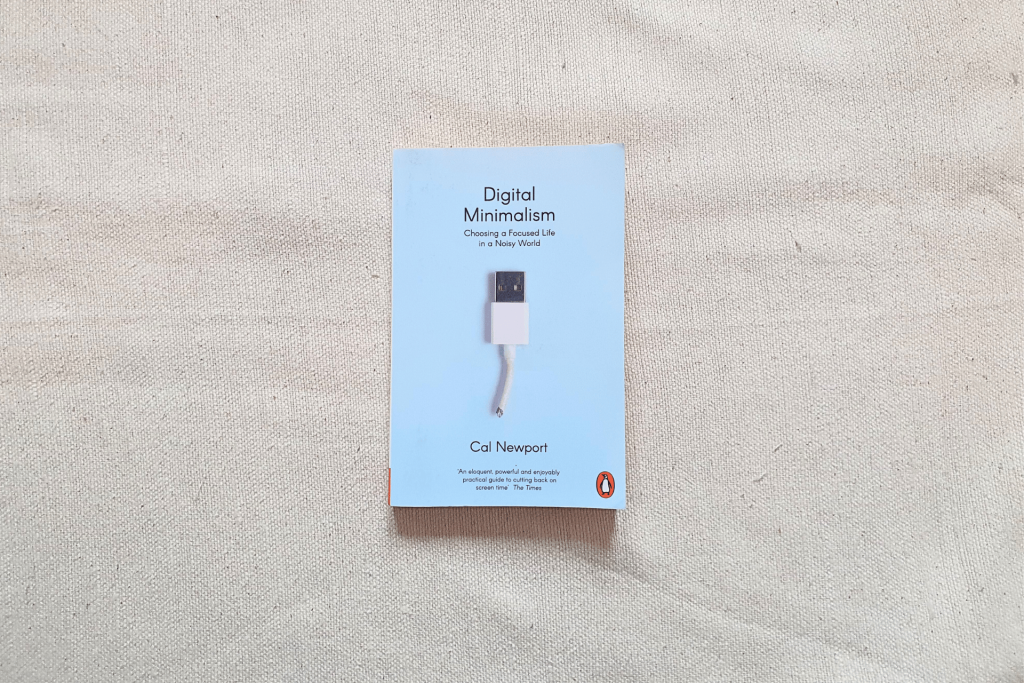
- Digital Minimalism: Reducing screen time and organizing digital files can prevent overwhelm. In a world dominated by technology, the concept of digital minimalism becomes even more relevant. Limiting the number of apps on your phone, unsubscribing from unnecessary emails, and creating dedicated times for social media can drastically enhance mental clarity.
As you embark on a minimalist journey, consider how these practices may not only simplify your routines but also help you reclaim your time and mental energy. Research suggests that individuals who practice minimalism often report heightened productivity and reduced stress levels. This lifestyle can also lead to financial savings as people become more intentional about their purchases, investing only in items that truly add value to their lives.
What might be the impact on your life if you adopted some of these concepts? The journey into minimalism is deeply personal; it is about discovering what you truly value and aligning your environment and activities with those values. Embracing a minimalist lifestyle can lead to actionable change, including fostering deeper relationships, increased focus on personal growth, and a stronger sense of purpose. By exploring how minimalism can reshape your daily life, you may find that a simpler existence is not just a fleeting trend, but a path to lasting fulfillment.
Practical Steps to Implement Minimalism in Daily Life
Embracing minimalism doesn’t happen overnight; it requires a thoughtful approach and concerted effort. By starting small and implementing practical steps, you can integrate minimalist principles into your daily routine, ultimately leading to a more satisfying lifestyle. Here are several actionable strategies to consider:
- Create a ‘Minimalism Mission Statement’: Begin your minimalist journey by articulating your core values and objectives. This statement can serve as a guiding principle for your decluttering and simplification efforts. For example, you might prioritize experiences over possessions, which can help you make more intentional choices about what to keep in your life.
- Establish a Daily Decluttering Habit: Dedicate just a few minutes each day to declutter a specific area or item. Set a timer for 10-15 minutes and concentrate solely on removing unnecessary items. This small commitment can lead to significant results over time, transforming your home and workspace into more serene environments.
- Adopt Capsule Wardrobe Principles: One practical application of minimalism is to simplify your wardrobe. A capsule wardrobe, which consists of a limited number of versatile clothing items, allows you to streamline your choices and reduce decision fatigue. Consider keeping only pieces that you love or frequently wear, thus making getting dressed a more enjoyable and efficient experience.
- Prioritize Quality over Quantity: When it comes to purchases, think critically and consider investing in high-quality items that you truly need or cherish, rather than opting for cheaper, lower-quality alternatives. This shift in mindset not only supports a more sustainable lifestyle but can also lead to financial savings in the long run.
- Implement Tech-Free Zones: In a hyper-connected world, identifying areas in your home or daily routine where technology is limited can improve focus and mental clarity. Establish tech-free zones where you can unwind, read, or engage in creative hobbies without digital distractions.
Beyond these practices, it’s essential to recognize the importance of mindfulness in the journey toward minimalism. Being present and intentional in everyday actions can help you prioritize tasks and make better choices that align with your minimalist goals. Adopting techniques like meditation or journaling can provide clarity and alleviate stress, enhancing your overall well-being.
Research indicates that implementing these minimalist practices not only simplifies your physical space but also creates a profound impact on mental health. The less clutter you manage, the more energy you can devote to relationships, career pursuits, and personal growth. As you explore and embrace each minimalist principle, you may uncover a renewed focus on what truly matters in your life, transforming everyday tasks into meaningful experiences.
| Practice | Benefits |
|---|---|
| Decluttering | Promotes clearer thinking and reduces stress. |
| Time blocking | Ensures focused work sessions and maximizes productivity. |
Incorporating decluttering into daily life is one of the most effective practices for achieving minimalism. It involves eliminating unnecessary items from your living space, which not only creates a more organized environment but also promotes clearer thinking and reduces stress. Studies have shown that a cluttered space can contribute to feelings of overwhelm, while a minimalist environment fosters peace and clarity.Another powerful approach is time blocking, a scheduling technique that divides your day into focused segments dedicated to specific tasks. This method not only enhances efficiency but also helps in maintaining concentration on the current task at hand. By allocating set time periods for email checks, meetings, or essential tasks, you can mitigate distractions and significantly boost your productivity levels.Each of these practices embodies the principles of minimalism, paving the way for a more efficient and fulfilling daily routine. Discovering how these small changes can lead to substantial improvements in productivity might inspire readers to embrace these practices fully.
Enhancing Daily Efficiency through Minimalism
Implementing minimalism is not solely about reducing clutter; it’s also about enhancing overall efficiency in your daily life. By incorporating minimalist practices, you can streamline your tasks, reduce decision fatigue, and create more time for what you truly enjoy. Here are additional strategies to help you achieve this balance:
- Create a Morning Routine that Sparks Joy: A minimalist approach to your morning routine can set a positive tone for the rest of the day. Limit the number of steps in your routine to the essentials that truly resonate with you. Embrace activities such as meditation, a quick workout, or savoring a favorite breakfast. By focusing on what brings you joy, you reduce stress and start your day with intention.
- Utilize a ‘One In, One Out’ Policy: To maintain a minimal lifestyle, adopt a ‘one in, one out’ philosophy when introducing new items into your life. This practice encourages thoughtful purchasing decisions and discourages the accumulation of unnecessary possessions. For every new item, make it a point to let go of something you no longer need. This can help you keep your space organized and your mind clear.
- Batch Similar Tasks: A common source of inefficiency is task switching. By applying a minimalist mindset to your to-do list, you can group similar tasks and tackle them during dedicated blocks of time. For instance, allocate specific periods to respond to emails, make phone calls, or run errands. This streamlined approach minimizes distractions and enhances productivity.
- Design an Efficient Workspace: A clutter-free and intentional workspace is essential for fostering creativity and focus. Evaluate your work environment and remove items that do not serve a purpose. Invest in organization tools that align with minimalist aesthetics, allowing for a clean and inspiring space that promotes creativity without excess.
- Optimize Meal Planning: Minimalism can also simplify food preparation. Implement a meal planning system where you outline your dishes for the week, focusing on healthy, simple recipes with fewer ingredients. This not only saves time in the kitchen but also helps reduce food waste by streamlining your grocery shopping.
Incorporating these strategies into your daily life can lead to remarkable improvements in both efficiency and satisfaction. Additionally, studies suggest that individuals who embrace minimalism report higher levels of happiness and decreased levels of anxiety. Minimalism encourages a mindful examination of one’s priorities, allowing you to rediscover pleasure in everyday activities.
Furthermore, as you simplify your routines, you may find increased opportunities for connection with yourself and others. Reducing excess paves the way for building meaningful relationships by allowing more time for experiences rather than things. Whether it’s sharing dinner with loved ones or exploring new hobbies, minimalism cultivates an environment where genuine interactions flourish.
In a fast-paced society where distractions abound, minimalism offers a refreshing perspective—one that champions clarity and intentional living. By refining your routines and focusing on what truly matters, you can convert everyday tasks into mindful practices that amplify your life’s purpose.
Embracing Minimalism for a Meaningful Life
In conclusion, adopting a minimalist approach to daily life profoundly transforms not just physical spaces but also mental clarity and overall well-being. The strategies outlined—from creating a joyful morning routine to optimizing meal planning—enable individuals to navigate their lives with greater intention and focus. Minimalism isn’t merely about decluttering; it’s about cultivating a lifestyle that prioritizes experiences over possessions and effectiveness over excess.
As you incorporate these practices into your routines, recognize that minimalism holds the potential to enhance both productivity and personal fulfillment. By reducing decision fatigue and eliminating distractions, you can clear a path for what truly matters. Studies indicate that a minimalist mindset can lead to higher happiness levels and lower anxiety, revealing the psychological benefits of simplifying life’s complexities.
Moreover, minimalism nurtures genuine connections, shifting the focus from material accumulation to meaningful interactions. By giving your time and attention to relationships and experiences, you enrich your life in ways that possessions never could. Embracing this mindset offers an opportunity to rediscover joy in daily activities, leading you to a more mindful existence.
As you strive to implement minimalism, consider it a continuous journey rather than a fixed destination. By committing to this lifestyle, you open the door to a more fulfilling and efficient way of living. Start small, take intentional steps, and watch as simplicity paves the way for clarity, purpose, and enhanced enjoyment in your daily life.
Related posts:
Simplicity and Well-Being: How Reducing Chaos Can Improve Your Mental Health
The Art of Uncomplicating: How Focusing on Simplicity Transforms Your Life
Simplicity in Practice: Strategies to Organize Your Space and Mind
The Simplicity of Remote Work: Strategies to Maintain Focus in a Distracted Environment
Daily Rituals of Simplicity: Creating Habits that Promote Clarity and Focus
The Power of 'No': How Learning to Say No Can Transform Your Life and Increase Your Focus on Simplic...

Linda Carter is a writer and organization expert specializing in minimalism and personal organization. With extensive experience helping individuals create clutter-free, functional spaces and adopt mindful habits, Linda shares her knowledge on our platform. Her goal is to empower readers with practical advice and strategies to simplify their lives, stay organized, and achieve a sense of calm and balance in their daily routines.