
Transforming Chaos into Order: Principles of Minimalist Space Management for Work Environments

The Importance of Minimalism in Modern Work Environments
In an age characterized by continuous information overload and relentless deadlines, the average workplace has evolved into a landscape of distraction and disorder. As employees balance a plethora of tasks—meetings, emails, and ever-growing project lists—experiencing disorganization can significantly hinder both individual and team productivity. Thus, the pursuit of a streamlined, efficient workspace has emerged as an essential focus for organizations aiming to excel in today’s competitive market.
Minimalist space management comes into play as a viable solution, advocating for the transformation of cluttered environments into organized, purposeful areas. Implementing minimalist principles can catalyze an invigorating shift within the workplace. Consider the following foundational tenets:
- Functionality: It’s essential to identify and prioritize only those items that are crucial for achieving work objectives. This may include utilizing ergonomic furniture, quality technology, and effective organizational tools that enhance performance while eliminating unnecessary distractions.
- Simplicity: By eliminating excess visual stimuli, whether through decluttering desks or using muted color palettes on walls and furniture, employees can maintain focus on their tasks. Studies indicate that simpler environments help in minimizing cognitive overload and fostering a more effective workflow.
- Intentionality: Each item in the workspace should serve a distinct purpose rather than merely filling space. This can involve incorporating multifunctional furniture, like standing desks or modular seating, that adds both aesthetic value and practicality.
Beyond enhancing the aesthetic appeal of a workspace, these minimalist principles contribute significantly to mental clarity and well-being. Research has shown that a minimalist environment can enhance concentration levels and reduce stress, which is crucial in a time when workplace-related anxiety is on the rise.
As companies across the United States navigate the complexities of remote work and hybrid models, the significance of minimalist organization cannot be overstated. Many firms have discovered that investing in a minimalist workspace not only boosts employee morale but also fosters an innovative atmosphere conducive to creative thinking. For instance, tech giants like Google and Apple have incorporated minimalist design principles in their office spaces, thereby facilitating collaboration and enhancing productivity.
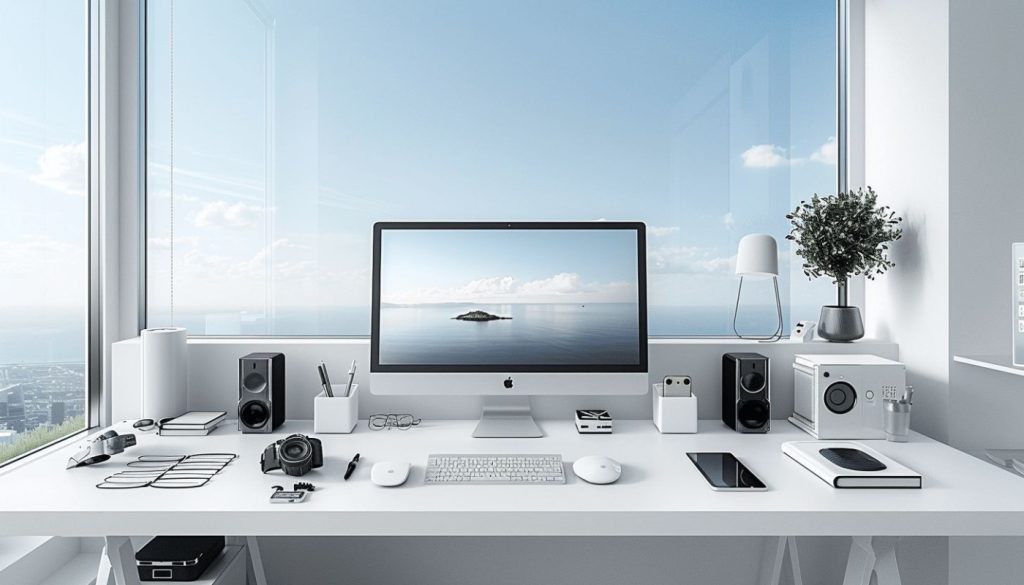
Embracing minimalist space management transcends mere design trends; it represents a strategic framework that can fundamentally alter work dynamics. By understanding and implementing these principles, organizations empower their workforce to operate within a conducive environment, free from the clutter that stifles creativity and hinders focus. As we move forward in a rapidly changing professional landscape, the urge to simplify and streamline our workspaces becomes a holistic approach to nurturing both individual talent and collective productivity.
Embracing the Core Principles of Minimalist Space Management
The process of transforming chaos into order through minimalist space management begins with a clear understanding of its foundational principles. In an era where distractions are pervasive, strategically decluttering workspaces holds the key to enhancing productivity. Minimalism is not simply about aesthetics; it is about optimizing functionality and fostering a positive work atmosphere. To achieve this, organizations can adopt several practical strategies grounded in minimalist philosophy.
1. Prioritizing Purposeful Design
When reimagining a workspace, purposeful design stands at the forefront. Organizations should assess every element of their work environment and question its necessity. Are all the items on a desk contributing to productivity? Implementing the “one-in, one-out” rule helps ensure that each new addition must be accompanied by the removal of an unnecessary item. This approach not only keeps clutter at bay but also encourages employees to be deliberate about their workspace, fostering a culture of intentionality.
2. Creating Clarity Through Organization
Effective organization is crucial in a minimalist setup. Simple storage solutions like labeled bins, drawer organizers, and desktop trays can maintain order while minimizing visual distractions. Furthermore, establishing a “clean desk” policy can further enhance clarity; a tidy workspace is directly linked to increased focus, allowing employees to channel their energy toward their core responsibilities. According to a study by the National Center for Biotechnology Information, individuals working in organized environments experience less stress and greater job satisfaction compared to those in disheveled settings.
3. Implementing a Functional Layout
The layout of a workspace can significantly impact the effectiveness of minimalist principles. By implementing zoning techniques, organizations can develop areas designated for collaboration, individual work, and relaxation. These zones should cater to different work styles, accommodating for both collaborative projects and deep-focused tasks. Flexible workspace arrangements, such as open floor plans integrated with soundproof booths or quiet zones, can enhance communication while preserving individual productivity. Adjusting the workspace layout maximizes functionality and allows employees to occupy spaces that best suit their needs.
4. Encouraging Digital Minimalism
As the digital realm claims a prominent role in today’s work culture, embracing digital minimalism is equally important. Encouraging employees to declutter their digital environments—such as organizing email inboxes, deleting unnecessary files, and curating application usage—can drastically reduce cognitive overload. Tools such as project management software and cloud storage can also enhance efficiency by simplifying collaboration and centralizing resources. As employees become adept at managing their digital spaces, they can transition into their physical workspaces with a focus that translates to heightened productivity.
By addressing these essential aspects of minimalist space management, organizations can create a work environment that not only minimizes chaos but also cultivates an atmosphere ripe for innovation and efficiency. The journey towards a minimalist workspace is an ongoing process that requires commitment, but the benefits are undoubtedly transformative. As workplaces continue to evolve, embracing these principles can yield profound dividends, establishing a more productive and harmonious worklife for all employees.
Minimizing Distractions for Enhanced Productivity
One of the key principles of minimalist space management is minimizing distractions within the work environment. Cluttered spaces can significantly impact focus and creativity. A well-organized workspace, characterized by its simplicity and strategic arrangement, inherently promotes a more efficient workflow. By eliminating unnecessary items and maintaining only essential tools, employees can direct their attention towards tasks that matter most. Studies have shown that an environment with fewer distractions can lead to up to a 30% increase in productivity. Implementing minimalist practices, such as defined zones for specific activities, can help in achieving optimal workflow. This not only contributes to personal efficiency but also strengthens team collaboration as it allows for quick access to relevant materials, minimizing downtime.
Emotional and Psychological Benefits of Minimalism
The impact of a minimalist work environment extends beyond mere aesthetics; it can profoundly affect mental health and well-being. Clutter can evoke feelings of anxiety and overwhelm, detracting from overall job satisfaction. A workspace designed with principles of minimalist space management can foster calmness and clarity, offering employees a sense of control over their surroundings. Incorporating elements like natural light, open spaces, and ergonomic furniture can enhance comfort and create a more inviting atmosphere. The reduction of visual noise allows for greater mental tranquility, which is essential for creative thinking and problem-solving. As organizations increasingly recognize the link between workspace design and employee wellness, embracing a minimalist approach becomes not just a trend but a necessity in cultivating a thriving work environment.
| Category | Description |
|---|---|
| Distraction Reduction | Minimizing clutter enhances focus, improving productivity levels. |
| Mental Clarity | A simplified workspace fosters tranquility and boosts creative thinking capabilities. |
Incorporating these principles not only transforms individual workspaces but also paves the way for organizational success through enhanced team dynamics and productivity. Exploring minimalist space management can lead to groundbreaking changes in how spaces are utilized and experienced by employees, dragging them into a forward-thinking ethos that resonates throughout the workplace.
Maximizing Efficiency Through Minimalist Practices
Transforming work environments into hubs of productivity is not solely about decluttering physical spaces; it also involves integrating minimalist practices that promote efficiency and well-being. As organizations continue to recognize the significance of a thoughtfully curated workspace, they are beginning to adopt additional principles designed to support employees in their pursuit of order amidst the chaos of daily operations.
5. Fostering a Culture of Mindfulness
At the heart of minimalist space management is the concept of mindfulness. Companies can enhance workplace environments by encouraging employees to adopt mindfulness practices that center their focus and reduce stress. Simple initiatives like designated quiet times for reflection or meditation can create a psychological shift towards calmness. Research from the American Psychological Association shows that work environments emphasizing mindfulness can lead to improved employee morale and better decision-making. Establishing areas for mindfulness within the workspace further supports this, allowing employees to retreat from distractions and recalibrate their focus.
6. Prioritizing Sustainability
Minimalism aligns closely with sustainability, an increasingly relevant concern for many organizations. The minimalist approach encourages a reduction in waste, particularly in office supplies and equipment. Organizations can opt for energy-efficient lighting, sustainable materials for furniture, and digital alternatives to paper usage. A 2022 report from the Global Sustainability Institute indicated that companies integrating sustainable practices not only reduced their carbon footprint but also enjoyed increased employee engagement and loyalty. Emphasizing sustainability within minimalist frameworks leads to a dual benefit of ecological responsibility and enhanced organizational culture.
7. Incorporating Flexibility and Adaptability
Creating a minimalist workspace also means acknowledging that flexibility and adaptability are crucial in today’s fast-paced work environments. Organizations can benefit from modular furniture and configurable spaces that can change according to the needs of a team or project. This adaptability helps foster a dynamic workplace culture, allowing for spontaneous collaboration and innovation. A study by IBM found that organizations with a flexible workspace solution reported a 20% increase in productivity and employee satisfaction. Emphasizing flexibility in workspace design leads to an environment where employees feel empowered to work in ways that suit them best.
8. Leveraging Technology for Integration
As technology becomes more ingrained in our work lives, minimalist principles can also be applied to tech usage. Integrating technology seamlessly into a minimalist workspace can simplify processes and enhance efficiency. For instance, using project management tools, cloud-based storage, and communication platforms can reduce clutter caused by inefficient systems. Data from the Project Management Institute suggests that organizations utilizing effective project management software see a 38% higher success rate in achieving project goals. By simplifying technological interactions, businesses can effectively complement their physical minimalist environments.
Through these additional principles of minimalist space management, organizations can create holistic work environments that not only eliminate distractions but also foster a culture of productivity, well-being, and sustainability. By prioritizing mindfulness, sustainability, flexibility, and technological integration, workplaces can evolve into organized spaces that genuinely support the modern workforce’s needs. As more organizations delve into these minimalist practices, the transformative potential of their work environments will become increasingly apparent, ushering in a new era of workplace productivity.
Conclusion: Embracing Minimalism for Future Workplaces
In an era where workplace demands continuously evolve, transforming chaos into order through minimalist space management has emerged as a pivotal strategy for enhancing productivity and employee well-being. By implementing the principles outlined—such as fostering a culture of mindfulness, prioritizing sustainability, embracing flexibility, and leveraging technology—organizations can cultivate a work environment that not only reflects efficiency but also resonates with the values of the modern workforce.
Minimalism is not merely a trend; it represents a profound shift in how we perceive organization and productivity. Research highlights that companies investing in minimalist strategies experience significant improvements in satisfaction and engagement among employees. This dual focus on intuitive space design and employee needs can lead to a transformational impact where creativity and collaboration thrive. As more businesses embark on this journey, the benefits of minimalism will likely become more evident, driving workplace cultures that empower individuals to perform at their best.
In embracing these minimalist practices, organizations are not only preparing for a more organized workplace—they are paving the way for a sustainable and adaptable future. The implications extend beyond the office walls; as companies embody the values of mindfulness and sustainability, they contribute to a broader movement towards responsible and conscious business practices. This fusion of minimalist space management with organizational ethos may very well redefine what it means to work in harmony with one’s environment.
As we move forward, it is crucial for organizations to continuously explore the principles of minimalist management. Doing so not only enhances operational efficiency but also lays the groundwork for a harmonious and inspiring workplace where employees can flourish. The journey to transform chaos into order has begun, and the possibilities are limitless.
Related posts:
Transforming Empty Spaces into Functional Areas: Management Techniques for a Minimalist Lifestyle
Optimizing Small Spaces: Space Management Tips for a Minimalist Lifestyle
Establishing Priorities: The Impact of Space Management on Personal Organization and Minimalism
Developing a Minimalist Mindset: Space Management Strategies for a More Organized Life
Space Management as a Tool to Foster Creativity in Minimalist Environments
Creating Multifunctional Spaces: Space Management as a Solution for Small Environments

Linda Carter is a writer and organization expert specializing in minimalism and personal organization. With extensive experience helping individuals create clutter-free, functional spaces and adopt mindful habits, Linda shares her knowledge on our platform. Her goal is to empower readers with practical advice and strategies to simplify their lives, stay organized, and achieve a sense of calm and balance in their daily routines.