Minimalism in Practice: How Space Management Can Transform Your Home
Embracing Simplicity: The Benefits of Minimalism
In a consumer-driven society overflowing with possessions and distractions, the idea of minimalism stands out as an appealing solution. Space management allows individuals not only to organize their surroundings but also to foster a profound sense of calm and clarity. Imagine stepping into a home that exudes peace, where every item serves a purpose, and there is a palpable air of intentional living.
Minimalism’s allure lies in its transformative potential. Here are some compelling aspects of a minimalist lifestyle to consider:
- Enhanced Focus: A decluttered environment minimizes distractions, making it easier to concentrate on tasks. Studies have shown that simplified spaces can improve productivity significantly. For instance, professionals working in clean, organized offices report higher levels of focus and creativity.
- Improved Aesthetics: A minimalist approach promotes beauty through simplicity. The use of clean lines, neutral color palettes, and intentional decor creates a serene atmosphere. Many interior designers advocate for this approach, highlighting how less can often be more in creating an inviting and elegant space.
- Stress Reduction: Clutter can be a significant source of anxiety. A tidy environment contributes to lower stress levels and promotes a sense of well-being. For many, cultivating minimalism has led to mindfulness practices, allowing for a more grounded and fulfilling life experience.
However, minimalism goes beyond merely discarding items; it is about thoughtfully curating an environment that reflects your values and priorities. It invites you to resist the perpetual urge to acquire more and instead encourages you to cherish what you already possess, granting significance to just a few meaningful belongings.
This lifestyle beckons individuals to rethink their relationship with consumerism, emphasizing a shift from ownership to experiences. For example, instead of purchasing new items, many minimalists opt for budgeting their resources toward travel or hobbies that enrich their lives, prompting deeper satisfaction and joy.
As you embark on a journey toward minimalism, you will uncover various techniques that can significantly enhance your living space. From the practical steps of decluttering to the philosophical approaches of mindful consumption, the principles of minimalism promise not just spatial clarity but a more profound internal harmony. Join us as we explore these methods further, empowering you to make your home a true sanctuary.
Practical Steps to Minimalism: A Guide to Decluttering
Embarking on a minimalist journey doesn’t require a radical overhaul overnight. Instead, it’s about developing a strategy for space management that fits your lifestyle and fosters lasting change. The following practical steps can serve as your roadmap to a less cluttered, more intentional home.
- Start Small: Begin with one area of your home, such as a single drawer or a closet. Tackling smaller spaces can provide a sense of accomplishment and encourage you to continue the process. The act of decluttering can be invigorating and rewarding, reinforcing your motivation.
- Set Criteria: Establish specific criteria for what items you choose to keep. Questions like “Does this serve a purpose?” or “Does this bring me joy?” can help in making thoughtful decisions about what to retain. This evaluation process is essential for intentional living.
- One In, One Out: To maintain a minimalist lifestyle, adopt the “one in, one out” rule — for every new item you bring into your home, commit to removing an old one. This practice helps curb impulsive buying habits and reinforces the significance of each possession.
- Digital Detox: Minimalism extends to the digital realm as well. Clean up your digital devices by deleting unused apps, organizing files, and unsubscribing from irrelevant newsletters. A decluttered digital space can contribute to overall mental clarity.
- Routine Maintenance: To ensure your minimalist effort endures, integrate regular decluttering sessions into your routine. Schedule monthly check-ins to reassess what you own and identify items that may have accumulated unnecessarily.
Each of these steps plays a crucial role in transforming your home into a sanctuary that reflects your values and lifestyle choices. By prioritizing meaningful items and letting go of excess, you create a space that fosters tranquility and well-being.
Beyond organization, minimalism also involves a shift in mindset. For many individuals, this includes learning to value experiences over possessions. As you create space in your home, reflect on how you can also create space in your life for hobbies, relationships, and personal growth. This intentional focus on living with less can lead to a fuller, more satisfying existence.
Incorporating these strategies into your lifestyle not only enhances your physical environment but also promotes mental clarity and emotional stability. As you progressively declutter and simplify, you will discover the profound impact of minimalism — a home that is not just about what you own, but who you are and what you value.
Understanding the Basics of Minimalism in Home Space Management
Minimalism is more than a design trend; it embodies a lifestyle choice that promotes efficiency, tranquility, and a clutter-free environment. By strategically managing space, homeowners can significantly enhance not just the aesthetic appeal of their living areas, but also their overall well-being. The key concept lies in the thoughtful selection of possessions and the arrangement of your space to create an atmosphere that fosters peace and productivity.
Decluttering: The First Step Towards Minimalist Living
Decluttering is often the first and most impactful step in embracing minimalism. This process involves assessing and removing items that are no longer of value or joy to you. Studies have shown that living in a cluttered environment can lead to increased stress and feelings of anxiety. In contrast, a well-organized space can promote mental clarity and focus. Transitioning your home to a minimalist style encourages you to cherish the items you truly love while liberating you from the weight of unnecessary belongings.
Creating Functional Spaces
Effective space management focuses on creating functional areas that maximize the use of available square footage. For example, multifunctional furniture—like a sofa bed or a coffee table with storage—allows you to utilize spaces without overcrowding them. By thoughtfully arranging furniture, ensuring adequate room for movement, and incorporating storage solutions, you can create rooms that are both inviting and practical. Well-defined spaces facilitate everyday tasks, making daily routines hassle-free.
Implementing Style Without Sacrificing Functionality
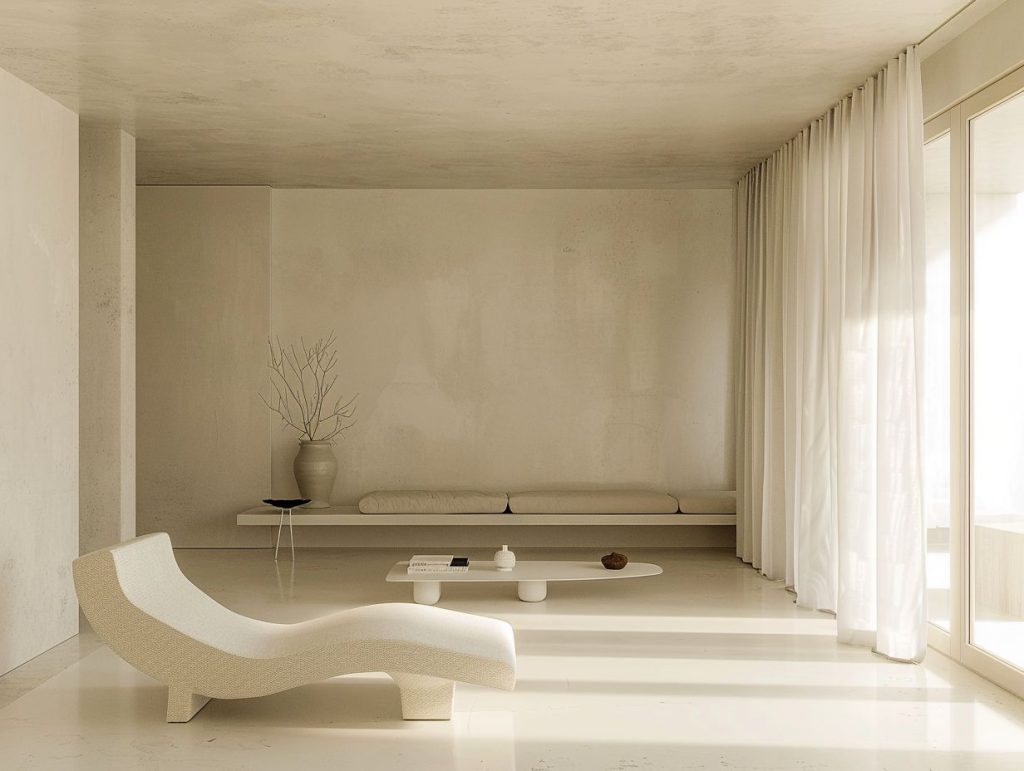
The allure of minimalism also captures the essence of style without sacrificing functionality. Neutral color palettes, clean lines, and light-filled spaces create an open atmosphere while promoting relaxation. Each piece in a minimalist home serves a purpose, whether aesthetic or practical. The integration of natural materials, such as wood or stone, can bring warmth into a space, balancing the clean-edged simplicity of minimalist design with a touch of comfort.
Benefits of Adopting Minimalism
The benefits of adopting minimalism extend beyond visual appeal; they permeate various aspects of daily life. Homeowners often report increased productivity, lower stress levels, and improved mental health conditions. With fewer distractions around, people can focus more on relationships, hobbies, and self-care. Minimalism encourages a mindset shift—the value of experiences over possessions, leading individuals to appreciate the simple joys of everyday living.
Growing Interest in Sustainable Living
Another emerging aspect of minimalism is the connection to sustainability. As consumers are becoming more conscious of their ecological footprint, opting for quality over quantity aligns with responsible consumption. Purchasing fewer but higher-quality items means reduced waste and a positive impact on the environment, inviting a minimalistic philosophy into broader lifestyle practices. By understanding these concepts and implementing strategies to manage space effectively, individuals can transform their homes into spaces that not only look great but also enhance their quality of life.
The Psychological Benefits of Minimalism
While the aesthetic appeal of minimalism is often highlighted, the psychological benefits of adopting a minimalist lifestyle can be equally transformative. Research indicates that our environment profoundly influences our mental state, and a cluttered space can contribute to feelings of stress and overwhelm. By embracing minimalism, you can cultivate a home that promotes both mental clarity and emotional well-being.
Studies have shown that individuals who live in decluttered spaces report heightened levels of focus and creativity. When your surroundings are orderly and intentional, your mind can concentrate on what truly matters. For example, a well-organized home office devoid of extraneous items can foster productivity, allowing you to channel your energy effectively into work-related tasks. In this context, space management becomes not just a practical exercise, but a pathway to improved mental performance.
The Connection Between Minimalism and Mindfulness
Minimalism aligns deeply with mindfulness, a practice rooted in being present and fully engaged in the moment. When you streamline your possessions, you begin to cultivate a mindset that values quality over quantity. This shift encourages mindful consumption — when you choose to buy something, you do so with intention. You may find yourself purchasing fewer items, but those that you do acquire are more meaningful and aligned with your personal values.
- Engage Fully: By simplifying your environment, you can engage more fully with experiences. Imagine spending a weekend without the distractions of excess belongings. You might feel compelled to explore local nature trails or dedicate time to hobbies you enjoy.
- Improved Relationships: Minimalism also has the potential to enhance your relationships. As you create a home that reflects your lifestyle, you foster spaces where family and friends can gather, focusing on shared experiences rather than the material possessions around you.
Furthermore, the practice of minimalism encourages individuals to evaluate their commitments, not just their belongings. Are there social obligations or activities that no longer fulfill you? As you declutter your physical space, let this process extend to your calendar and responsibilities as well. By doing so, you can allocate more time for self-care, relationships, and pursuits that genuinely enrich your life.
The Role of Ownership in Minimalism
Ownership and attachment to objects can be a significant obstacle when pursuing minimalism. In America, consumerism is part of everyday life; advertisements constantly advocate for the latest gadgets and trends. Understanding the psychological implications of ownership can help in navigating this challenge. You might find liberating value in recognizing that your worth is not tied to material possessions.
This realization can lead to profound transformations in your outlook on life and prioritization. For instance, by letting go of items that do not serve you, you create room for self-discovery and even adventure. This can lead you to engage in exploration beyond your immediate environment.
Ultimately, the transition to a minimalist lifestyle can be a powerful journey of self-reflection and discovery. As you embrace space management in your home, reflect on how your relationship with your possessions can evolve, paving the way for a more intentional, fulfilling life.
Conclusion: Embracing Minimalism for a Transformed Home
In conclusion, minimalism in practice offers not only a refreshed aesthetic for your living space but also profound shifts in your mental landscape. By actively managing space and prioritizing only those things that genuinely matter, you allow your home to become a sanctuary of peace and intentionality. As we’ve explored, the process of decluttering can reduce stress, enhance focus, and even improve your relationships by creating environments conducive to togetherness and shared experiences.
The intertwining of minimalism and mindfulness encourages a deeper connection to both our surroundings and our own values. As we reassess our lives and surroundings, making careful decisions about our possessions, we foster a lifestyle marked by thoughtful consumption rather than relentless consumerism. This holistic approach not only amplifies our daily experiences but also grants us the freedom to discover and engage with life more fully.
Ultimately, the journey towards minimalism is about more than just the items we keep or discard; it is about reclaiming our time, energy, and genuine interests. By building a home grounded in intentional space management, you pave the way for a life filled with enriching relationships and personal fulfillment. Prepare to embark on this transformative journey, for every step toward simplicity invites clarity and joy into your home and heart.
Related posts:
The Importance of Space Management in Creating Organized and Functional Environments
The Art of Letting Go: How Space Management Fosters Emotional Minimalism
The Relationship Between Space Management and Mental Health in Minimalist Lifestyles
Space Management Strategies to Create Comfort Zones in Minimalist Environments
Optimizing Small Spaces: Space Management Tips for a Minimalist Lifestyle
The Art of Organizing Small Spaces: Minimalist Tips to Maximize Functionality

Linda Carter is a writer and organization expert specializing in minimalism and personal organization. With extensive experience helping individuals create clutter-free, functional spaces and adopt mindful habits, Linda shares her knowledge on our platform. Her goal is to empower readers with practical advice and strategies to simplify their lives, stay organized, and achieve a sense of calm and balance in their daily routines.