The Art of Organizing Small Spaces: Minimalist Tips to Maximize Functionality
Transform Your Small Spaces with Minimalism
In today’s fast-paced world, maximizing functionality in small spaces has become a necessity for many. Whether you live in a cozy apartment or a small home, effective organization can significantly enhance your quality of life. With the right minimalist tips, you can create a harmonious and efficient environment that feels both spacious and inviting.
Adopting a minimalist approach not only cultivates a sense of calm but also simplifies your daily routines. By reducing excess, you streamline your environment, which can lead to improved focus and productivity. This is particularly relevant in urban settings where space is at a premium. For instance, New York City apartments often come with tight square footage, yet residents employ minimalist principles to create functional residences that reflect personal style without overwhelming the senses.
Why consider minimalism? The benefits include:
- Reduced Clutter: A tidy space promotes mental clarity and reduces stress. According to a study from UCLA, a cluttered environment can lead to higher levels of cortisol, the stress hormone. Thus, maintaining minimalism aids in alleviating stress levels.
- Enhanced Aesthetics: Less is often more when it comes to interior design. A few carefully chosen pieces can transform a bland area into a harmonious space that showcases your personality without visual clutter.
- Increased Functionality: Organized spaces allow for better use of what you have. For example, utilizing a fold-out desk in a small room can provide workspace only when needed, maximizing the rest of the space for relaxation or entertainment.
Exploring innovative ways to store and utilize your belongings is key to mastering the art of small-space organization. Think beyond traditional storage solutions and embrace creativity in:
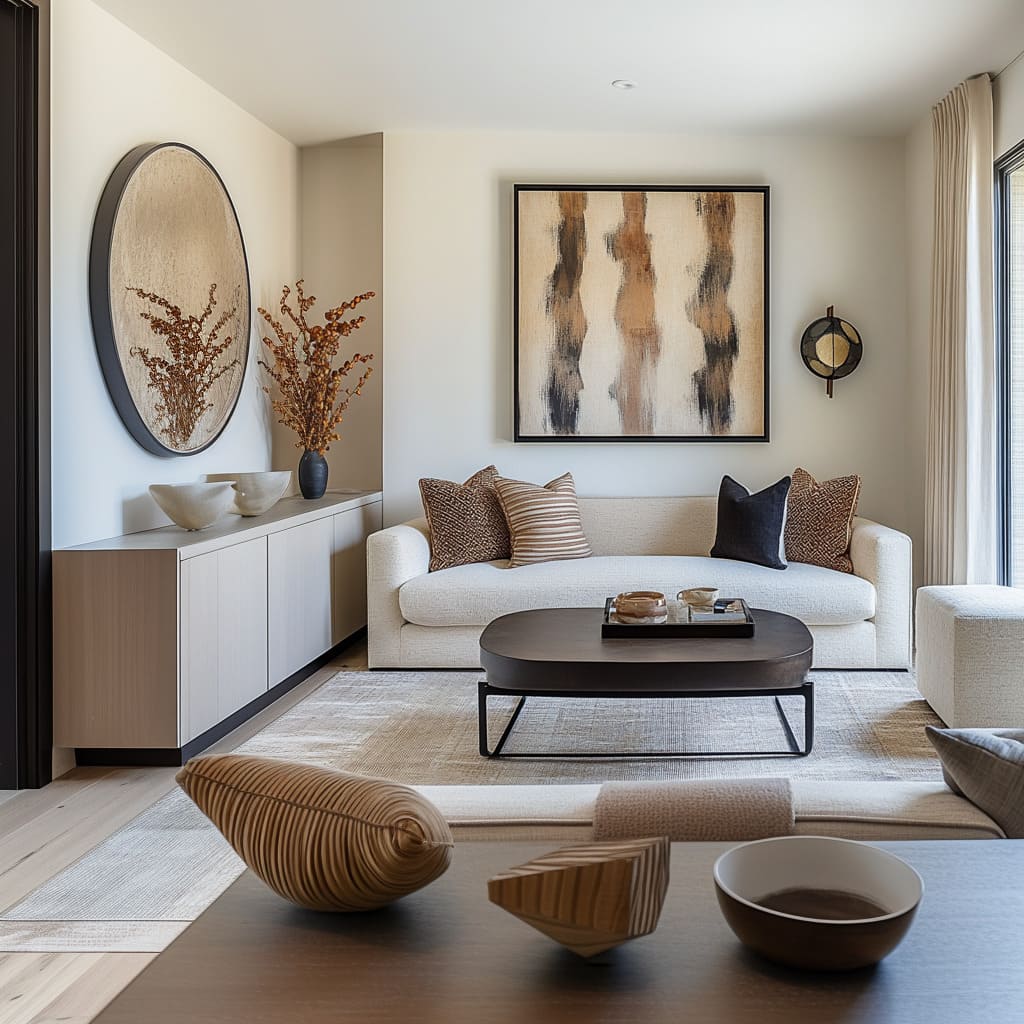
- Multi-functional Furniture: Pieces that serve dual purposes can save space. Consider a sofa bed for guests or an ottoman that doubles as a storage box. These versatile items not only conserve space but also enhance functionality.
- Vertical Storage: Utilizing wall space opens up floor areas. Shelves, hooks, and pegboards can transform walls into practical storage solutions. For instance, in small kitchens, wall-mounted spice racks help keep countertops clear.
- Decluttering Techniques: Regularly reassessing your belongings keeps surfaces clean. The “one in, one out” rule can be a helpful mantra. When you bring in a new item, consider donating or discarding an old one to maintain balance.
As we delve deeper into this topic, you’ll uncover practical strategies and thoughtful approaches that can transform even the tiniest of spaces into functional masterpieces. Techniques such as the KonMari method, which emphasizes keeping only items that “spark joy,” can serve as a guiding principle in your decluttering efforts. You may find it rewarding to document your journey on social media, sharing before-and-after shots of your minimalist transformations.
Join us on this inspiring journey to a minimalist lifestyle, where every item serves a purpose and every space breathes. The art of minimalism is not just about downsizing but also about reimagining your environment to reflect your true self, leading to a more enriching life experience.
Maximizing Small Spaces with Smart Solutions
Transforming small spaces into highly functional areas requires a delicate balance of creativity and practicality. To navigate the challenges posed by limited square footage, it is crucial to embrace the concept of smart storage. The distinction between mere organization and thoughtful arrangement lies in your approach to each item and its purpose within your space. By investing time in strategically curated solutions, you can bring order and efficiency to your compact environment.
One effective method for addressing spatial constraints is implementing zoning techniques. Defining specific areas for each activity can dramatically enhance the layout of a small space. For instance, in a studio apartment, consider creating distinct zones for sleeping, working, and relaxing. You could use a bookshelf or a decorative screen to delineate the sleeping area from the living space, providing privacy without the need for a full wall. This organized layout not only maximizes your area but also promotes functionality by ensuring each zone serves its purpose without overlaps.
Transformative Storage Solutions
Effective storage solutions are integral to maximizing space functionality. Here are some innovative ideas you can implement in your small space:
- Under-bed Storage: Utilize the often-overlooked space beneath your bed. Add drawers or bins that can store off-season clothing, shoes, or other essentials, keeping them easily accessible yet out of sight.
- Over-the-door Racks: Don’t neglect doors as viable storage spaces. Over-the-door racks can hold items ranging from shoes to cleaning supplies, turning them into valuable space-savers.
- Multifunctional Desks: Opt for a desk that can fold up when not in use or one that incorporates built-in storage for office supplies. This versatility allows you to maintain an organized workspace while freeing up valuable floor space.
- Wall-mounted Organizers: Consider using wall-mounted shelves or organizers in areas like the kitchen or bathroom. These not only store items efficiently but also free up counter and floor space for a more open atmosphere.
To further streamline your environment, consider the concept of minimalist decor. In small spaces, clutter can easily overwhelm the visual aspects of your home, making it feel cramped and chaotic. Aim to select a few key decorative pieces that resonate with you and complement your overall design theme. These intentional choices contribute to a more serene atmosphere while still allowing your personality to shine through.
As you embark on your journey toward a well-organized small space, remember that each item in your home should bring value to your life. This ethos is central to minimalism and will guide you in making thoughtful decisions about what to keep. By focusing on quality rather than quantity, you will cultivate an environment that not only maximizes functionality but also inspires calm and clarity.
The Art of Organizing Small Spaces: Minimalist Tips to Maximize Functionality
Transforming a cramped area into a functional sanctuary requires innovative solutions and a keen eye for design. Embracing minimalism, the philosophy of less is more, allows one to prioritize essential items while eliminating clutter. Here, we explore actionable tips to optimize your space and maximize your living experience.
Firstly, consider the dual-purpose furniture. Invest in items such as ottomans with hidden storage or coffee tables that expand into dining surfaces. These versatile pieces not only save space but also offer practicality without compromising on style. When selecting furniture, think vertically. Tall bookshelves or wall-mounted shelves can dramatically enhance storage capacity while keeping valuable floor space clear.
Moreover, utilize the power of light to create an illusion of space. Well-placed mirrors can reflect light and make a small area appear larger. Natural light should be prioritized, so use sheer curtains or no curtains at all to blur the boundaries between indoors and outdoors.
Furthermore, tidy organization can be achieved through smart use of containers. Clear bins or stylish boxes help categorize items while maintaining visibility, ensuring you can easily access what you need without digging through piles.
Incorporate decorative elements wisely. Minimalist decor does not mean bare walls; instead, select a few impactful art pieces or plants that draw attention without overwhelming the space. These accents can provide character and warmth to your surroundings.
Lastly, stay committed to the process of decluttering. Regularly assess your belongings and ask yourself what truly adds value to your life. This not only enhances your immediate environment but also cultivates a mindset focused on simplicity and clarity.
| Category 1 | Category 2 |
|---|---|
| Dual-Purpose Furniture | Maximizes utility, combining function with style. |
| Lighting Techniques | Creates an illusion of space and openness. |
Each of these minimalist tips demonstrates how simple adjustments can lead to significant improvements in your living space. As you implement these strategies, you will not only enjoy a more functional environment but also foster a sense of tranquility and balance that comes from organized living.
Embracing Minimalism for Lasting Impact
Minimalism is not merely a design aesthetic; it is a lifestyle philosophy that can dramatically enhance the functionality of small spaces. By consciously reducing clutter and simplifying your belongings, you can foster an environment that is both serene and practical. This approach encourages you to critically evaluate your possessions, leading to a more intentional choice of decor and furnishings that serve meaningful purposes.
One powerful principle of minimalism is the one-in-one-out rule. This guideline states that for every new item you bring into your space, one existing item should be removed. This habit not only prevents unwanted accumulation but also encourages a discerning eye in terms of future purchases. By prioritizing quality over quantity, you can curate a collection of items that you genuinely love and use, thus enhancing both the aesthetic and functional aspects of your space.
Creative Solutions for Everyday Challenges
Besides employing minimalism, becoming innovative with your storage and organization can yield impressive results. Here are additional strategies tailored to small living environments:
- Floating Furniture: In modern design, floating furniture is becoming increasingly popular. Tables, desks, and even benches that do not touch the ground create an illusion of more floor space, making the area feel larger.
- Vertical Gardens: For those with a love for greenery, vertical gardens are an excellent choice. They not only purify the air but serve as decorative and functional elements, enhancing your atmosphere with life without consuming floor space.
- Hidden Storage Solutions: Invest in furniture that incorporates hidden storage, such as ottomans with storage capabilities or coffee tables that open up. These items provide dual functionality while ensuring that everything you need can be stored away conveniently.
- Integrated Lighting: Ample lighting can transform a small area, making it feel more open. Consider using track or recessed lighting to eliminate bulky lamps. Not only does this create a fresh look, but it also frees up surfaces for organization.
When it comes to clothing storage, think beyond traditional dressers. Incorporating hanging organizers in your closet can maximize vertical space while keeping your attire accessible. Use uniform hangers and categorize clothes by type or color for a streamlined visual appeal. Additionally, donating clothes that you haven’t worn in the last year can free up valuable space, making way for items you truly love.
Another crucial aspect of organizing small spaces is focusing on multifunctional areas. If you live in a studio or a small apartment, consider how each area could serve dual purposes. For example, a kitchen island can also function as a dining table or workstation, enabling seamless transitions between activities while keeping the space organized. This mindset can help promote a sense of balance amid the constraints of your living space.
In implementing these minimalist tips for maximizing functionality, you may discover more than just an organized space; you may experience an invigorating refresh in your lifestyle that resonates beyond the physical realm. The true art of organizing small spaces lies in creating a habitat that embodies your unique style while promoting efficiency and comfort.
Finding Balance in Small Spaces
The journey toward mastering the art of organizing small spaces begins with a commitment to minimalism and an understanding of how to maximize functionality. By embracing a minimalist mindset, you can transform your living environment into a haven of peace and efficiency. This approach allows you to consciously curate your belongings, ensuring that each item adds value and purpose to your life.
As you incorporate strategies such as the one-in-one-out rule, hidden storage solutions, and multifunctional areas, you pave the way for innovative and practical living. These techniques not only make your space feel larger and more organized but also resonate on a deeper level, influencing your lifestyle and well-being. The idea is to create a space that reflects your personal style while providing an atmosphere of calm and productivity.
Moreover, the importance of adaptability cannot be overstated. The needs of your space may evolve as your life changes, and being open to reassessing your organization methods ensures lasting functionality. Whether it’s experimenting with vertical gardens or integrating floating furniture, fostering creativity in your space organization can yield surprising results.
In conclusion, the art of organizing small spaces is less about sacrificing style and more about embracing intentionality. By implementing minimalist principles and exploring creative solutions, you can create a living environment that enhances your quality of life. As you embark on this journey, remember that every decision contributes to a space that not only serves your needs but also inspires your creativity and joy.
Related posts:
Space Management as a Tool to Foster Creativity in Minimalist Environments
Creating Multifunctional Spaces: Space Management as a Solution for Small Environments
The Role of Space Management in Sustainability and Conscious Consumption
Optimizing Small Spaces: Space Management Tips for a Minimalist Lifestyle
Space Management Strategies to Create Comfort Zones in Minimalist Environments
Establishing Priorities: The Impact of Space Management on Personal Organization and Minimalism

Linda Carter is a writer and organization expert specializing in minimalism and personal organization. With extensive experience helping individuals create clutter-free, functional spaces and adopt mindful habits, Linda shares her knowledge on our platform. Her goal is to empower readers with practical advice and strategies to simplify their lives, stay organized, and achieve a sense of calm and balance in their daily routines.