The Influence of Stress on Facial Skin: How to Combat Breakouts and Dullness
The Hidden Impact of Stress on Your Skin
In today’s fast-paced world, stress can often feel like a constant companion. The pressures of work, family obligations, and social commitments can create an overwhelming sense of urgency that seeps into every facet of our lives—not least of all, our skin health. Stress doesn’t just impact your mental state; it has profound physiological effects that can lead to a host of skin issues, transforming what should be healthy, glowing skin into a landscape of irritation and breakouts.
Understanding the Biological Connection
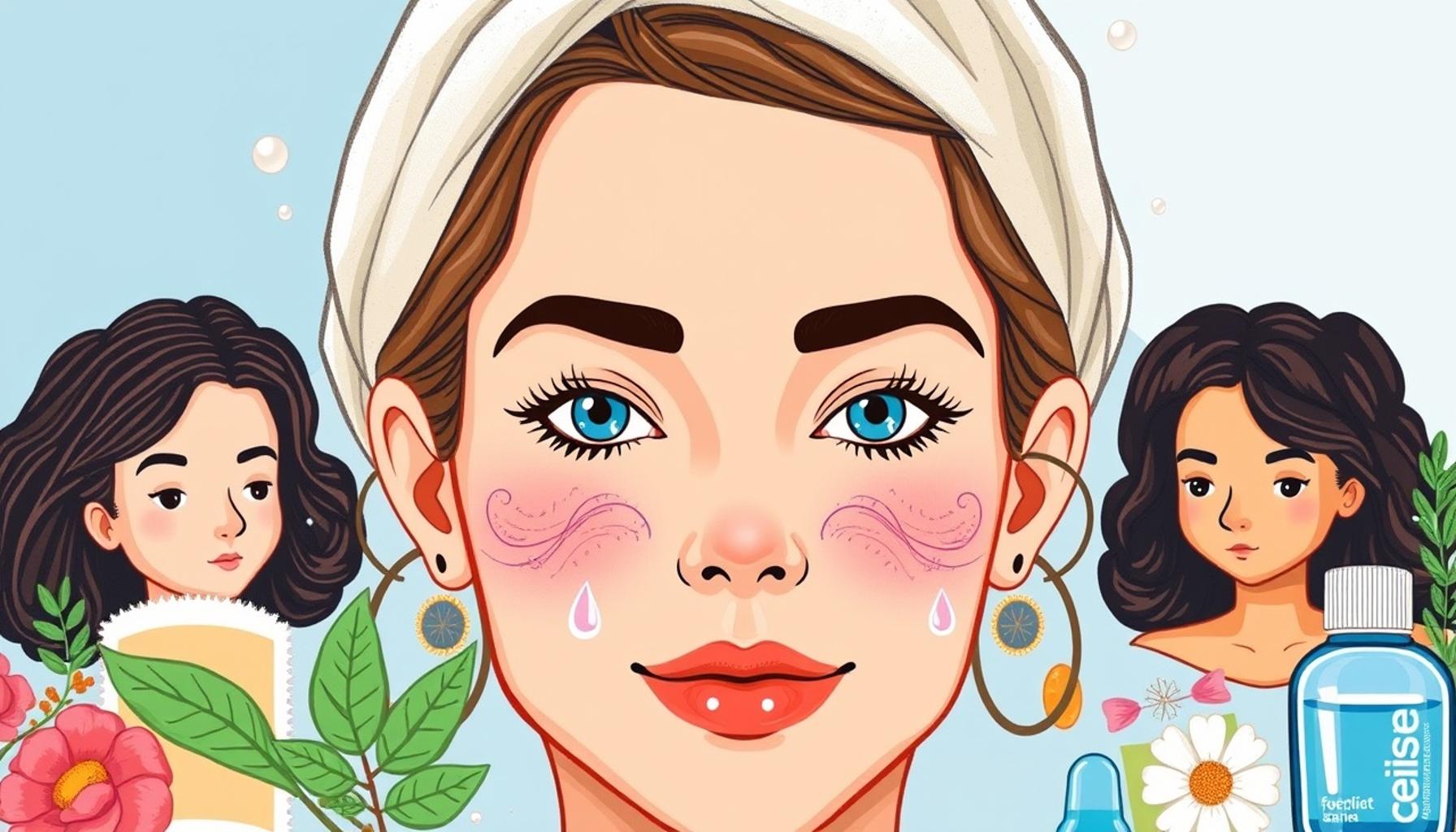
When we are under stress, our bodies respond by releasing hormones, particularly cortisol, known as the “stress hormone.” This hormonal surge may serve a purpose during a fight-or-flight situation, but chronically elevated cortisol levels can wreak havoc on your skin. For instance, inflammation is a significant consequence of long-term stress. This inflammation may present as redness, swelling, and irritation in the skin, resembling conditions like rosacea.
- Inflammation: The body’s inflammatory response can lead to an increase in sensitivity, hence, triggering flare-ups of existing skin conditions.
Effects on Acne and Complexion
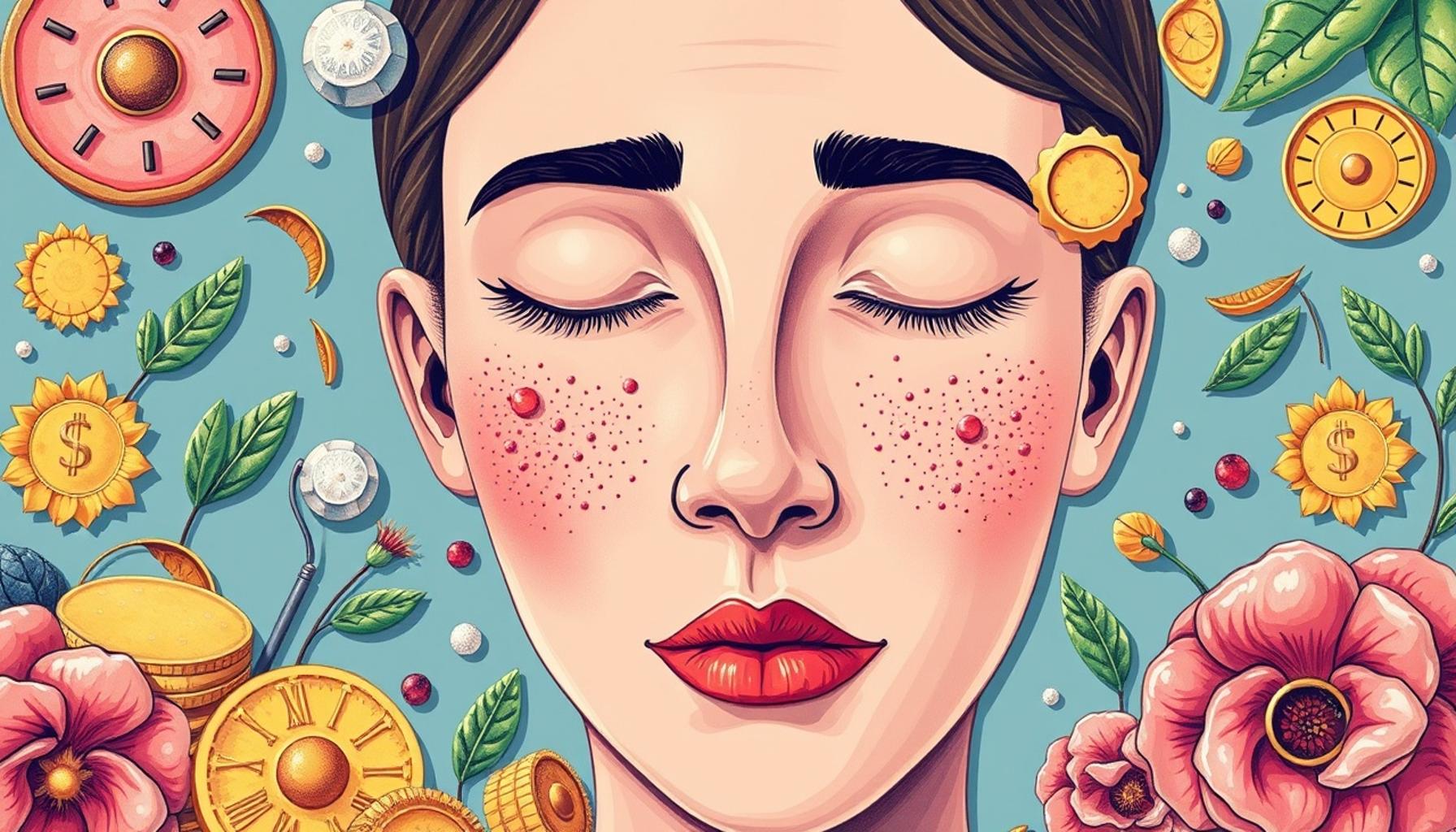
Moreover, the interplay between stress and hormonal fluctuations significantly affects acne development. Elevated cortisol can stimulate sebaceous glands to produce more oil, leading to clogged pores and, subsequently, acne. Many individuals, particularly teenagers and young adults, find that periods of intense stress correspond with worsening acne flare-ups.
- Hormonal fluctuations: The direct relationship between increased cortisol and sebum production can create a vicious cycle of breakouts.
The consequences of stress on your skin don’t stop at inflammation and acne. They extend into how well your skin receives nutrients and oxygen. Stress constricts blood vessels, which results in reduced blood flow to the skin. This lack of adequate circulation can leave your complexion looking dull and lifeless. Instead of radiating vitality, you may notice a lack of natural glow.
- Reduced blood flow: This effect can result in a tired, pallid appearance, making the skin look older than it is.
Broader Implications on Skin Health
The repercussions of stress manifest diversely, including:
- Increased oil production: Stress can trigger excessive sebum production, promoting conditions where acne can flourish.
- Unhealthy skin habits: Often, stress leads to neglect of skincare rituals, as individuals may prioritize other concerns over their self-care routines. This might mean skipping moisturizer or neglecting to cleanse properly, which compounds existing skin issues.
- Exacerbation of existing skin conditions: Chronic stress can worsen lifelong conditions like eczema or psoriasis. It’s not uncommon for individuals with pre-existing skin ailments to notice a marked increase in discomfort and visibility during stressful periods.
Revitalizing Your Skin Amidst Stress
Understanding the profound ties between stress and skin health unlocks the door to effective management strategies. Implementing a consistent skincare routine that includes stress-reducing practices—like mindfulness meditation, exercise, adequate sleep, and proper hydration—can significantly contribute to maintaining a healthy complexion, even in tumultuous times. It is essential to prioritize not only your mental health but also the glow of your skin, as they are intricately linked.
In conclusion, embracing holistic approaches to reduce stress can substantially improve both your mental clarity and the vitality of your skin. Armed with this knowledge, individuals can take proactive steps towards reclaiming their radiant complexion, proving that a well-managed lifestyle can lead to a thriving outer appearance.
DISCOVER MORE: Click here to enhance your skincare routine
The Psychological and Physiological Connection
As the mind and body continually interact, the impact of stress on the skin becomes increasingly evident. When faced with stressors, the body’s fight-or-flight response kicks in, flooding the system with adrenaline and cortisol. While these physiological reactions can be beneficial in short bursts, chronic exposure to stress hormones can lead to a cascade of unwanted changes in the skin.
The Role of Inflammation in Skin Reactions
One of the most concerning effects of prolonged stress is the elevation of inflammatory markers. Stress can trigger the immune system to release substances that cause inflammation, resulting in various skin issues. Conditions like acne, eczema, and even psoriasis can worsen under these circumstances. Notably, studies have shown that individuals experiencing high levels of stress often report heightened levels of skin irritability, including rashes and unexpected breakouts.
- Skin sensitivity: Inflammation can compromise the skin barrier, leading to an increase in sensitivity and vulnerability to external irritants.
- Acne flare-ups: For many, the direct correlation between anxiety and the onset of acne is undeniable. Stress isn’t just a trigger; it intensifies an existing problem, leading to persistent breakouts.
Stress and Sebum Production
One of the surprising effects of stress on facial skin is its influence on sebum production. Stress triggers the overproduction of oil from sebaceous glands, resulting in a greasier complexion and clogged pores. This excess oil can create a breeding ground for acne-causing bacteria, creating a vicious cycle that can be difficult to break.
- Clogged pores: With the combination of increased oil and stress-induced inflammation, pores become clogged, potentially leading to whiteheads, blackheads, and pus-filled cysts.
- Consistency matters: Regular cleansing and toner application can help manage oil levels, but during high-stress times, individuals may overlook or inadequately perform these essential skincare practices.
The Dull Complexion Dilemma
The effects of stress extend beyond irritation and breakouts; they also manifest through dullness in the skin’s appearance. As stress constricts blood vessels, it hampers the delivery of essential nutrients and oxygen to the skin. This decreased blood flow can leave the complexion looking tired, tired, and lifeless. Data indicates that many individuals report feeling as if their skin has aged rapidly during periods of high stress.
- Radiance diminished: A lackluster complexion signals not just physical fatigue but emotional turmoil as well, further affecting self-esteem.
- Skin regeneration: Stress can also impede the skin’s natural regeneration processes, delaying healing and maintaining the vibrancy of a youthful appearance.
Recognizing the multifaceted influence of stress on skin health is the first step towards combating its adverse effects. By understanding the biological connections and implementing targeted skincare practices, individuals can proactively address issues related to stress-induced breakouts and dullness. This knowledge serves as a foundation for cultivating a more resilient and radiant complexion, affirming the importance of integrating wellness into daily routines.
The Impact of Stress Hormones on Skin Health
Stress can trigger a cascade of hormonal changes in the body, primarily increasing levels of cortisol. This hormone, often referred to as the “stress hormone,” has a direct influence on various skin conditions. When cortisol levels rise, the skin’s oil production can spike, leading to clogged pores and, subsequently, breakouts. Furthermore, elevated cortisol levels can also impair the skin’s barrier function, causing it to become more vulnerable to environmental aggressors.In addition to hormonal fluctuations, stress can also induce inflammation in the body, exacerbating skin conditions such as acne and eczema. Studies show that high stress levels correlate with increased occurrences of inflammatory skin diseases. Therefore, managing stress not only helps in reducing the frequency of breakouts but also promotes an overall healthier complexion.
Effective Stress Management Techniques
There are various methods one can adopt to combat stress, which in turn can help restore the health of facial skin. Incorporating practices such as yoga and meditation can be incredibly beneficial. These techniques are known to lower cortisol levels, leading to improved skin clarity and resilience. Regular exercise is another effective strategy; physical activity boosts endorphins, which counteract stress. Additionally, establishing a consistent sleep routine and prioritizing hydration can aid in mitigating stress effects on the skin. Ensuring that one’s skincare regimen includes anti-inflammatory ingredients like niacinamide and antioxidants can also be advantageous in maintaining skin health during particularly stressful times.
| Stress Management Method | Benefits for Skin Health |
|---|---|
| Yoga and Meditation | Lowers cortisol levels and reduces stress-induced inflammation. |
| Regular Exercise | Boosts endorphins, enhances mood and skin clarity. |
| Adequate Sleep | Supports skin repair and overall health, helping to combat dullness. |
| Hydration | Maintains skin elasticity and combats dryness linked to stress. |
Incorporating these practices into your daily routine can significantly improve not only your mood but also the appearance and health of your skin, fostering resilience against stress-induced issues.
DISCOVER MORE: Click here to adjust your skincare routine
Effective Strategies to Combat Stress-Induced Skin Issues
Arming yourself with knowledge about the influence of stress on facial skin is only half the battle. To truly safeguard your complexion, it’s essential to adopt a multifaceted approach that addresses both the external manifestations of stress and the internal triggers that contribute to skin deterioration. Here, we explore practical strategies and lifestyle changes that can significantly improve skin health during stressful times.
Mindfulness and Stress Reduction Techniques
Implementing mindfulness practices can dramatically reduce stress levels and, by extension, enhance skin quality. Techniques such as meditation, deep breathing exercises, and yoga are proven to lower cortisol levels, promoting relaxation. A study published in the Journal of Investigative Dermatology found that participants who practiced mindfulness reported fewer skin issues tied to stress.
- Meditation: Allocate just 10-15 minutes a day to sit quietly and focus on your breathing. This practice can serve as a reset button for both your mind and skin.
- Yoga: Consider incorporating yoga into your routine. Not only does it improve flexibility and strength, but it also promotes circulation, which can rejuvenate your complexion.
Balanced Nutrition for Radiant Skin
A well-rounded diet rich in vitamins and antioxidants can enhance your skin’s resilience against stress. Foods high in omega-3 fatty acids, such as salmon and walnuts, help to combat inflammation while fruits and vegetables provide essential nutrients for maintaining skin vitality. The role of hydration cannot be overstated either; drinking ample water helps flush toxins and keeps your skin hydrated, preventing the dullness often associated with stress.
- Antioxidant-rich foods: Incorporate berries, dark chocolate, and green leafy vegetables into your meals to counteract oxidative stress.
- Limiting sugar and processed foods: High sugar consumption can exacerbate inflammation and lead to breakouts, while a nutritious diet promotes a more even skin tone.
Tailored Skincare Regimen
During stressful periods, it becomes crucial to adapt your skincare routine to address the specific challenges posed by stress. Using products that contain calming ingredients such as aloe vera, chamomile, and green tea can soothe inflammation and reduce redness. Additionally, consider incorporating exfoliating products that promote cell turnover to enhance brightness.
- Gentle cleanser: Opt for a gentle, hydrating cleanser that won’t strip your skin of its natural oils, helping to reduce dryness and irritation caused by both stress and environmental factors.
- Moisturizers: Look for non-comedogenic moisturizers that lock in hydration while preventing clogged pores, especially important when sebum production is heightened.
Professional Treatments
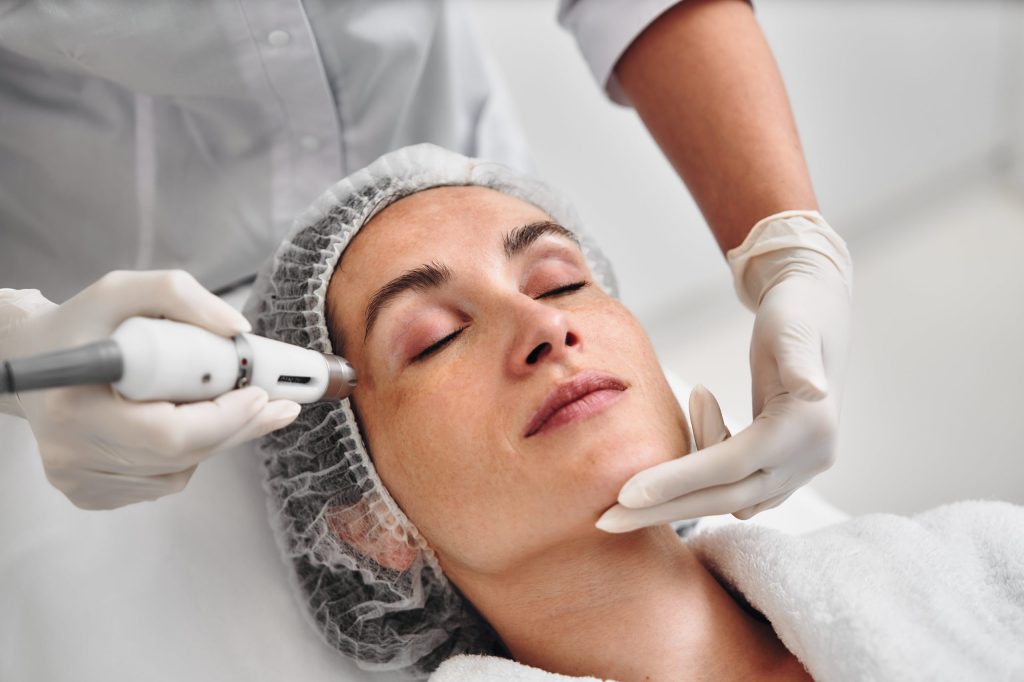
For those struggling with significant stress-induced skin conditions, consulting a dermatologist may be advantageous. Professional treatments such as chemical peels, microdermabrasion, or laser therapy can effectively address issues like acne, dull skin, and pigmentation. Incorporating these treatments into your skincare regimen ensures a targeted approach, especially in managing the aftereffects of stress.
- Chemical peels: These treatments remove dead skin cells and encourage the growth of newer skin, catering specifically to dullness and breakout-prone areas.
- Customized facials: Seek out services that target stress-related conditions, employing calming techniques and specialized formulations that promote relaxation and skin renewal.
Taking proactive steps to combat the effects of stress on facial skin can dramatically enhance both the appearance and overall health of your complexion. Establishing a balanced lifestyle that integrates stress management techniques, nutrition, and tailored skincare routines are fundamental to achieving skin resilience.
DIVE DEEPER: Click here to discover the benefits of facial masks
Conclusion
Understanding the profound influence of stress on facial skin is crucial for anyone experiencing breakouts and dullness in their complexion. Stress can trigger a cascade of physiological responses that negatively affect skin health, leading to inflammation, breakouts, and a lackluster appearance. However, the good news is that there are effective strategies to combat these challenges.
By implementing mindfulness techniques such as meditation and yoga, you can significantly lower stress levels, which in turn can lead to a more radiant complexion. Pairing these practices with a balanced diet rich in antioxidants—like berries, leafy greens, and healthy fats—can further fortify the skin against the ravages of stress. Moreover, establishing a tailored skincare regimen that includes soothing ingredients can help mitigate the external signs of stress.
For those facing more severe skin concerns, seeking professional treatments can provide a targeted approach to restore your skin’s health. Consulting a dermatologist allows for customized solutions that directly address your specific skin issues, ensuring you maintain a youthful and vibrant appearance.
Ultimately, nurturing your skin through proactive measures and holistic practices can turn the tide against stress-induced skin problems. By prioritizing both your mental and physical well-being, you can unlock the secret to a clearer, more luminous complexion that reflects your inner vitality.
Related posts:
Seasonal Facial Care: Adjusting Your Routine for Changing Weather Conditions
Exploring the Rise of At-Home Facial Treatments: DIY Techniques for Radiant Skin
The Impact of Diet on Facial Skin Health: Foods That Nourish and Protect
Cultural Influences on Facial Care Routines: A Look at Global Practices and Traditions
Facial Care for Different Ages: Tailoring Your Routine from Teens to Seniors
Natural vs. Chemical Facial Care: Debunking Myths and Understanding Your Options

Beatriz Johnson is a seasoned skincare specialist and writer with a passion for simplifying the complexities of beauty science and skincare routines. With over a decade of experience in the aesthetics industry, she specializes in topics like ingredient efficacy, anti-aging strategies, and global beauty trends. Through her work, Beatriz empowers readers to make informed skincare choices and stay ahead in the ever-evolving world of beauty and wellness.