
The Influence of Minimalist Aesthetics on the Choice of Furniture and Decor for Functional Spaces
The Rise of Minimalism in Modern Design
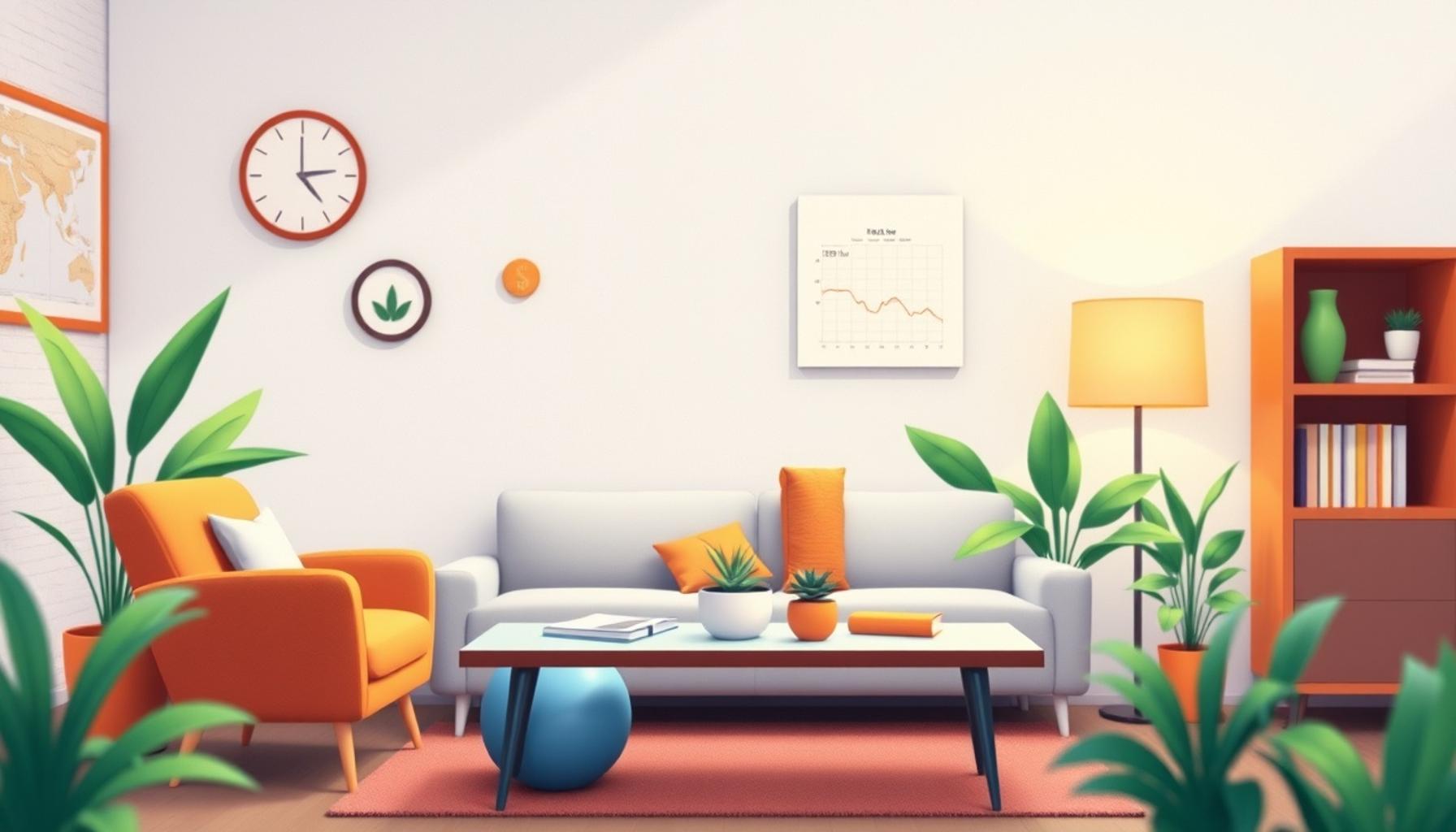
In an age where the fast pace of life and overwhelming clutter can impact mental well-being, many individuals are turning to minimalist aesthetics as a solution. This innovative design philosophy redefines our interaction with spaces, fostering environments that echo serenity and intention. By emphasizing simplicity and utility, minimalist design allows us to curate surroundings that not only prioritize function but also evoke feelings of peace and clarity.
At its core, minimalist design encourages the careful selection of every item within a space. This curated approach significantly influences choices surrounding furniture and decor, shaping interiors that are both aesthetically pleasing and practical. The impact is profound, as each piece is chosen for its functionality, beauty, and the sense of calm it contributes to the overall environment.
Key Characteristics of Minimalist Design
The essence of minimalist design can be distilled into several defining characteristics that guide the creation of these intentional spaces. Key elements include:
- Neutral color palettes—homes and offices increasingly feature shades of white, gray, and earthy tones, which foster a sense of openness and tranquility. This choice can significantly influence mood and perception of space.
- Functional furniture—think multi-purpose pieces like a sleek sofa bed or a coffee table with hidden storage. Such furnishings not only reduce clutter but also enhance usability, aligning perfectly with the minimalist ideal of efficiency.
- Clean lines—by avoiding ornate details and excessive embellishments, minimalist design creates a visual clarity that promotes relaxation and focus, vital in both home and work environments.
This aesthetic goes beyond mere visual appeal; it embodies a lifestyle that emphasizes mindfulness and intentionality. Adopting a minimalist approach encourages individuals to evaluate their belongings critically, ultimately prompting them to invest in high-quality items that serve specific functions. For instance, instead of a collection of decorative objects, one might choose a single, impactful statement piece that embodies both beauty and purpose.
The increasing popularity of minimalism among Americans highlights its relevance in today’s design conversations. As people actively seek to reduce chaos in their lives, understanding how minimalist aesthetics influence furniture, decor, and overall lifestyle can offer practical insights for everyone looking to optimize their spaces.
Ultimately, the journey into the world of minimalism opens doors to a more intentional and aesthetically pleasing lifestyle, inviting us to rethink what we truly value in our environments.
Understanding the Role of Functionality in Minimalist Spaces
The choice of furniture and decor in minimalist spaces revolves primarily around the principle of functionality. This focus pushes homeowners and designers alike to rethink how each element contributes to daily life, ensuring that every piece serves a clear purpose. In considering both aesthetics and practicality, a minimalist space becomes a harmonious blend of beauty and utility.
Functional furniture is often characterized by its ability to maximize space while simultaneously minimizing visual clutter. For example, furniture that can transform according to needs—such as a foldable dining table or a convertible sofa—has gained popularity. These designs allow for a more adaptable living environment, making them particularly suitable for urban dwellers who may face space constraints. According to a survey by the National Association of Home Builders, nearly 75% of new homebuyers express interest in flexible spaces that can adapt to various activities. This statistic underscores the ongoing demand for functional furniture that aligns with minimalist ideals.
In addition to furniture, decor also plays a critical role in enhancing functionality within a minimalist framework. The choice of decorative items is often limited to those that are visually striking yet serve a purpose. For instance, minimalist decor might include:
- Art pieces that provoke thought—A single artwork or sculpture can become a focal point of a room, inviting conversation and engagement without overwhelming the space.
- Plants that purify air—Incorporating greenery not only adds a natural element but also contributes positively to indoor air quality, further enhancing the sense of calm.
- Functional light fixtures—Simple and elegant lighting choices can beautify a room while accentuating its design elements, creating atmosphere without distraction.
Moreover, studies show that the physical arrangement and selection of furniture can significantly affect human behavior and well-being. A study published in the Journal of Environmental Psychology found that environments designed with intentional layouts and minimal clutter can improve concentration and decrease stress levels. This finding resonates strongly with the minimalist movement, leading many to invest in furniture that encourages thoughtful organization and accessibility.
As we further explore the influence of minimalist aesthetics on the choice of furniture and decor, it becomes clear that the philosophy does not merely advocate for a reduction in items but instead encourages a profound consideration of how each element serves the individual’s lifestyle. Embracing minimalism allows residents to cultivate spaces that inspire tranquility and focus, elevating both the aesthetic appeal and the functional integrity of their homes.
The Influence of Minimalist Aesthetics on the Choice of Furniture and Decor for Functional Spaces
In the quest for creating functional spaces, the infusion of minimalist aesthetics can have a profound impact on the selection of furniture and decor. This design philosophy champions simplicity, which can lead to not only visual clarity but also heightened functionality in everyday environments.
One of the most prominent aspects of this aesthetic is the emphasis on clean lines and neutral color palettes. These elements create a tranquil backdrop that allows for versatility in design, making it easier to adapt spaces according to personal preferences and lifestyle needs. For instance, choosing furniture with a minimalist design often involves opting for pieces that serve multiple purposes, a critical consideration in modern living situations where space is often at a premium.
Furthermore, the concept of less is more encourages a curated approach to decor. This leads to spaces that feel open and inviting, as opposed to cluttered and chaotic. By incorporating thoughtfully selected decorative items—such as geometric sculptures or abstract art—homeowners can express their unique tastes without overwhelming the senses. The deliberate choice of materials is also a fundamental component, where natural or sustainable options are favored, enriching the overall aesthetic while promoting eco-friendliness.
As we continue to explore this influential trend, it becomes increasingly clear that the minimalist aesthetic not only governs the visual appeal of furniture and decor but also shapes the functionality of our spaces. The integration of thoughtful design can lead to improved well-being and a more harmonious living environment, inviting individuals to reassess their relationship with their surroundings.
| Category 1 | Category 2 |
|---|---|
| Simplicity | Encourages clarity and focus in the design, reducing distractions. |
| Functionality | Promotes furniture that has dual purposes, optimizing limited space. |
This thoughtful infusion of minimalist aesthetics offers a roadmap for anyone seeking to transform their functional spaces into havens of peace and productivity. Stay tuned as we delve deeper into specific examples and emerging trends within this captivating design movement.
Creating Harmonious Environments Through Material Selection
Another critical aspect of minimalist aesthetics lies in the materials used for furniture and decor. The minimalist philosophy encourages the selection of quality over quantity, where enduring materials are favored over transient trends. This approach often highlights natural elements such as wood, stone, glass, and metal, each of which contributes not only to the visual appeal but also the longevity of the furnishings.
For instance, furniture made from sustainable woods like bamboo or reclaimed timber offers warmth and character while adhering to eco-friendly principles. According to the American Forest & Paper Association, sustainable forestry practices have gained traction, showing that consumers are increasingly conscious of the environmental impact of their choices. This eco-conscious movement aligns perfectly with minimalist values, emphasizing ethical sourcing alongside aesthetic beauty.
Moreover, the textures of these materials play a pivotal role in enhancing a space’s overall atmosphere. A smooth marble tabletop contrasts beautifully with soft linen upholstery, evoking a sense of balance and tranquility. Research from the Journal of Interior Design indicates that interactions with varied textures can enhance sensory experiences, allowing individuals to feel more at ease and connected to their environment.
Color Palettes That Promote Serenity
The influence of minimalism is also evident in the color palettes chosen for furniture and decor. Minimalist design typically favors neutral and muted tones such as whites, grays, and beiges, which create an expansive feel in smaller areas. These colors serve as the perfect backdrop for decorative objects, allowing them to stand out without contributing to visual overwhelm.
According to a study published in the Color Research and Application journal, softer color schemes can have psychological benefits, fostering feelings of calm and focus. Homeowners interested in achieving a minimalist aesthetic often gravitate towards these soothing hues, providing a welcome retreat from the chaos of life outside their walls.
- Accent colors—While the primary palette may be muted, the minimalist approach does not shy away from using accent colors for a pop of vibrancy. Strategically placed cushions or a single painted wall can inject personality into a space without cluttering the visual environment.
- Layering textures—Combining various textures within the minimalist palette introduces depth and interest, demonstrating that minimalism is not merely about a lack of items but can encompass sophisticated design principles.
Function Meets Artistry: The Rise of Multi-Functional Decor
As functional spaces become a focal point of modern living, the rise of multi-functional decor exemplifies how minimalist aesthetics translate into practical solutions. Items such as bespoke shelving units, which not only provide storage but also serve as art displays, highlight the seamless integration of function and design.
The popularity of minimalist furniture that combines multiple purposes—such as ottomans with hidden storage or wall-mounted desks that fold away when not in use—reflects a growing desire for efficient, space-saving solutions. A survey by HomeAdvisor reveals that 68% of homeowners seek furniture that enhances functionality without compromising style, reinforcing the idea that minimalism appeals to both practical and aesthetic sensibilities.
In essence, minimalist aesthetics empower homeowners and designers to curate spaces that are not only visually appealing but also profoundly functional. With an emphasis on the significance of materials, colors, and multi-functional decor, the minimalist approach remains an influential force shaping the way we envision our living and working environments. This evolution of thought continues to inspire innovative design solutions that cater to the demand for simplicity in a complex world.
Conclusion: Embracing Minimalism for Balanced Living
Minimalist aesthetics have revolutionized the way we approach furniture and decor in functional spaces, advocating for simplicity without sacrificing style. By focusing on quality materials and thoughtfully chosen color palettes, minimalist design allows homeowners to create environments that evoke peace and functionality. The emphasis on sustainable and enduring materials, such as bamboo and reclaimed wood, reflects a growing awareness of our environmental impact, marrying ethical considerations with aesthetic choices.
Additionally, the integration of multi-functional decor illustrates a shift towards versatile living, where each piece serves a purpose while enhancing the overall design. This trend not only maximizes space but also promotes a lifestyle that values practicality and artistry in equal measure. As noted, surveys reveal that a significant percentage of homeowners prioritize furniture that remains functional without compromising on aesthetics, demonstrating the wide appeal of minimalist design.
Looking ahead, the influence of minimalism can serve as a guiding principle for creating harmonious living environments. By prioritizing tranquility, functionality, and a deeper connection to our surroundings, individuals can cultivate spaces that offer both refuge and inspiration. As the world becomes increasingly cluttered with distractions, adopting minimalist aesthetics not only enhances our physical environments but also fosters a mindful approach to our daily lives.
In summary, minimalist aesthetics present an enduring framework for curating spaces that resonate with calmness and practicality, inviting us to reflect on how we inhabit our environments and ultimately shaping our experience of everyday life.
Related posts:
How Clutter Reduction Can Facilitate the Transition to a Nomadic Life
Demystifying Minimalism: How Reducing Clutter Can Improve Your Relationships
The Journey of Decluttering: Inspiring Stories of Personal Transformation
The Psychological Benefits of Decluttering: How a Minimalist Approach Can Improve Mental Health
Digital Organization: Strategies to Reduce Clutter on Our Electronic Devices
How Minimalism Can Transform Your Workspace and Increase Productivity

Linda Carter is a writer and organization expert specializing in minimalism and personal organization. With extensive experience helping individuals create clutter-free, functional spaces and adopt mindful habits, Linda shares her knowledge on our platform. Her goal is to empower readers with practical advice and strategies to simplify their lives, stay organized, and achieve a sense of calm and balance in their daily routines.