The Role of Natural Antioxidants in Preventing Skin Aging
The Importance of Natural Antioxidants in Skincare
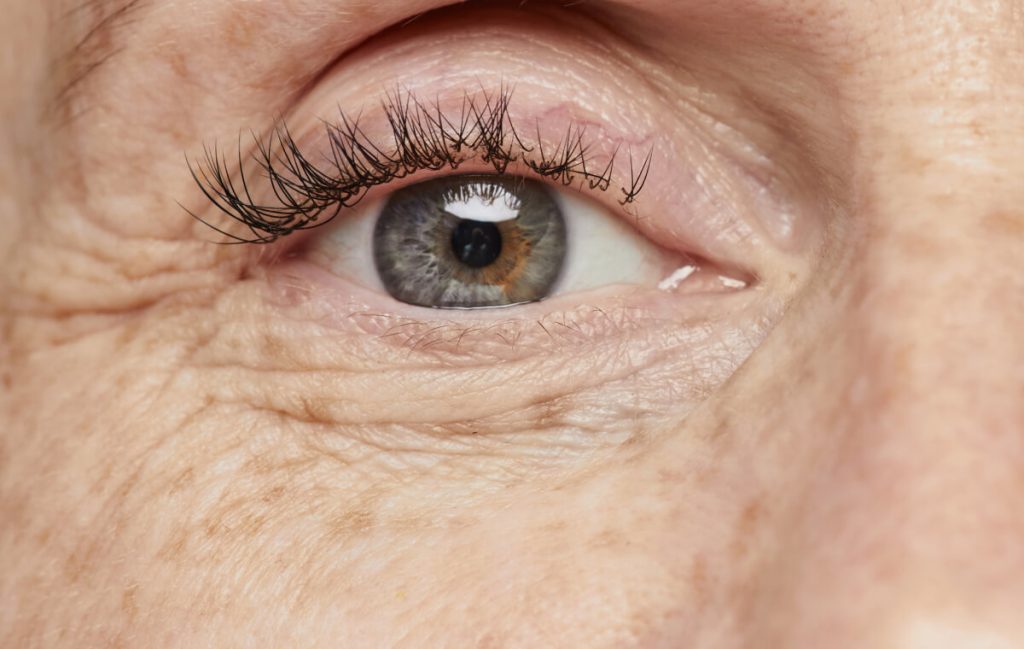
As we journey through life, our skin tells the story of our experiences, often reflecting age through fine lines, wrinkles, and diminished elasticity. While it’s easy to blame genetics for these signs of aging, environmental factors such as pollution, UV radiation, and poor lifestyle habits—including diet and stress—play a crucial role in how our skin ages. This is where the power of natural antioxidants comes into play, serving as a formidable defense against premature aging.
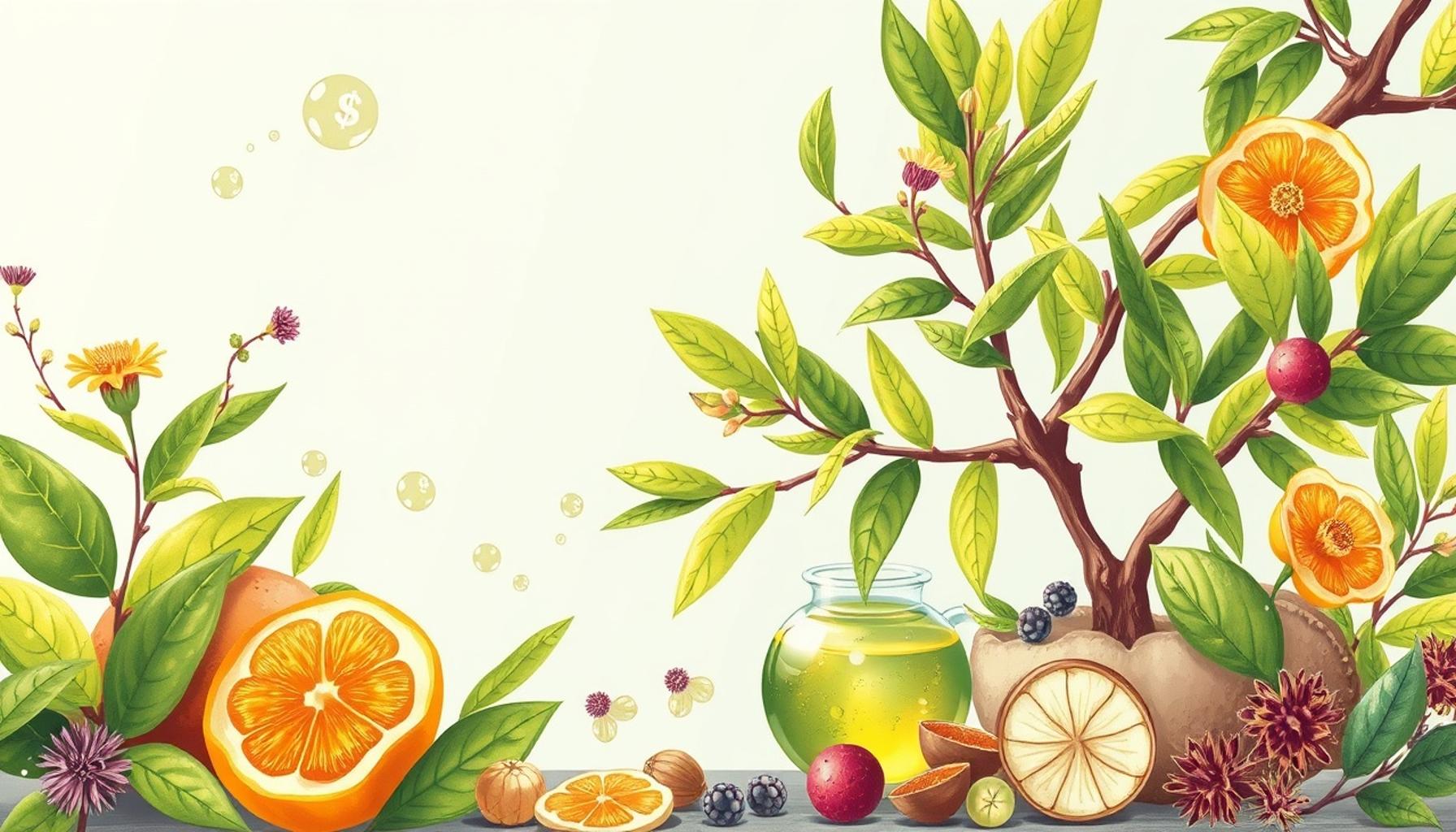
Antioxidants are organic molecules that combat oxidative stress in our bodies by neutralizing free radicals—unstable molecules that can damage skin cells and lead to accelerated aging. Integrating natural antioxidants into your skincare routine not only helps to rejuvenate the skin but also offers a wide array of benefits. Here are some key players:
- Vitamin C: Recognized as one of the most effective antioxidants, Vitamin C is renowned for its ability to brighten skin tone and enhance collagen synthesis, essential for maintaining skin’s firmness. Studies have shown that daily application of Vitamin C can significantly reduce the visibility of fine lines over time.
- Vitamin E: Often found in various creams and oils, this vitamin acts as a shield against harmful UV rays and environmental pollutants. It plays a vital role in moisture retention, which can lead to smoother, more supple skin. Products infused with Vitamin E can be especially beneficial in arid climates.
- Polyphenols: Derived from sources like green tea and red wine, polyphenols are celebrated for their anti-inflammatory properties. Research indicates that these compounds help to reduce redness and improve overall skin resilience, making them popular in serums and moisturizers.
- Coenzyme Q10: This lesser-known antioxidant is crucial for energy production in skin cells. It helps counteract the signs of aging by promoting cellular function and can help mitigate the damage caused by UV exposure.
As more individuals become aware of the potential harms of synthetic ingredients found in many commercial skincare products, there has been a significant shift toward embracing natural antioxidants. These nature-derived substances not only show effective results but also minimize the risk of adverse reactions, making them suitable for a wide range of skin types.
The landscape of skincare continues to evolve, encouraging consumers to become informed about what they apply to their skin. Engaging with natural antioxidants opens a world of possibilities for enhancing skin health and vitality. Whether through serums, dedicated antioxidant-rich moisturizers, or even dietary changes—such as incorporating more fruits and vegetables—there are numerous pathways to embrace the benefits of these powerful compounds.
In conclusion, as we seek to maintain a youthful appearance and promote skin health, it’s imperative to consider the science behind natural antioxidants. With a growing body of research underscoring their efficacy, making these ingredients a cornerstone of your skincare routine may very well lead you to discover a more vibrant and resilient complexion.
DISCOVER MORE: Click here to enhance your skincare routine
The Scientific Foundation of Natural Antioxidants
Understanding the role of natural antioxidants in skincare begins with grasping their fundamental function: protecting the skin from oxidative stress. This damage occurs when free radicals, generated by environmental stressors like pollution, UV radiation, and even the normal metabolic processes of cells, exceed the body’s ability to neutralize them. The skin, being the body’s largest organ, is particularly vulnerable to these attacks. As free radicals accumulate, they can initiate a breakdown of collagen and elastin, leading to the visible signs of aging.
What makes natural antioxidants so compelling is their ability to mitigate the effects of these harmful molecules. For instance, a study published in the Journal of Investigative Dermatology found that applying antioxidants can significantly reduce oxidative stress markers on the skin, leading to improved skin texture and vitality. This supports the idea that a consistent application of antioxidant-rich products can slow down the aging process and promote a healthier appearance.
Here are some well-researched sources of natural antioxidants that you might want to include in your skin health regimen:
- Green Tea: Rich in catechins, green tea extracts have been shown to protect against UV damage and improve skin elasticity. A study highlighted the *Journal of Health, Population and Nutrition* emphasizing green tea’s role in reducing sunburn and improving overall skin tone.
- Vitamin A: Commonly found in retinol and beta-carotene, Vitamin A is essential for skin repair and regeneration. It not only boosts collagen production but also promotes cell turnover, which is vital for youthful skin.
- Omega-3 Fatty Acids: Present in fatty fish like salmon and walnuts, omega-3s help retain moisture, enhance the skin barrier, and combat inflammation, thereby reducing the visible signs of aging.
- Curcumin: The active compound in turmeric, curcumin, is famed for its anti-inflammatory properties. Research indicates it can help diminish the visibility of age spots and improve skin brightness.
Adding these natural antioxidants to your skincare routine can be incredibly effective, yet their benefits extend beyond topical applications. Incorporating antioxidant-rich foods into your diet, such as berries, citrus fruits, leafy greens, and nuts, is equally important for protecting your skin from the inside out. This holistic approach not only nourishes your skin but also enhances overall health.
As we delve deeper into the mechanisms by which natural antioxidants combat skin aging, it becomes clear that they are not merely a trendy addition to skincare products but essential components of a well-rounded beauty regimen. Their protective capabilities continue to gain attention in the scientific community, reinforcing the importance of understanding these powerful agents in the battle against aging.
| Category | Details |
|---|---|
| Essential Nutrients | Vitamins C and E are prime natural antioxidants that protect skin cells from oxidative damage. |
| Protection Against UV Damage | Natural antioxidants help mitigate the harm caused by ultraviolet radiation, reducing the risk of photoaging. |
| Youthful Appearance | Collagen production can be enhanced by antioxidants, leading to improved skin elasticity and reduced wrinkles. |
| Skin Hydration | Certain antioxidants promote moisture retention, which is vital for maintaining skin’s hydration balance. |
| Anti-Inflammatory Properties | Natural antioxidants can help in reducing inflammation, leading to calmer and clearer skin. |
Incorporating natural antioxidants into your skincare regimen can have profound effects on skin aging prevention. The nutrients identified in the table above not only serve as protective agents against environmental factors but also aid in revitalizing the skin’s natural texture and appearance. By focusing on natural sources, individuals may find viable solutions for enhancing their skincare routine and promoting longevity in skin health. The exploration of these potent compounds offers exciting opportunities for researchers and beauty enthusiasts alike to delve deeper into the multifaceted benefits they present. From serums to dietary adjustments, the avenues available for leveraging the power of antioxidants are vast and invigorating.
DIVE DEEPER: Click here to learn more
The Mechanisms Behind Antioxidants and Skin Health
To fully appreciate the role of natural antioxidants in preventing skin aging, it is essential to delve into the intricate mechanisms by which these compounds operate. At the cellular level, natural antioxidants such as vitamins C and E help neutralize free radicals by donating electrons, effectively stabilizing these destructive molecules. This interaction prevents them from further damaging the skin’s cellular structures, including collagen and elastin fibers.
A study published in the American Journal of Clinical Dermatology highlighted how the combination of these vitamins enhances skin texture and elasticity by significantly reducing oxidative damage. For instance, vitamin C not only acts as a potent antioxidant but also plays a crucial role in collagen synthesis, a process vital for maintaining skin youthfulness and resilience.
Beyond vitamins, polyphenols found in fruits and vegetables exhibit remarkable skin benefits. These compounds, notably present in foods such as grapes and berries, possess anti-inflammatory properties that help soothe irritated skin while promoting an even skin tone. According to research released in the Journal of Nutritional Biochemistry, the polyphenols from red grapes were shown to improve skin hydration levels and reduce the appearance of fine lines, underlining the connection between diet and skin aging.
The Synergistic Effects of Antioxidants
Interestingly, the power of natural antioxidants is often amplified when used in combination. For example, a study from Dermatologic Surgery found that combining vitamin C with vitamin E produces a synergistic effect, offering even greater protection against UV-induced skin damage than either antioxidant used alone. This discovery emphasizes the importance of using a cocktail of antioxidants in skincare formulations to maximize their effectiveness in combating skin aging.
In addition to topical applications, lifestyle factors such as stress management and adequate sleep contribute to skin health and aging. Chronic stress can elevate cortisol levels, which in turn increases inflammation in the body, accelerating skin aging. Incorporating calming activities like yoga or meditation can help mitigate these effects and enhance the beneficial role of antioxidants in skin rejuvenation.
Challenges in Harnessing Antioxidants
Despite the benefits of natural antioxidants, several challenges exist in their effective application for skin health. Many antioxidants can be unstable when exposed to air, light, or high temperatures, potentially diminishing their efficacy in skincare products. Research featured in the International Journal of Cosmetic Science suggests that incorporating innovative delivery systems, such as liposomes or microencapsulation, can significantly enhance the stability and absorption of these potent ingredients, ensuring that users reap their full benefits.
Moreover, consumers must be vigilant in choosing products that not only claim to be antioxidant-rich but also contain adequate concentrations of these active ingredients. Regulatory bodies do not always ensure that commercial skincare products contain therapeutic levels of antioxidants, making it essential for individuals to research and select credible brands committed to transparency.
The conversation surrounding natural antioxidants in skincare continues to evolve, with ongoing research revealing new insights into their capabilities and mechanisms. By understanding both the science and the holistic approach to skin health, consumers can empower themselves to combat skin aging effectively, harnessing the potent benefits of nature’s arsenal.
DISCOVER MORE: Click here to learn how your diet affects your skin
Conclusion: Embracing Nature’s Shield Against Skin Aging
As we navigate the complexities of skincare, the significance of natural antioxidants in preventing skin aging becomes increasingly evident. These powerful compounds, found in various vitamins, fruits, and vegetables, play a critical role in safeguarding our skin’s health by neutralizing free radicals and supporting essential processes like collagen synthesis. By understanding the mechanisms behind antioxidants, consumers can make informed choices that benefit their skin’s vitality and appearance.
The synergistic effects of combining different antioxidants, such as vitamins C and E, have shown remarkable results in enhancing skin texture and elasticity. Furthermore, integrating lifestyle practices that promote stress management and overall wellness complements the effects of these antioxidants, creating a holistic approach to skin rejuvenation.
However, challenges remain in effectively harnessing the full potential of natural antioxidants due to stability and concentration issues in commercial products. Thus, it’s imperative for consumers to remain diligent in selecting high-quality skincare options that disclose transparent information about their formulations.
Ultimately, the journey toward youthful, resilient skin is not merely about topical applications; it involves a comprehensive understanding of how natural antioxidants interact with our bodies and lifestyles. As research continues to unfold, the message remains clear: embracing nature’s potent arsenal against skin aging grants us the opportunity to age gracefully and confidently.
Related posts:
How the Use of Seaweed Extracts Can Revitalize Skin and Protect Against Pollutants
The Effectiveness of Aloe Vera-Based Moisturizers: The Secret to Radiant Skin
Natural Ingredients that Transform Hair Health
The Benefits of Essential Oils in Skincare Routine
How Mineral Clay Can Improve Skin Health and Combat Imperfections
The Power of the Antiseptic Properties of Tea Tree Oil in Beauty Products

Beatriz Johnson is a seasoned skincare specialist and writer with a passion for simplifying the complexities of beauty science and skincare routines. With over a decade of experience in the aesthetics industry, she specializes in topics like ingredient efficacy, anti-aging strategies, and global beauty trends. Through her work, Beatriz empowers readers to make informed skincare choices and stay ahead in the ever-evolving world of beauty and wellness.