The Science Behind Anti-Aging Treatments: What Research Is Discovering?

Understanding the Landscape of Anti-Aging Treatments
The relentless pursuit of eternal youth has sparked a revolution in the field of anti-aging treatments, transitioning from superficial skin solutions to groundbreaking scientific endeavors. Researchers are not merely scratching the surface; they are investigating the intricate biological processes that dictate aging, leading to an array of promising therapies that offer the potential to decelerate the aging process at its core.
Among the most exciting developments is Stem Cell Therapy. This innovative approach leverages the body’s inherent capacity for repair and regeneration. Stem cells, the body’s raw cells that can develop into different cell types, possess the remarkable ability to rejuvenate damaged tissues and organs. Research has shown that stem cells derived from sources like bone marrow or fat may enhance tissue repair, thereby improving overall vitality and resilience against age-related deterioration.
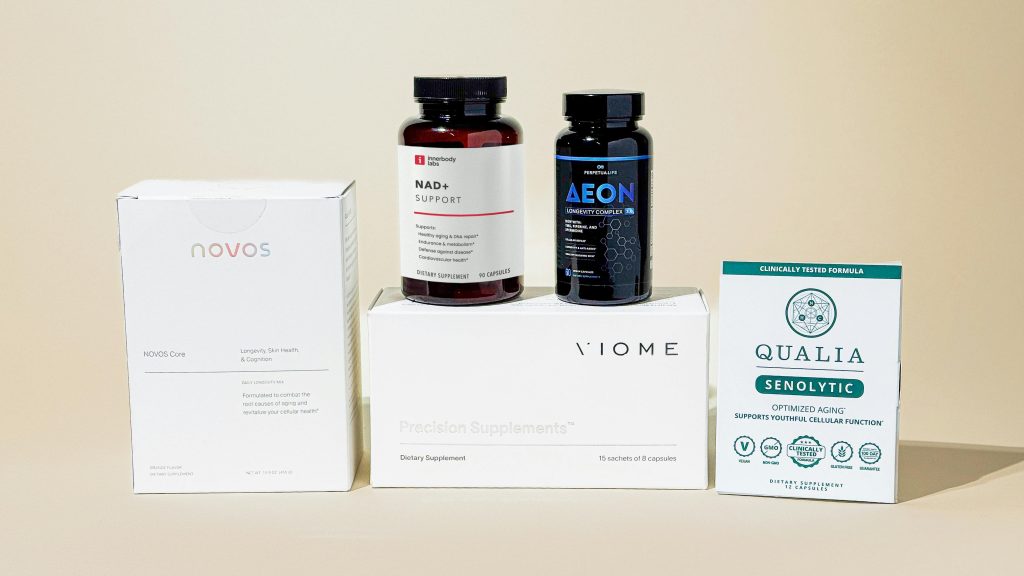
Another compelling area of research involves Nutraceuticals, which are specialized supplements that many believe can combat both oxidative stress and cellular aging. Ingredients such as antioxidants—found in vitamins E and C, or flavonoids in berries—are gaining attention for their potential to neutralize harmful free radicals that contribute to the aging process. A growing body of evidence suggests that these dietary interventions may not only slow down aging but also improve overall health and longevity when integrated into daily life.
Gene Therapy is also at the forefront of anti-aging research, aiming to modify or correct genes linked to aging-related phenotypes. By targeting specific genes associated with cellular repair and longevity, such as those involved in telomere maintenance, researchers believe they could promote healthier aging at the genetic level. This futuristic approach has sparked optimism in reversing certain age-associated declines.
Moreover, the role of Hormone Replacement Therapy in combating age-related decline cannot be understated. As individuals age, hormonal levels—such as estrogen, testosterone, and growth hormone—fluctuate, which can lead to various physical and mental health challenges. Restoring hormonal balance through carefully supervised therapies may assist in alleviating symptoms like fatigue, mood swings, and decreased libido, ultimately contributing to a better quality of life.
These advancements represent a significant shift toward scientifically validated anti-aging solutions, revealing how factors like genetics, environmental stressors, and lifestyle choices contribute to our aging patterns. As research continues to unfold and new insights emerge, the potential for enhanced longevity combined with a better quality of life seems increasingly within reach.
What do current studies ultimately convey about the efficacy of these treatments? The findings from ongoing research may not only surprise but also enlighten us about our biological selves, encouraging a more informed and proactive approach to aging. As we delve deeper into the science behind these therapies, the horizon looks bright for those eager to discover new avenues for maintaining youthfulness and health.
DISCOVER MORE: Click here for essential makeup tips for photography
The Intersection of Biology and Anti-Aging Science
The quest to unlock the secrets of anti-aging treatments is deeply rooted in biological research and discovery. As we continue to deepen our understanding of cellular aging, scientists are making significant strides that blur the line between science fiction and reality. One of the core concepts emerging in this field is the notion of cellular senescence. This phenomenon occurs when cells lose their ability to divide and function properly, contributing to the aging process and the onset of age-related diseases. Researchers are now exploring ways to combat this decline not just with cosmetic solutions, but through targeted therapies that may effectively rejuvenate the very cells that compose our bodies.
One prominent avenue of exploration involves the use of senolytic drugs. These medications are designed to clear out senescent, or aging, cells that accumulate in tissues over time, potentially leading to enhanced tissue function and improved longevity. Studies have indicated that by selectively targeting these dysfunctional cells, it may be possible to not only improve healthspan—the period during which one is healthy—but also extend lifespan. Clinical trials are underway to assess the efficacy and safety of these treatments, revealing an exciting frontier in the field of age-related research.
Tools to Measure Biological Age
As the science behind anti-aging treatments evolves, researchers are also developing tools to measure biological age. Unlike chronological age, which simply counts years since birth, biological age reflects the actual state of our cells and tissues. The development of epigenetic clocks—sophisticated algorithms that analyze DNA methylation patterns—has transformed how we understand aging. For instance, a groundbreaking study by Horvath and others has shown that analyzing these changes can provide insights into a person’s biological and health status, allowing for a more tailored approach in anti-aging treatments.
Continuing along this path, the role of lifestyle choices is paramount. An accumulation of evidence suggests that factors such as diet, exercise, and sleep can significantly influence our biological age and overall health. For example, studies have demonstrated that a Mediterranean diet rich in fruits, vegetables, and healthy fats can lead to marked improvements in biomarkers associated with aging. Similarly, regular physical activity has been linked to prolonged youthfulness and reduced incidence of chronic diseases. As researchers delve deeper into the interplay of these factors, they underscore a pivotal message: proactive choices can have a profound impact on the aging process.
Future Prospects in Anti-Aging Research
The confluence of cutting-edge research has paved the way for an array of potential anti-aging therapies. Some of the most promising approaches include:
- Systems biology: This interdisciplinary approach seeks to comprehend the complex interactions within biological systems, potentially unveiling novel intervention points to combat aging.
- Natural compounds: Investigations into various plant extracts and nutraceuticals continue to reveal antioxidants and compounds that may promote healthy aging.
- Advanced gene editing: CRISPR and other gene-editing technologies may allow scientists to directly address genetic predispositions related to aging.
As we witness more breakthroughs in these areas, the future of anti-aging treatments looks promising. By marrying traditional knowledge with modern science, researchers aim to not only extend our lifespans but also enhance the quality of life during the years we have. The implications of this research could shape a new era in healthcare, emphasizing prevention over treatment, and offering a compelling pathway toward healthier, longer lives.
The Science Behind Anti-Aging Treatments: What Research Is Discovering?
The field of anti-aging research is brimming with innovative approaches and groundbreaking discoveries that seek to decode the intricacies of aging at the cellular level. Recent studies have spotlighted several promising treatments that aim not just to enhance appearance but also to improve overall well-being as we age.
One noteworthy advancement is the use of telomere lengthening as a means to potentially reverse aspects of aging. Telomeres, the protective caps at the ends of our chromosomes, shorten as we age, leading to cell death and functional decline. Researchers are investigating therapies that might enhance telomerase activity, thereby extending the lifespan of cells and postponing age-related degeneration.
Additionally, the role of senolytics—compounds that can selectively eliminate senescent cells, which accumulate as we age and contribute to chronic inflammation—has emerged as a vital area of inquiry. Eliminating these dysfunctional cells has shown potential in improving healthspan, the period of life spent in good health, rather than merely focusing on lifespan extension.
Moreover, recent findings suggest that diet and nutrition play pivotal roles in anti-aging. Specific dietary patterns, such as those rich in antioxidants and anti-inflammatory compounds, have been linked to reduced markers of aging. The ketogenic diet, which changes the body’s energy source from glucose to ketones, is under research for its potential benefits in enhancing metabolic health and possibly prolonging life.
Stem cell therapy, a frontier in regenerative medicine, also offers exciting possibilities. By harnessing the power of stem cells, researchers aim to repair and rejuvenate aging tissues, promoting a healthier, more vibrant life. Ongoing studies are testing the efficacy of these treatments and their potential to translate into viable therapies for age-associated conditions.
As the scientific community continues to vault forward with explorations in the realms of genetics, biochemistry, and molecular biology, the quest for effective anti-aging treatments is likely to yield even more significant insights and developments. This evolving landscape invites curiosity and demands further exploration into how these innovations could transform our understanding of aging itself.
| Category | Advantages |
|---|---|
| Telomere Lengthening | Potentially reverses cellular aging and prolongs cell longevity. |
| Senolytics | Targets and removes aging cells, improving healthspan and reducing inflammation. |
| Dietary Interventions | Supports cellular health and may modulate aging effects through nutrition. |
| Stem Cell Therapy | Aims to rejuvenate tissues and restore functionality lost with aging. |
As the landscape of anti-aging treatments expands, readers should remain engaged with ongoing research and clinical trials that promise to unveil new avenues for prolonging healthy living.
DISCOVER MORE: Click here for quick makeup tips
Emerging Technologies in Youth Restoration
The landscape of anti-aging treatments is rapidly evolving with the integration of advanced technologies that promise to transform how we approach health and longevity. One such innovation is the use of regenerative medicine, which harnesses the body’s natural healing processes. Techniques like stem cell therapy, particularly mesenchymal stem cells, have garnered attention for their potential to repair or replace damaged tissues, rejuvenating bodily function and improving overall vitality. Early clinical trials suggest that these therapies may not only address age-related decline but also enhance the regenerative capacity of tissues, marking a significant leap forward in our understanding of aging.
Moreover, advancements in phototherapy have shown promise in rejuvenating skin and promoting healing at the cellular level. Devices that emit specific wavelengths of light have been found to stimulate collagen production and improve skin texture. Light-emitting diode (LED) therapy, for instance, is becoming increasingly popular in dermatology clinics, as research highlights its effectiveness in reducing signs of aging while enhancing cellular repair mechanisms. Clinical evidence also points to the efficacy of red and near-infrared light in mitigating inflammation and accelerating recovery, suggesting that the right light exposure could play a crucial role in our anti-aging arsenal.
The Role of Microbiome in Aging
Intriguingly, researchers are uncovering the role of the microbiome—the diverse community of microorganisms living in and on our bodies—in the aging process. Studies indicate that a balanced microbiome can influence immune function, metabolism, and even skin health, all of which are intrinsically linked to aging. Probiotics and prebiotics are being investigated for their capacity to restore microbial balance, which could potentially ameliorate age-related health issues. A diverse gut microbiome, for example, has been associated with lower instances of chronic diseases often seen in older adults, further illustrating the intricate connections between our internal ecosystems and the aging process.
Artificial Intelligence and Predictive Analytics
As technology continues to permeate the healthcare landscape, artificial intelligence (AI) is emerging as a formidable tool in anti-aging research. AI algorithms analyze vast amounts of data to discern patterns in aging, gleaning insights from genetic, epigenetic, and environmental variables. This predictive capability could lead to personalized anti-aging treatments, enabling practitioners to tailor interventions based on an individual’s unique biological and lifestyle profile. Several startups are already employing AI to develop algorithms that predict age-related diseases, paving the way for preemptive strategies that could improve longevity and quality of life.
In addition to AI, researchers are exploring the potential of biomarkers for early detection of age-related diseases. Establishing a set of reliable biomarkers—substances found in blood, urine, or tissues that indicate the state of health—could revolutionize how we approach aging. From measuring inflammatory markers to analyzing metabolic changes, these tools can empower individuals to take proactive measures against aging-related decline.
The implications of integrating these advanced technologies into [anti-aging research](http://example.com) are profound, offering a deeper understanding of the complexities of aging and the development of more effective, individualized treatment strategies. As scientists continue to unlock the mysteries of the aging process, we move closer to a future where aging might be a more manageable and less daunting challenge.
DISCOVER MORE: Click here to uncover natural secrets for healthier hair
Conclusion: The Future of Anti-Aging Treatments
The exploration of anti-aging treatments is not only expanding our understanding of the aging process but is also reshaping the possibilities for enhancing longevity and quality of life. With each breakthrough in regenerative medicine, phototherapy, and insights into the microbiome, we are learning more about the inherent complexities that govern our bodies as they age. These innovations signify a shift from merely managing the symptoms of aging to potentially reversing some of its effects.
Moreover, the advent of artificial intelligence brings unprecedented capability to analyze vast datasets, enabling the development of personalized treatment approaches. As we harness the power of biomarkers, the promise of early detection and proactive management of age-related conditions is closer to becoming a reality. These advancements suggest that aging may no longer be seen as an inevitable decline but rather as a dynamic process that can be influenced and optimized through science.
The implications of these developments extend beyond skincare and aesthetic treatments; they invite us to consider a holistic view of health, where longevity and vitality become attainable goals for a broader population. Therefore, as research continues to unveil new pathways for revitalization, the pursuit of anti-aging treatments stands as a testament to human ingenuity and the relentless quest for a healthier, longer life. To stay informed on the advancing science behind anti-aging techniques, individuals are encouraged to follow ongoing studies and consider how these discoveries might inform their own health journeys in the years to come.
Related posts:
Beauty Technology Trends: Anti-Aging Devices You Need to Know About
The Role of Sunscreen in the Fight Against Signs of Aging
Herbs and Natural Extracts: Anti-Aging Solutions You Can Use at Home
Innovative Aesthetic Treatments for Facial Rejuvenation: What's New?
The Impact of Stress and Sleep on Skin Health: Anti-Aging Strategies
The Role of Nutrition in Preventing Skin Aging

Beatriz Johnson is a seasoned skincare specialist and writer with a passion for simplifying the complexities of beauty science and skincare routines. With over a decade of experience in the aesthetics industry, she specializes in topics like ingredient efficacy, anti-aging strategies, and global beauty trends. Through her work, Beatriz empowers readers to make informed skincare choices and stay ahead in the ever-evolving world of beauty and wellness.