
Botanical Ingredients in Cosmetics: How to Choose Natural Products for Your Beauty Routine
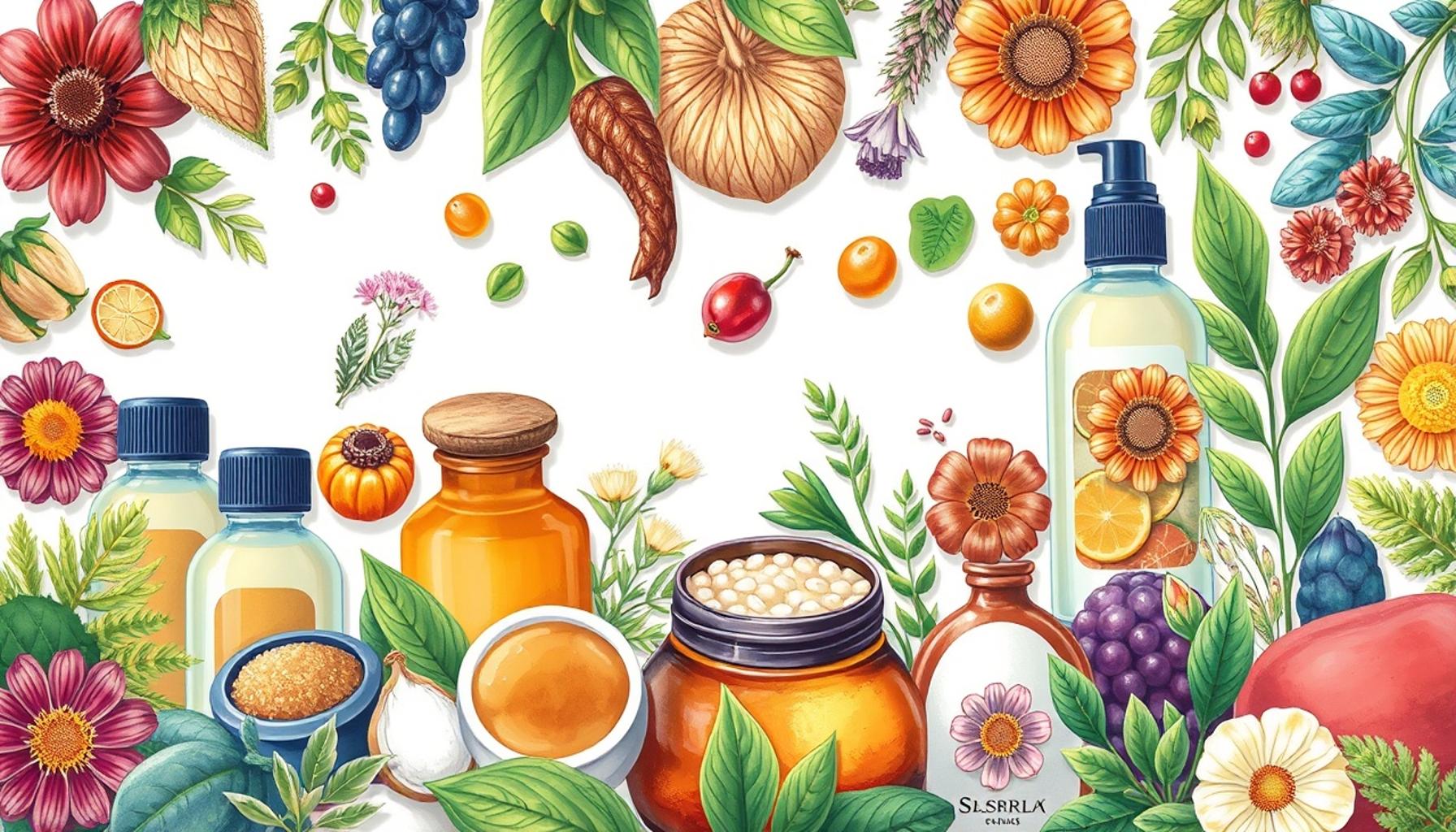
Unlocking the Power of Nature for Your Skin
As consumers increasingly seek alternatives to synthetic components in their skincare products, the spotlight has turned to botanical ingredients in cosmetics. This growing trend, rooted in a desire for natural beauty solutions, has prompted a deeper exploration into how these plant-based elements can revolutionize skincare routines. With the potential to deliver remarkable benefits, the transition to botanical products is more than just a fad; it’s a movement towards embracing the essence of the natural world.
When considering the incorporation of natural products into your regimen, a few important aspects warrant attention:
- Sourcing: It is crucial to select brands that prioritize ethically sourced botanicals. For example, companies that engage in fair trade practices ensure that farmers receive a fair wage and that the environment is protected. This step not only supports local economies but also promotes biodiversity.
- Formulations: High concentrations of active ingredients make a significant difference in efficacy. Products infused with potent extracts, such as rosehip oil or shea butter, can provide superior hydration and nourishment when compared to diluted formulas. Assessing the ingredient list for the order of components can indicate their concentration level.
- Certifications: Organic or cruelty-free certifications are more than just buzzwords; they are significant markers of quality and ethical production. Brands with these certifications usually comply with strict guidelines that reflect a commitment to environmental stewardship and animal welfare.
Noteworthy botanical ingredients like aloe vera, chamomile, and green tea offer unique benefits for various skin types. For instance, aloe vera is widely recognized for its ability to hydrate and heal, making it an excellent choice for individuals with dry or irritated skin. Meanwhile, chamomile is famed for its soothing properties, often utilized in products designed for sensitive skin. Green tea, rich in antioxidants, combats skin aging and environmental damage, providing a protective barrier against pollutants. By understanding these ingredients and their specific advantages, consumers can tailor their skincare choices to align with their skin’s needs.
As you embark on this journey into the world of botanical wonders, educating yourself is paramount. Knowledge about botanical ingredients not only empowers informed decisions but also elevates the overall effectiveness of your beauty routine while reinforcing a commitment to sustainability. Are you ready to uncover the myriad secrets nature holds for your skin? Join us in exploring the enchanting realm of natural cosmetics and unlock the transformative potential they offer.
DIVE DEEPER: Click here to discover more
Understanding Botanical Ingredients: A Primer for Consumers
As the demand for natural cosmetics continues to surge, it’s essential to navigate the diverse landscape of botanical ingredients effectively. Knowing what these components are and their unique properties can significantly influence your beauty choices. But what exactly qualifies as a botanical ingredient? In the realm of cosmetics, these ingredients are derived from plants, encompassing everything from essential oils to flower and seed extracts. This broad category allows for a rich tapestry of benefits, catering to various skin types and concerns.
One of the first steps in selecting the right products is to understand common botanical ingredients and their specific skin benefits. Here are some key players in the world of natural cosmetics:
- Jojoba Oil: Similar in structure to the skin’s natural oils, jojoba oil is an excellent moisturizer that also helps to balance oily skin. Its non-comedogenic properties make it suitable for those prone to acne.
- Lavender: Known for its calming scent, lavender oil also possesses antibacterial and anti-inflammatory qualities that can aid in reducing redness and irritation.
- Tea Tree Oil: A powerhouse for combating acne, tea tree oil has renowned antimicrobial properties, making it a popular ingredient in blemish-fighting products.
- Shea Butter: Rich in fatty acids, shea butter offers deep hydration and is excellent for soothing dry or damaged skin. Its anti-inflammatory properties provide additional benefits, especially for conditions like eczema.
- Rose Extract: Favored for its aromatic fragrance, rose extract is also packed with antioxidants and helps to moisturize and soothe, making it ideal for sensitive skin types.
Micro-ingredients like these have been part of traditional beauty remedies around the world for centuries, but science is catching up to support their effectiveness. Research indicates that many botanical ingredients can improve skin texture, reduce the appearance of fine lines, and protect against environmental stressors. This creates a compelling case for contemplating natural alternatives in your skincare regimen.
As you sift through options in the cosmetic aisle or online, remember that not all products labeled as “natural” or “organic” are created equal. Product transparency is vital; hence, investigating ingredient lists and brand philosophies can reveal much about the product you are considering. Look for products with a higher percentage of botanical extracts listed toward the top of the ingredient list, as this often signifies a more effective formulation.
In this journey towards natural beauty, it’s not solely about what is in the products, but also about the broader impact your purchasing decisions have on the environment and communities. By choosing brands committed to sustainable practices, you are not just investing in your skin but also supporting a movement that fosters ecological balance and ethical sourcing.
In the next section, we will delve deeper into how to assess the efficacy of these botanical ingredients and what to watch out for in product formulations, helping you make informed choices that align with your beauty goals.
Exploring the Benefits of Botanical Ingredients
In the quest for a beautiful and radiant complexion, botanical ingredients play a pivotal role in cosmetics. These natural components offer not only nourishment but also a plethora of skin-enhancing benefits. Understanding how to select natural products can significantly improve your beauty routine.One primary advantage of utilizing products infused with botanical ingredients is their gentleness on the skin. Unlike synthetic materials that may cause irritation or allergic reactions, natural botanicals are often more harmonious with our skin’s natural chemistry. Ingredients like aloe vera, renowned for its soothing properties, and chamomile, known for its anti-inflammatory effects, exemplify this gentle approach.Moreover, natural ingredients can provide a host of vitamins and antioxidants essential for maintaining a youthful appearance. Green tea extract, for instance, is rich in polyphenols that combat free radicals, while rosehip oil boasts a high concentration of vitamins C and A, promoting skin regeneration and elasticity.As you navigate the diverse array of products on the market, consider opting for those with minimal processing and transparent sourcing of botanical ingredients. A commitment to sustainability not only aligns with environmental principles but also enhances the overall efficacy of these natural products.Now, let’s delve deeper into understanding the different categories of botanical ingredients and how they can reshape your beauty regimen with the following insights:
| Ingredient Type | Characteristic Benefits |
|---|---|
| Herbal Extracts | Rich in antioxidants, helps in rejuvenating skin. |
| Essential Oils | Naturally derived fragrances with therapeutic properties. |
| Fruit Extracts | Packed with vitamins, enhances radiance and hydration. |
With this table, you can better understand the profound impacts these ingredients may have on your skincare routine, facilitating informed choices that align with your beauty aspirations. The journey to healthier skin starts with understanding what you apply, and embracing the power of nature is a commendable step towards achieving your beauty goals.
DISCOVER MORE: Click here to learn about eco-friendly makeup options
Evaluating Efficacy and Safety of Botanical Ingredients
As you embark on your journey to incorporate more botanical ingredients into your beauty routine, understanding how to evaluate their efficacy and safety is essential. Not every plant-derived component is automatically safe or effective; thus, educating yourself on specific factors can be a game-changer in making sound choices.
One critical aspect to consider is the concentration of botanical ingredients in a formula. High-quality products often feature active compounds in substantial amounts, making them more effective. On the ingredient list, pay attention to the order in which ingredients are listed; typically, ingredients present in higher quantities are listed first. For instance, if a product lists “rosemary extract” toward the top, it likely contains a significant amount compared to one that places it at the end.
Furthermore, it’s beneficial to understand how certain botanical ingredients interact with one another. Some plant extracts can enhance the effectiveness of others, creating synergistic effects. For example, citrus extracts combined with aloe vera can produce a more powerful brightening effect on the skin due to their complementary properties. Similarly, combining soothing agents like chamomile with exfoliating components can create a balanced product that revitalizes without irritating.
Potential Allergens and Sensitivities
Another crucial consideration is the potential for allergies or sensitivities associated with botanical ingredients. While many plant extracts are deemed safe, some can cause allergic reactions in individuals, particularly those with existing skin conditions or sensitivities. Patch testing a new product on a small area of skin before application can help you gauge how your skin will react. Always watch for known allergens such as certain essential oils or extracts that may trigger reactions, like frangipani extracts for some individuals.
In the ever-evolving world of natural beauty products, staying informed is imperative. Regulatory bodies such as the Food and Drug Administration (FDA) in the U.S. provide guidelines, but they do not pre-approve most cosmetics. This means it’s up to consumers to investigate brands thoroughly. Look for certifications like USDA Organic, which verify organic content and sustainable practices, providing an added layer of assurance.
Choosing Brands with Integrity
Choosing a brand goes beyond just the ingredients; it encompasses their overall ethos. Brands that prioritize sustainability and ethical sourcing often carry a variety of certifications that can lend credibility. Look for companies that engage in fair trade practices or those which support local communities through sourcing initiatives. Companies aligned with environmentally friendly practices are likely to prioritize safer, high-quality ingredients that are less harmful to both the consumer and the planet.
A compelling example in this domain is the rise of independent brands dedicated exclusively to botanical ingredients. These companies often focus on transparency, sharing detailed information about their sourcing and production processes. Brands that openly communicate their commitment to using natural, cruelty-free ingredients tend to foster trust and customer loyalty.
As you refine your approach to selecting natural products, remember that awareness, transparency, and informed decision-making will empower you to build a beauty routine that resonates with your personal values while promoting overall well-being. By understanding the intricacies of botanical ingredients, you can curate a collection of cosmetics that enhance your beauty naturally and responsibly.
DIVE DEEPER: Click here to learn more
Embracing the Power of Nature in Your Beauty Routine
In conclusion, integrating botanical ingredients into your beauty routine can lead to a natural, effective approach to skincare and cosmetics. As you’ve explored throughout this article, understanding the importance of ingredient concentration and the synergistic effects of different botanical extracts will empower you to make informed choices that enhance your beauty. By staying mindful of potential allergens and sensitivities, you’ll not only promote healthier skin but also ensure a more enjoyable product experience.
Moreover, the ethical and sustainable practices of the brands you support should be a cornerstone of your decision-making process. In today’s market, numerous independent brands forge a path toward transparency, ensuring you know precisely what you are applying to your skin. This conscientious selection not only benefits your well-being but also contributes to a broader positive impact on the environment.
As you explore the vast world of natural cosmetics, consider this your invitation to investigate further. Read labels, seek out reputable sources and certifications, and engage with brands that align with your values. By doing so, you cultivate a beauty regimen that not only reflects your personal ethos but also harnesses the nourishing powers of nature to enhance your skin’s vitality. Remember, your beauty journey is not only about aesthetics—it’s a reflection of your commitment to sustainability, wellness, and self-care.
Related posts:
The Influence of Plant Extracts in the Formulation of Anti-Aging Products
The Effectiveness of Aloe Vera-Based Moisturizers: The Secret to Radiant Skin
Natural Ingredients that Transform Hair Health
The Impact of Fruit Extracts on Skin Hydration and Nutrition
How Chamomile and Other Botanical Extracts Soothe Sensitive Skin
The Benefits of Essential Oils in Skincare Routine

Beatriz Johnson is a seasoned skincare specialist and writer with a passion for simplifying the complexities of beauty science and skincare routines. With over a decade of experience in the aesthetics industry, she specializes in topics like ingredient efficacy, anti-aging strategies, and global beauty trends. Through her work, Beatriz empowers readers to make informed skincare choices and stay ahead in the ever-evolving world of beauty and wellness.