DIY: Natural Ingredient Face Mask Recipes for Different Skin Types

Unleashing Nature’s Power for Your Skin
Your skin deserves the best, and what could be better than the pure, potent ingredients found in nature? With the rise of DIY beauty, harnessing the benefits of natural ingredients for face masks has never been more accessible. Not only can you customize these recipes for your unique skin type, but you can also avoid harsh chemicals commonly found in store-bought products.
Why Choose DIY Natural Face Masks?
Exploring DIY face masks can be both exciting and rewarding. Delving into the world of natural skincare allows individuals to take control of what goes on their skin. Here are some compelling reasons to dive into DIY masks:
- Customization: Tailor each recipe to target specific skin concerns. For example, if you’re struggling with acne, a mask made with honey and tea tree oil can provide antiseptic properties, while a dry skin remedy might include avocado and olive oil for its rich hydration.
- Affordability: Natural ingredients reduce the cost compared to commercial skincare products. Many ingredients like oatmeal, yogurt, and fruits can be easily found in your pantry, making these masks not only inexpensive but also sustainable.
- Simplicity: Most ingredients can be found in your kitchen or local store. Items like mashed banana, which is rich in potassium, or honey, known for its antibacterial properties, can be easily incorporated without the need for advanced formulations.
Understanding Different Skin Types
Before crafting your perfect mask, it’s crucial to understand your skin type. Here’s a quick overview:
- Oily Skin: Look for ingredients that help absorb excess oil. Clay masks, for instance, made from bentonite or kaolin clay, can draw out impurities and control shine.
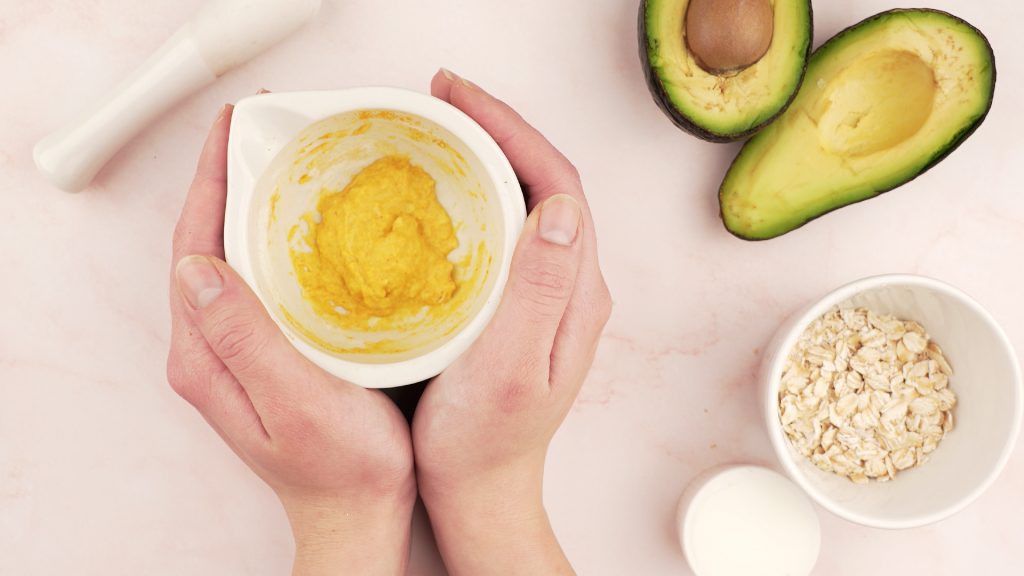
- Dry Skin: Ingredients that provide hydration and nourishment are key. A simple blend of mashed avocado and honey can work wonders, as both are rich in fatty acids and powerful humectants.
- Combination Skin: Balance is essential; using components for both oily and dry areas works best. Consider a mask that combines yogurt and honey, which can hydrate the dry parts while gently exfoliating the oily zones.
- Sensitive Skin: Soothing, gentle ingredients are a must. Calming masks made from oatmeal and almond milk can greatly reduce irritation and redness and are effective for sensitive skins.
By choosing natural ingredients tailored to your needs, you can create effective and soothing treatments for glowing skin. Furthermore, making your own masks can be a fun activity, whether you’re hosting a spa day with friends or indulging in some self-care at the end of a long week. Let’s explore how to whip up these delightful mixtures that promise to rejuvenate your complexion naturally.
In a world increasingly dominated by synthetic beauty solutions, going the natural route not only enhances your skincare regimen but also provides an opportunity to engage with the therapeutic effects of nature. Consider starting with simple recipes and gradually experimenting with various combinations to discover what your skin loves most. As you embark on this journey towards healthier skin, remember to take note of how different ingredients make your skin feel and look, leading to a more personalized and effective skincare routine.
DISCOVER MORE: Click here to delve into the latest innovations
Crafting Your Face Mask: Essential Ingredients for Every Skin Type
Now that you have a foundational understanding of DIY face masks and the importance of natural ingredients, it’s time to roll up your sleeves and start creating! Each skin type has its own unique requirements which can be addressed through carefully selected natural components. Here are some tried-and-true recipes that cater to your specific skin needs:
Recipes for Oily Skin
For those grappling with oily skin, the goal is to manage excess oil production while keeping your complexion clear and fresh. A highly effective DIY mask includes:
- Clay Mask: Combine 2 tablespoons of bentonite clay with enough water to achieve a thick paste. Apply this all-over the face and leave it for 10–15 minutes. Rinse off with warm water to reveal a brighter, less oily complexion.
- Yogurt and Honey Mask: Mix 2 tablespoons of plain yogurt with 1 tablespoon of honey for an antibacterial treatment. This mask helps to reduce breakouts while hydrating the skin.
Recipes for Dry Skin
If dry skin is your concern, incorporating ingredients rich in moisture and nourishment is essential. Try these both soothing and hydrating masks:
- Avocado and Honey Mask: Mash half an avocado and blend it with 1 tablespoon of honey. Apply to your face for about 20 minutes, as both ingredients work to hydrate and rejuvenate parched skin.
- Oatmeal Mask: Combine 1/2 cup of oatmeal with warm water to create a thick paste. Allow it to cool slightly, then apply it to your face. Oatmeal is known for its soothing properties and can alleviate dryness and irritation.
Recipes for Combination Skin
Balancing between dry and oily skin can be tricky, but certain natural ingredients can effectively cater to both areas. Consider these masks:
- Banana and Honey Mask: Blend one ripe banana with 1 tablespoon of honey to create a mask that hydrates dry spots while helping absorb excess oil.
- Yogurt and Lemon Mask: Mix 3 tablespoons of yogurt with a few drops of lemon juice. Leave the mask on for 10 minutes to enhance brightness while maintaining moisture.
Recipes for Sensitive Skin
For sensitive skin, the best approach is to opt for calming, gentle ingredients that won’t provoke irritation. Try these soothing recipes:
- Oatmeal and Almond Milk Mask: Grind 1/2 cup of oats and mix with 1/4 cup of almond milk to form a paste. Apply for 15–20 minutes for a calming effect that reduces redness and sensitivity.
- Cucumber and Yogurt Mask: Blend half a cucumber with 1/4 cup of yogurt. This refreshing mask provides cooling relief and helps reduce inflammation.
Armed with these simple and effective recipes for each skin type, you are well on your way to harnessing the incredible benefits of nature. Each mask is not only a treat for your skin but also offers an enjoyable ritual that promotes well-being. Remember to always perform a patch test before applying any mask to ensure compatibility with your skin, and feel free to tweak these recipes as you discover what works best for your individual needs.
| Skin Type | Recommended Ingredients |
|---|---|
| Oily Skin | Clay, Aloe Vera |
| Dry Skin | Honey, Avocado |
| Sensitive Skin | Oatmeal, Cucumber |
| Combination Skin | Yogurt, Almond Oil |
Taking into account the vast variety of skin types, it’s crucial to tailor your DIY face mask recipes accordingly. For individuals with oily skin, utilizing clay and aloe vera can effectively absorb excess oil and provide a refreshing sensation. On the other hand, those suffering from dry skin can benefit immensely from the nourishing properties of honey and avocado, which deeply hydrate and revitalize the skin.Those with sensitive skin are encouraged to opt for calming ingredients like oatmeal and cucumber, known for their gentle soothing abilities. Lastly, if you have combination skin, combining yogurt and almond oil can balance both the oily and dry areas effectively. Each of these masks serves not only to enhance the skin’s appearance but also to promote a healthier, glowing complexion. Discovering the right combination of natural ingredients can be a delightful journey into personalized skincare, perfect for enhancing your beauty regime.
DISCOVER MORE: Click here to elevate your makeup game
Enhancing Your DIY Face Masks: Additional Tips and Ingredients
Once you’ve mastered the basic recipes for your specific skin types, you might want to enhance your DIY experience by incorporating additional ingredients and techniques that amplify the benefits of your face masks. Understanding how to mix and match different elements can elevate your skincare routine to new heights, making it both effective and enjoyable. Here are some suggestions for customizing your DIY face masks:
Boosting Nutrients with Superfoods
Look no further than your kitchen pantry to find superfoods that can transform your face masks. Consider adding:
- Spirulina: This blue-green algae is packed with antioxidants, vitamins, and minerals that create a radiant complexion. Mix a teaspoon with any mask for a nutrient boost.
- Cocoa Powder: Rich in flavonoids, cocoa can help improve circulation and brighten skin. Combine a tablespoon with yogurt or honey to create a luxurious mask.
Essential Oils for Aromatherapy Benefits
Incorporating a drop or two of essential oils can not only enhance your mask’s scent but also provide therapeutic properties. Keep in mind to use high-quality, pure essential oils. Here are a few that may work wonders:
- Tea Tree Oil: Particularly useful for oily or acne-prone skin, adding a drop of this oil to your clay mask can enhance its antibacterial effects.
- Lavender Oil: Ideal for sensitive skin, lavender promotes relaxation and can help soothe irritation when added to the oatmeal mask.
Natural Exfoliants for Smooth Texture
To achieve a refined texture and enhanced absorption of the nourishing elements, try adding natural exfoliants into your masks. Options include:
- Brown Sugar: As a gentle scrub, brown sugar can be mixed with honey to create a mask that sloughs away dead skin cells without being overly abrasive.
- Coffee Grounds: For a bracing effect, mix leftover coffee grounds with yogurt or coconut oil. The caffeine can temporarily plump skin while contributing to exfoliation.
Timing and Frequency for Optimal Results
It’s essential to recognize that the frequency with which you apply your DIY face masks can impact your skin’s health:
- For oily skin, 1-2 times a week is recommended to reduce excess oil without over-drying.
- For dry skin, a hydrating mask once a week can help maintain moisture levels.
- If you have combination skin, consider alternating between balancing and hydrating masks every other week.
- For sensitive skin types, it’s wise to opt for masks infused with calming ingredients once a week to avoid irritation.
As you refine your DIY face mask recipes, remember that the beauty of natural skincare lies in experimentation. Each ingredient offers unique properties and benefits waiting for you to reveal them. Pay attention to your skin’s needs and adjust your ingredients accordingly to find the perfect combination tailored especially for you. Furthermore, stay informed about the properties and functions of these ingredients as they can greatly enhance your skincare experience and outcomes.
DISCOVER MORE: Click here to learn about the power of sunscreen
Conclusion: Embrace the Power of DIY Natural Face Masks
Creating your own DIY natural ingredient face masks allows you to tailor treatments specifically for your skin type, bringing a personal touch to your skincare routine. From revitalizing the oily skin prone to breakouts to pampering dry skin that craves moisture, the recipes and enhancements discussed provide an array of options suited to individual needs. Emphasizing the use of natural ingredients not only ensures a gentle approach to skincare but also promotes sustainability by utilizing items often found right in your kitchen.
As you explore the various natural face mask recipes, remember that the journey is about self-discovery and experimentation. You have the freedom to mix, match, and adjust your ingredients, enhancing each mask according to your skin’s changing demands. The incorporation of superfoods, essential oils, and natural exfoliants expands the benefits, offering an opportunity to elevate your self-care rituals into a holistic experience.
Ultimately, understanding your skin’s unique needs will guide you in selecting the most effective masks. Regularly engaging with your skincare routine not only addresses current concerns but allows you to cultivate long-term skin health. By committing to a regimen of DIY face masks, you’ll not only witness visible improvements but also foster a deeper connection with your skin and overall well-being. So, gather your ingredients, unleash your creativity, and embark on the path to achieving that radiant, healthy glow.
Related posts:
The Power of the Antiseptic Properties of Tea Tree Oil in Beauty Products
The Effectiveness of Aloe Vera-Based Moisturizers: The Secret to Radiant Skin
The Role of Natural Antioxidants in Preventing Skin Aging
How the Use of Seaweed Extracts Can Revitalize Skin and Protect Against Pollutants
The Power of Natural Oils: Benefits and Applications in Skin Care
Natural Ingredients that Transform Hair Health

Beatriz Johnson is a seasoned skincare specialist and writer with a passion for simplifying the complexities of beauty science and skincare routines. With over a decade of experience in the aesthetics industry, she specializes in topics like ingredient efficacy, anti-aging strategies, and global beauty trends. Through her work, Beatriz empowers readers to make informed skincare choices and stay ahead in the ever-evolving world of beauty and wellness.