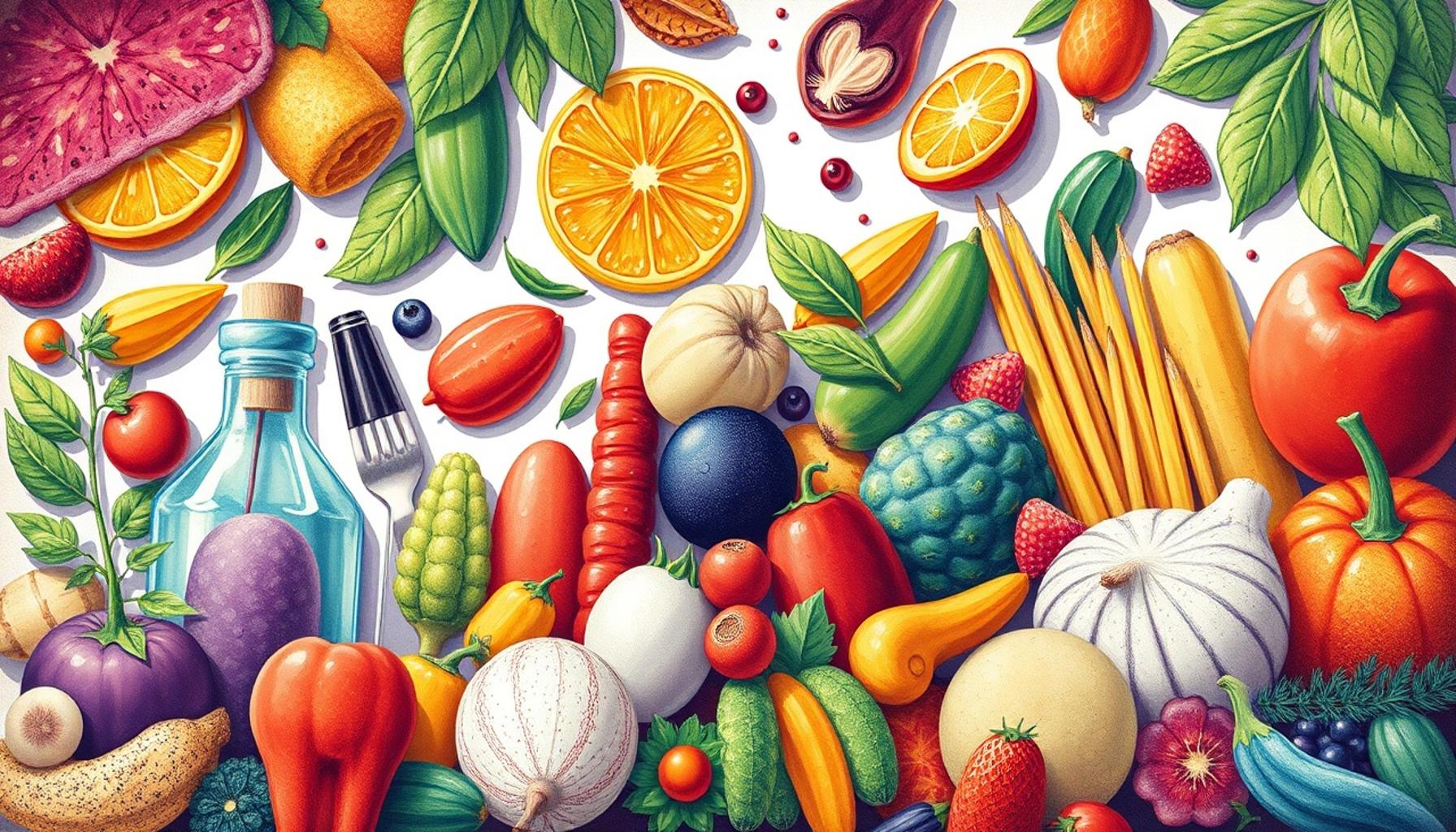
Nutrition and Aging: How Diet Can Influence Your Skin Health
The Importance of Nutrition in Aging Gracefully
The quest for youthful skin often leads to countless creams, treatments, and aesthetic procedures. However, what many overlook is the power of nutrition in the equation of aging gracefully. A well-balanced diet not only nourishes the body but plays a crucial role in maintaining skin health as we age. As we journey through life, our skin undergoes various changes influenced by both internal and external factors, and the right foods can foster elasticity, hydration, and overall skin vitality.
Understanding the Role of Key Nutrients
Nutrition directly impacts skin health and aging by offering essential building blocks. By focusing on specific nutrients, you can actively contribute to a radiant complexion:
- Antioxidants: Foods rich in vitamins C and E, such as citrus fruits, tomatoes, and leafy greens, combat free radicals that contribute to skin aging. These antioxidants help protect skin cells from damage caused by ultraviolet rays and pollution, a significant concern in urban environments.
- Healthy Fats: Omega-3 fatty acids, found in fatty fish like salmon, walnuts, and chia seeds, support skin barrier function, keeping it hydrated and reducing inflammation. This is particularly important for those prone to skin conditions like eczema or psoriasis.
- Hydration: Staying hydrated is essential for maintaining skin moisture. Drinking ample water, along with consuming hydrating foods like cucumbers and watermelon, can enhance skin elasticity and reduce the appearance of fine lines.
Dietary Patterns That Promote Skin Health
Research indicates that certain dietary patterns, such as the Mediterranean diet—which emphasizes fruits, vegetables, whole grains, fish, and healthy fats—can significantly influence the aging process. Individuals who adhere to this diet often report improved skin texture and strength. Additionally, diets high in antioxidants from fruits and vegetables can help prevent the visible signs of aging over time.
Another example is the Traditional Japanese diet, rich in fish, seaweed, and fermented foods, which not only supports overall health but contributes to vibrant skin. The cumulative effects of these nutritional choices can lead to noticeable changes in skin appearance, influencing everything from brightness to wrinkle formation.
Practical Tips for Better Skin Nutrition
As we explore the intersection of nutrition and aging, implementing simple changes can empower you to take charge of your skin’s future. Start by incorporating colorful fruits and vegetables into your meals, aiming for a variety of phytochemicals that promote skin health. Consider adding a handful of nuts to your snack routine for those healthy fats that fight inflammation. Lastly, don’t underestimate the power of hydration; make it a habit to drink a glass of water first thing in the morning and keep a water bottle handy throughout the day.
In this article, we will delve deeper into how diet impacts skin health and explore additional insights to help you make informed choices. Together, we will uncover the hidden connections between nutrition and aging, enabling you to embrace your skin journey with confidence.
DISCOVER MORE: Click here to learn about the latest innovations in skincare
Nourishing Your Skin from Within
The aging process is inevitable, but the way our skin ages can be significantly influenced by the choices we make, particularly regarding our diet. Nutrition is not merely a means to fuel our bodies; it is also a critical component in maintaining skin vigor and combating the visible effects of aging. As we age, the skin experiences a decrease in collagen production, reduced elasticity, and the impact of environmental stressors. Understanding how we can nourish our skin from within through diet can lead to healthier and more resilient skin.
The Impact of Inflammation on Skin Aging
Chronic inflammation is one of the primary culprits in skin aging. Factors such as poor diet, stress, and exposure to environmental toxins can exacerbate this inflammatory response, leading to dullness, irregular texture, and premature wrinkles. Anti-inflammatory foods help counteract these effects, and including them in your diet may yield visible benefits for your skin. Here are some key inflammatory-fighting foods:
- Berries: Blueberries, strawberries, and raspberries are packed with antioxidants and vitamins that protect skin cells from damage.
- Leafy Greens: Kale, spinach, and Swiss chard are rich in phytonutrients and vitamins that fight inflammation and promote skin health.
- Spices: Turmeric and ginger possess potent anti-inflammatory properties that can contribute to healthier skin.
Incorporating these foods into your meals can be as simple as adding a handful of berries to your morning smoothie or tossing leafy greens into your salads. Such modifications not only increase your nutrient intake but can also create a nourishing foundation for your skin.
Protein and Skin Repair
Another important aspect of nutrition and its relationship with aging skin is the role of protein. Collagen, the primary protein responsible for skin structure and firmness, diminishes with age. To support collagen production, it is crucial to consume adequate amounts of protein. This includes not only traditional sources like meat and dairy but also plant-based options such as legumes, nuts, and seeds. Integrating various protein sources ensures that your skin has the necessary building blocks for repair and regeneration.
The Power of Hydration
While we often recognize the importance of hydration for overall health, its specific impact on skin health can’t be overstated. Dehydration can lead to dry, flaky skin, accentuating the appearance of fine lines and wrinkles. Aim for at least eight glasses of water daily and pair this with water-rich foods such as cucumbers, oranges, and soups. This holistic approach not only keeps you hydrated but also supports skin vitality and resilience, allowing you to age gracefully.
As we delve deeper into the intricate relationship between nutrition and skin health, it becomes evident that a conscious effort toward dietary choices can redefine how we experience aging in our skin. With the right components in your diet, you can foster an environment that encourages youthful, luminous skin, transforming how you feel about aging.
| Category | Benefits |
|---|---|
| Antioxidant-Rich Foods | Help combat oxidative stress, reducing signs of aging. |
| Hydrating Nutrients | Foods high in water content keep the skin plump and elastic. |
| Healthy Fats | Support cell membranes and skin barrier function. |
| Vitamins and Minerals | Essential for repairing skin damage and promoting elasticity. |
Eating a balanced diet rich in nutrients is pivotal in enhancing skin health as we age. Incorporating antioxidant-rich foods like berries, nuts, and green leafy vegetables can significantly help in fighting oxidative stress, which accelerates skin aging. Meanwhile, hydrating nutrients found in fruits and vegetables, such as cucumbers, oranges, and melons, contribute to maintaining skin moisture and elasticity, essential for a youthful appearance.Moreover, the intake of healthy fats, such as omega-3 fatty acids from fish and avocados, is crucial for nourishing skin cells and reinforcing the skin’s barrier function. This can lead to reduced dryness and improved overall tone. Alongside these, vitamins and minerals, especially Vitamin C, E, and zinc, play an integral role in repairing skin damage and enhancing elasticity, delivering a multi-faceted approach to promoting healthy skin as we navigate the aging process. By focusing on these dietary aspects, individuals not only boost their skin’s health but also unlock the potential for a more vibrant and youthful appearance, igniting interest to further explore the transformative power of nutrition on skin aging.
DISCOVER MORE: Click here to learn how body treatments can enhance your recovery
The Role of Essential Fatty Acids
While proteins and vitamins are pivotal in promoting skin health, essential fatty acids (EFAs) play an equally important role in maintaining a youthful appearance. These healthy fats are crucial for skin hydration, elasticity, and protection against inflammation. Omega-3 and Omega-6 fatty acids, which are found in sources like walnuts, flaxseeds, and fatty fish such as salmon and mackerel, help preserve the skin’s lipid barrier, allowing it to retain moisture effectively. A consistent intake of EFAs can contribute to a smoother, plumper complexion while reducing the visibility of fine lines and age spots.
Antioxidants: Your Skin’s Defense Against Aging
Another critical area of focus in the intersection of nutrition and skin health is the role of antioxidants. These compounds are vital for neutralizing free radicals—unstable molecules that wreak havoc on skin cells and accelerate aging. Foods rich in vitamins A, C, and E, along with various phytonutrients, can significantly bolster your skin’s defense systems. For instance:
- Citrus Fruits: Oranges, lemons, and grapefruits are loaded with vitamin C, which is essential for collagen production and helps repair damaged skin.
- Nuts and Seeds: Almonds and sunflower seeds provide robust amounts of vitamin E, which helps protect against oxidative stress.
- Carrots and Sweet Potatoes: These vibrant vegetables are high in beta-carotene, a precursor to vitamin A that encourages skin cell turnover.
Incorporating a variety of antioxidant-rich foods into your diet not only promotes skin rejuvenation but also supports overall health, potentially lowering the risk of chronic diseases associated with aging.
The Influence of Gut Health on Skin Health
Emerging research has begun to reveal a fascinating link between gut health and skin health, often referred to as the “gut-skin axis.” A balanced gut microbiome can help reduce inflammation and improve skin conditions like acne, eczema, and rosacea. Probiotic-rich foods, such as yogurt, kefir, sauerkraut, and kimchi, are beneficial for maintaining gut health. Additionally, prebiotic foods, which feed good bacteria, such as asparagus, garlic, and onions, can be critical in supporting a healthy digestive system, and consequently, promoting clearer, more radiant skin.
Hydration and Its Effects Beyond Water Intake
While drinking enough water is essential for hydration, it is equally important to consider how certain foods can facilitate this process. Foods that are inherently hydrating, such as watermelon, strawberries, and zucchini, contribute to your overall fluid intake while providing essential vitamins and minerals. Furthermore, incorporating hydrating practices like limiting caffeine and alcohol can also help your skin look its best: both substances can leave skin dehydrated and may exacerbate the signs of aging when consumed in excess.
In summary, the relationship between nutrition and aging skin is multidimensional and complex. By mindfully selecting nutrient-dense foods, you empower your body to combat the natural processes of aging, creating a foundation for vibrant and youthful skin. From the effects of anti-inflammatory foods to the significance of healthy fats, antioxidants, and gut health, every dietary choice has the potential to influence not just how we age, but how we feel about ourselves as we embrace the passage of time.
DIVE DEEPER: Click here to learn how to master contouring and highlighting for your face shape
Conclusion: Nourishing Your Skin Through Diet
In the intricate dance of nutrition and skin health, it becomes clear that what we put into our bodies plays a pivotal role in how we age. The focus on essential fatty acids, antioxidants, gut health, and hydration demonstrates that a well-rounded diet can indeed enhance our skin’s vitality, making it more resilient against the ravages of time. Eating a rainbow of fruits and vegetables, rich in vitamins and minerals, helps protect your skin from oxidative stress, fortifying it against the signs of aging.
Furthermore, nourishing your gut with probiotics and prebiotics not only benefits digestion but can also illuminate your complexion by promoting a balanced microbiome. This newfound understanding of the gut-skin axis is just one example of how interconnected our bodily systems are; what we eat ultimately shapes our health from the inside out. Additionally, staying hydrated goes beyond simply drinking water; incorporating hydrating foods into your diet can boost your skin’s moisture levels, ensuring a plump, youthful appearance.
As we navigate the journey of aging, embracing these nutritional principles can empower us to take control of our skin’s destiny. With every meal, we have the opportunity to foster a healthier, more vibrant complexion and, in turn, greater confidence. By prioritizing nutrient-rich foods and staying mindful of our choices, we can redefine our aging narrative—not just for our skin, but for our overall well-being as well.