
Creating Calm Spaces: The Role of Minimalism in Stress Reduction and Intentional Living

Understanding the Essence of Minimalism
In today’s fast-paced society, where consumer culture often dictates our choices, the practice of minimalism stands out as a refreshing alternative. At its core, minimalism encourages individuals to consciously choose what holds value in their lives, promoting not just a cleaner living space but also a clearer mind. Embracing minimalism means reevaluating personal belongings and dedicating time to what truly matters, thereby cultivating a sense of peace amidst life’s noise.
Benefits of Adopting a Minimalist Lifestyle
The advantages of living minimally extend beyond merely having fewer possessions. They encapsulate various aspects of mental and emotional health, significantly contributing to overall well-being. Here are several key benefits:
- Reduced distractions: When living spaces are free of clutter, distractions are minimized. This allows individuals to focus on their tasks, whether it’s work, reading, or engaging in hobbies. For instance, someone working from home may find their productivity soaring in a decluttered, minimalist office.
- Enhanced clarity: A clear environment often parallels a clear mind. Psychological studies have shown that individuals in organized, simple spaces are more likely to engage in reflective thinking, aiding problem-solving and decision-making processes.
- Intentional living: Minimalism promotes making purposeful choices about possessions and time. This intentional approach can lead to greater satisfaction in life, as individuals invest in experiences and relationships over material goods, potentially boosting overall happiness.
The Psychological Impact of Minimalism
Research supports the notion that a simplified environment can lead to lower stress levels. A study published in the Journal of Environmental Psychology highlights that individuals who embrace minimalist settings report higher levels of happiness and lower anxiety compared to those surrounded by clutter. These findings indicate that engaging with a streamlined lifestyle can act as a buffer against the stressors of daily life.
Creating Calm Spaces at Home
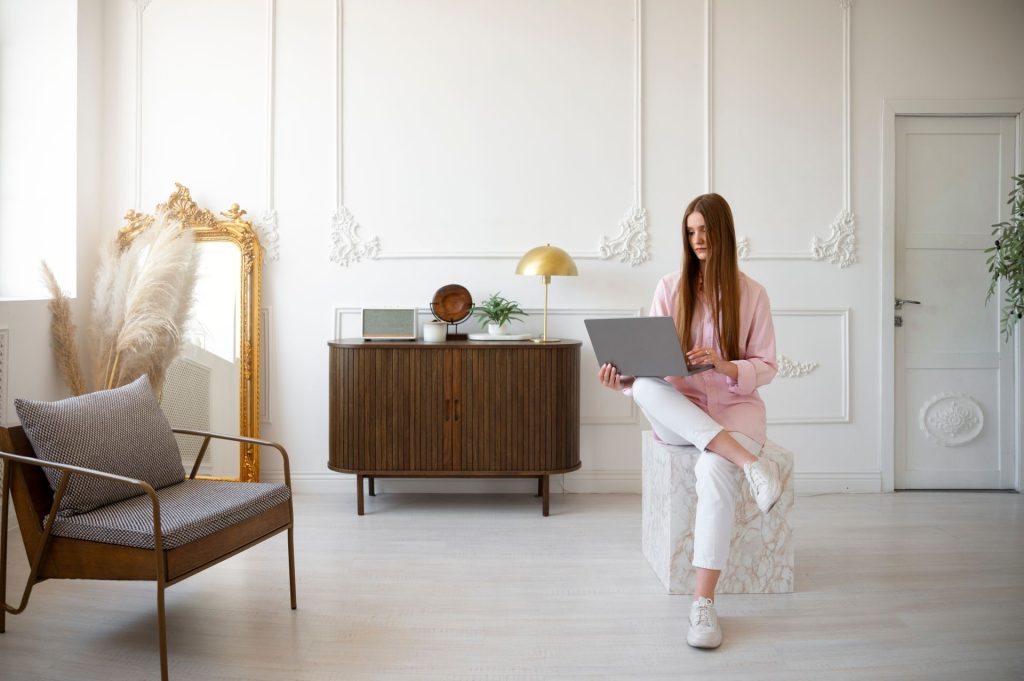
Implementing minimalism in one’s living space can significantly enhance tranquility. Consider the concept of ‘less is more’ when applying minimalist design principles. For example, opting for neutral color palettes and multifunctional furniture can transform a living space into a serene retreat. Adding plants or natural light can further enhance this calming effect, making the space not just aesthetically pleasing but also restorative.
Intentional Choices in Daily Living
Embracing minimalism also means being selective with how time and energy are spent. This approach encourages individuals to prioritize enriching activities, relationships, and personal growth over the accumulation of possessions. For example, rather than buying the latest gadget, one might invest time in learning a new skill or volunteering, cultivating experiences that lead to lasting joy.
Ultimately, minimalism serves as a reminder that fulfillment often lies within rather than in material possessions. For those seeking serenity amidst the chaos of modern life, adopting a minimalist mindset can be a transformative journey toward greater clarity, reduced stress, and meaningful living.
Redefining Spaces: The Intersection of Minimalism and Well-being
Minimalism is not just a trend; it’s a deeply rooted philosophy that aims to declutter both the physical and mental aspects of our lives. As urban living and consumerist culture continue to rise, individuals are increasingly seeking sanctuary within their homes. Creating calm spaces serves as a crucial aspect of this lifestyle shift. By minimizing distractions and unnecessary items, residents can carve out environments that bolster tranquility and emotional stability.
The Link Between Clutter and Stress
Research indicates a strong correlation between cluttered environments and heightened stress levels. A study conducted by UCLA’s Center on Everyday Lives and Families revealed that individuals surrounded by clutter experience increased anxiety and a constant sense of overwhelm. In contrast, when spaces are organized and minimalistic, the mind can operate more efficiently, free from the visual chaos that often distracts and exhausts.
Transforming Spaces for Optimal Serenity
To cultivate a minimalist environment, consider the following key strategies:
- Declutter systematically: Begin by methodically assessing each room. Set a timer and remove items that no longer serve you or spark joy. This can include clothing, furniture, or decorative pieces that contribute to a sense of visual clutter.
- Incorporate natural elements: Integrating elements such as plants, stone, or wood can establish a calming atmosphere. These organic materials help bridge the gap between indoor spaces and the natural world, fostering a sense of peace.
- Limit color schemes: A cohesive color palette using soft, muted tones can evoke feelings of calm. Shades like pale blue, earthy greys, and soft greens are known to enhance a serene atmosphere, turning your home into a restful haven.
- Choose multifunctional furniture: Opt for furniture that serves more than one purpose, such as an ottoman that doubles as storage. This reduces the number of items in your space while maximizing functionality.
Creating Zones for Mindfulness
Minimalism encourages not just empty spaces, but the conscious use of areas designated for certain activities or feelings. Designate zones within your home that serve specific purposes: a quiet reading nook, a creative space, or a meditation corner. These peaceful corners, stripped of chaos, allow individuals to retreat and recharge amidst busy lives. When chaos threatens to invade our mental landscapes, these intentional spaces can become essential refuges for restoration and clarity.
In sum, minimalism is about more than aesthetics; it paves the way for intentional living. By creating calm spaces through strategic decluttering and thoughtful design, individuals can foster environments conducive to mental well-being and reduce stress, making room for what truly matters.
| Category | Key Features |
|---|---|
| Simplicity | Encourages clear spaces that promote peace and focus. |
| Mindfulness | Fosters a deeper connection to one’s surroundings, enhancing intentional living. |
| Clutter Reduction | Eliminates distractions, promoting a stress-free environment. |
| Intentional Design | Each item serves a purpose, enhancing both utility and aesthetics. |
| Enhanced Well-Being | Promotes mental clarity and emotional stability through a serene atmosphere. |
Minimalism highlights the necessity of simplicity, where clear and uncluttered spaces pave the way for a tranquil mindset. Living intentionally requires being mindful of our surroundings, empowering us to make choices that align with our values. The impact of reducing clutter cannot be overstated; this act of intentional lifestyle refinement significantly curtails distractions, ushering in an environment ripe for relaxation.One crucial element in this journey is the *intentional design* of each space. Every piece should earn its place, serving a dual role – enhancing both utility and visual harmony. Consequently, this thoughtful curation results in enhanced well-being, where mental clarity flourishes, and emotional stability is nurtured. In the grand narrative of creating calm spaces, minimalism emerges as a profound shift that invites one to explore the realms of stress reduction and intentional living. By embracing these principles, individuals can unlock new levels of peace and productivity in their everyday lives, inviting readers to delve deeper into the art of living with less.
Integrating Minimalism into Daily Routines: A Path to Intentional Living
Incorporating minimalism goes beyond just the physical space; it can influence daily routines and overall lifestyle choices, promoting a more intentional way of living. By being more mindful of everyday activities and decisions, individuals can further strengthen their tranquil environments, reinforcing the link between peaceful spaces and a stress-less existence. This approach can lead to improved mental clarity and emotional well-being.
Mindful Consumption: Redefining Your Relationship with Possessions
The minimalist lifestyle encourages a shift in how we consume and acquire items. Mindful consumption involves questioning the necessity and value of possessions before adding them to our lives. A 2019 study by the American Psychological Association suggests that a more intentional approach to purchases can lead to significantly lower levels of financial stress and higher satisfaction with one’s belongings. By focusing on quality over quantity, individuals can create spaces filled exclusively with items that contribute to happiness and mental peace.
Establishing Daily Routines that Support Calmness
Routines have a significant impact on our mental clarity. A minimalist approach encourages the establishment of simple, intentional daily rituals that promote serenity. For instance, incorporating a morning stretch or a brief meditation can set a calm tone for the day. These practices cultivate mindfulness and help individuals maintain their focus amid distractions. According to the National Institute of Mental Health, mindfulness can effectively reduce symptoms of anxiety and stress, further reinforcing the necessity of a mindful routine.
- Prioritize quality sleep: A decluttered bedroom environment is vital for restful sleep. Investing in essential pieces—such as a quality mattress, blackout curtains, and calming scents—can create a nightly sanctuary that fosters recuperation.
- Schedule tech-free time: Designate specific periods when technology is set aside. Use this time to engage in inspiring activities, like reading, journaling, or gardening, allowing the mind to unwind and focus on the present.
- Food as fuel: Emphasize a simple but nutritious meal plan that minimizes food waste. A well-organized kitchen with only necessary utensils will inspire intentional cooking, others will appreciate the minimalist approach to meal preparation, leading to overall health and well-being.
The Impact of Community on Minimalism and Mental Clarity
The journey toward a minimalist lifestyle isn’t solely an individual endeavor; it can benefit greatly from community engagement. Participating in local initiatives or mindfulness workshops can introduce you to like-minded individuals who share similar goals. Engaging with a community centered around intentional living encourages accountability, support, and the sharing of best practices. Research from Harvard University emphasizes the importance of social connections in combatting stress and promoting mental wellness. Groups that focus on minimalism can transform the often solitary pursuit of decluttering into a fulfilling community experience.
Ultimately, the principles of minimalism are designed to enhance life’s quality by prioritizing what genuinely resonates with individuals. In an age of excess and distraction, the move toward creating calm spaces offers not just marked improvements in emotional well-being but also a pathway to living a more deliberate, gratifying life.
Conclusion: Embracing Minimalism for a Tranquil Life
In conclusion, the journey of creating calm spaces through minimalism serves as a powerful antidote to the chaos of modern life. By intentionally reducing clutter and focusing on the essentials, individuals can significantly enhance their emotional well-being and foster a sense of peace. As explored, minimalist practices extend beyond mere aesthetics—transforming daily routines, redefining our relationship with possessions, and nurturing stronger communities.
The impact of mindful consumption cannot be overstated; developing a discerning approach to what we bring into our lives promotes financial stability and satisfaction. Furthermore, establishing simple daily rituals, such as tech-free periods and promoting nutritious eating, creates a harmonious environment conducive to mental clarity and serenity. Engaging with a community centered around minimalism also adds another layer of support, reminding us that this journey need not be traveled alone.
Ultimately, embracing a minimalist lifestyle is more than stripping away excess; it is a conscious choice to prioritize what truly matters, enabling a deeper connection to ourselves and our surroundings. As the data suggests, adopting these principles not only reduces stress but also paves the way for a more intentional way of living. Now, more than ever, is the time for individuals to explore the many benefits of minimalism, transforming their spaces into sanctuaries of calm that nurture both the mind and spirit.
Related posts:
Minimalism and Sustainability: Living Intentionally in Harmony with the Planet
Deconstructing Chaos: Personal Organization Strategies for an Intentional Life
Intentionality in Relationships: How Minimalism Can Deepen Personal Connections
Living with Purpose: The Connection between Minimalism and Self-Knowledge
The Art of Living Intentionally: How Minimalism Can Transform Your Daily Life
Daily Rituals for an Intentional Life: Incorporating Minimalism into Your Routine

Linda Carter is a writer and organization expert specializing in minimalism and personal organization. With extensive experience helping individuals create clutter-free, functional spaces and adopt mindful habits, Linda shares her knowledge on our platform. Her goal is to empower readers with practical advice and strategies to simplify their lives, stay organized, and achieve a sense of calm and balance in their daily routines.