Cultural Influences on Facial Care Routines: A Look at Global Practices and Traditions
Examining Diverse Facial Care Rituals Across the World
Facial care routines are not merely about beauty; they intertwine with cultural identity, local resources, and traditional wisdom. This diversity in practices highlights how various regions utilize unique ingredients and techniques that have been cultivated over generations. As we delve into these global approaches, we uncover not only the variability in skincare methods but also the underlying philosophies that shape these practices.
In Korean beauty rituals, a distinctive focus is placed on multi-step skincare routines, often comprising up to ten steps or more. This may include a double cleanse—first with an oil-based cleanser, followed by a water-based one—before applying exfoliators, toners, essences, serums, and moisturizers. A key feature of this regimen is the emphasis on innovative formulations, such as snail mucin and fermented ingredients, which are believed to enhance skin texture and hydration. As a result, Korean beauty has not only set trends globally but has also created a cult-like following in the United States, with brands like Laneige and Innisfree popping up in the market.
Meanwhile, Japanese skincare takes a more minimalist approach, promoting the idea of “less is more.” The Japanese philosophy often emphasizes hydration, utilizing products like hydrating essences, lotions, and emulsions that cater to maintaining skin’s natural moisture balance. Ingredients such as rice bran and sake are commonly used, believed to promote a healthy glow without overwhelming the skin with numerous products. This focus on simplicity resonates with many American consumers who are seeking effective yet uncomplicated routines.
In India, ancient Ayurveda principles play a pivotal role in skincare practices. Many Indian facial care routines incorporate natural ingredients such as turmeric, known for its anti-inflammatory properties, and coconut oil, revered for its moisturizing benefits. These practices are not only about external beauty; they embrace holistic health and balance, where the skin reflects the overall well-being of an individual. This approach has influenced modern wellness trends across the U.S., with Ayurvedic ingredients finding their way into mainstream cosmetic lines, catering to consumers seeking both beauty and health benefits.
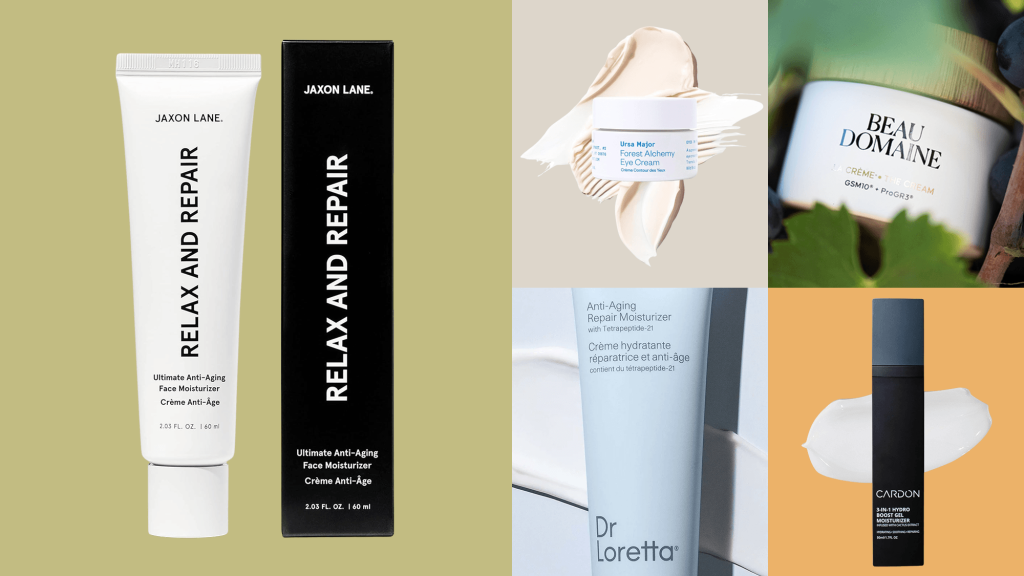
These varied approaches to facial care emphasize how cultural heritage fundamentally shapes our perception of beauty and skin health. Exploring these practices inspires a deeper understanding of self-care that goes beyond skin deep. As the world becomes increasingly interconnected, the opportunity to learn from other cultures enriches our own beauty routines, encouraging us to appreciate the vast array of methods that celebrate personal care. Join us on this journey of discovery, as we navigate through these global influences on facial care and their implications for our daily lives.
LEARN MORE: Click here to discover the best foods for your skin health
Global Traditions Shaping Facial Care Practices
As we explore the diverse landscape of facial care routines, it’s essential to acknowledge how cultural backgrounds shape the products and techniques adopted in different regions. From ingredient selection to application methods, each cultural practice reflects a unique amalgamation of history, availability of natural resources, and societal values regarding beauty and self-care. Let’s take a closer look at some notable regions and their distinctive facial care traditions that continue to influence consumers in the United States.
The Art of Chinese Facial Care
In traditional Chinese medicine, the approach to skincare is deeply rooted in holistic health principles. Chinese beauty rituals often focus on restoring balance to the body, believing that skin health is a reflection of one’s internal wellbeing. Key practices include:
- Herbal Applications: Ingredients such as goji berries and ginseng are valued for their antioxidant properties and are often infused into facial products.
- Facial Gua Sha: This ancient technique uses a smooth-edged tool to gently scrape the skin, promoting blood flow, reducing puffiness, and enhancing the lymphatic drainage process.
- Qi Regulation: The concept of “Qi” or life energy plays a significant role in Chinese traditions, with routines often designed to enhance the flow of energy through the body and face.
This ancient wisdom has started to find its way into American beauty routines as a more mindful approach to skincare, stressing the importance of internal health as a pathway to a radiant complexion.
Middle Eastern Rituals: Natural Elegance
In the Middle East, facial care is often steeped in traditions that celebrate natural ingredients and heritage practices. The use of oils and natural extracts is prevalent, with staples like:
- Argan Oil: Often referred to as “liquid gold,” this oil is rich in vitamin E and essential fatty acids, making it a popular moisturizer in many Middle Eastern countries.
- Rosewater: Renowned for its soothing properties, rosewater is frequently used for cleansing and toning, offering a fragrant and delicate approach to care.
- Black Seed Oil: Known for its healing properties, this oil is both ingested for health benefits and applied topically to improve skin quality.
This inclination towards natural ingredients speaks not only to a beauty preference but also underscores a cultural inclination towards sustainable and simple solutions, aspects that are resonating with increasingly environmentally-conscious consumers in the U.S.
Latin American Traditions: Nature’s Bounty
In Latin America, the rich biodiversity and ancient practices offer a plethora of effective facial care solutions. Many populations utilize ingredients that are indigenous to their regions, including:
- Aloe Vera: Widely used for its healing properties, this plant not only soothes sunburns but also hydrates the skin.
- Honey: A staple in many Latin American cultures, honey is revered for its antibacterial qualities, often featured in masks and scrubs to keep skin clear and bright.
- Cacao: Beyond its culinary uses, cacao is used in facial masks due to its rich antioxidant content, promoting healthy skin and a youthful appearance.
Latin American skincare practices, with their emphasis on the natural environment and community wisdom, underscore a connection to ancestry that continues to enchant beauty enthusiasts globally.
These rich traditions and diverse rituals are a testament to how culture influences facial care, providing a treasure trove of practices and ingredients that have stood the test of time. As consumers in the United States increasingly turn to global markets and diverse product lines, understanding these cultural landscapes offers not only beauty solutions but also a deeper appreciation of heritage across the world.
Cultural Influences on Facial Care Routines: A Look at Global Practices and Traditions
The world of facial care routines is as diverse as the cultures that create them. Each culture presents its own unique practices and traditions that have been passed down through generations. This exploration delves into some fascinating practices globally that highlight the impact of cultural heritage on skincare.
| Cultural Tradition | Advantages |
|---|---|
| Japanese Camellia Oil | Deep hydration and skin elasticity are enhanced, thanks to the high oleic acid content. |
| Korean 10-Step Routine | Combines cleansing, exfoliation, and moisturizing for skin that glows with health. |
| Indian Turmeric Masks | Natural anti-inflammatory properties promote a clear, radiant complexion. |
| Moroccan Argan Oil | Rich in Vitamin E, this oil nourishes while combating signs of aging. |
These examples illustrate how cultural influences shape daily skincare rituals. By appreciating traditions such as Japanese beauty standards focusing on natural ingredients, or Korean multi-step routines emphasizing thoroughness, an individual can not only enhance their beauty practices but gain insights into broader health perspectives across cultures. The traditional uses of locally sourced ingredients like turmeric in India show that nature offers myriad resources beneficial for facial care.
Incorporating these global traditions can elevate one’s skincare routine beyond mere aesthetics, fostering a deeper connection to the rich history and values these practices represent. As we navigate through these cultural waters, the merging of beauty with tradition comes into clearer focus, inviting everyone to cultivate their ideal skincare regimen.
DISCOVER MORE: Click here for insights on how diet affects your skin
Emerging Trends in Global Facial Care Practices
The world of skincare is continuously evolving, with cultural practices influencing not only routine formulations but also innovating new trends that resonate globally. As consumers become more educated about the benefits of various ingredients, the beauty market is undergoing a transformation fueled by these multicultural insights. Exploring these global influences gives American consumers additional options while providing deeper connections to universal human experiences in self-care.
Japanese Minimalism: The Power of Simplicity
In Japan, the skincare philosophy is largely founded on the principles of simplicity and minimalism, prioritizing quality over quantity. The famed K-Beauty trend has introduced several Japanese practices into the mainstream market, appealing to those seeking efficient and effective solutions. Notable elements of Japanese facial care include:
- Double Cleansing: This technique involves using an oil-based cleanser followed by a water-based one to ensure that skin is thoroughly cleansed without stripping away its natural moisture.
- Essences: These lightweight, hydrating products bridge the gap between toners and serums, boosting the skin’s moisture levels and prepping it for subsequent treatments.
- Sun Protection: Japanese culture places strong emphasis on UV protection, leading to the development of lightweight sunscreens designed specifically for daily use, a practice gaining traction in the United States.
This fusion of traditional practices with contemporary needs reflects a return to simpler skincare routines that emphasize health and proactive care.
North African Methods: The Tradition of Hammam
The Hammam, a traditional Moroccan steam bath, plays a vital role in the facial care practices of North Africa. Within this revered space, the techniques used for skincare are as much about ritual as they are about cleansing. Essential components include:
- Gommage: This exfoliation process employs a special glove used to remove dead skin effectively, promoting a smoother and fresh complexion.
- Rhassoul Clay: A mineral-rich clay traditionally harvested from Morocco, rhassoul is used in facial masks to absorb impurities and nourish the skin.
- Essential Oils: Rich and aromatic therapeutic oils are often incorporated into Hammam treatments for their moisturizing effects and ability to relax both the mind and body.
The communal aspect of Hammam rituals not only enhances personal care but also strengthens social ties, emphasizing the significance of holistic well-being in North African culture. As the awareness of mental and emotional health becomes increasingly relevant, the Hammam’s complete approach to beauty and wellness offers insights worth exploring by American consumers.
The Rise of Ayurvedic Skincare Practices
With a history that stretches back thousands of years, Ayurveda is gaining traction in the West as a holistic approach to health and beauty. Originating in India, Ayurvedic facial care focuses on harmonizing the body and mind through personalized treatments based on one’s specific dosha, or body type. Common practices include:
- Custom-blended Oils: The use of individual oils like coconut, sesame, or almond for specific skin types exemplifies personalized care in Ayurveda.
- Facial Massage: Known as “Abhyanga,” this lymphatic drainage technique promotes relaxation and nourishment while improving blood circulation in the facial region.
- Herbal Infusions: Ingredients like turmeric and neem are commonplace in Ayurvedic formulations, offering significant anti-inflammatory and antibacterial properties.
The holistic nature of Ayurvedic skincare appeals to consumers looking for alternative routes to address skincare concerns while achieving an overall sense of balance.
In conclusion, the examination of global facial care traditions reveals a tapestry rich with cultural significance and practical solutions. With the growing interest in plant-based and natural products, the influence of these diverse traditions encourages American consumers to rethink their skincare rituals, making room for ancient wisdom in modern beauty routines.
DIVE DEEPER: Click here to learn more
Conclusion
In exploring the rich landscape of global facial care routines, it is evident that cultural influences impart not only unique methods but also transformative philosophies that can enhance our understanding of self-care. From the simplicity embraced in Japanese minimalism to the communal practices found in North African Hammam rituals, and the holistic approaches of Ayurvedic skincare, these traditions emphasize the importance of both physical and mental well-being. As awareness of the interconnectedness of beauty and health grows, American consumers are increasingly drawn to these diverse practices, seeking authentic connections to their own skincare regimes.
Furthermore, the infusion of ancient wisdom into modern trends encourages a dynamic dialogue between cultures, transforming our perception of beauty standards and skincare efficacy. While American markets have previously favored quick-fix solutions, the rising popularity of culturally-rooted practices highlights a shift towards more thoughtful and nourishing approaches. This evolution not only promotes healthier skin but fosters a broader appreciation for global diversity and shared human experiences.
As we look to the future, there lies an immense opportunity for individuals to embrace a more global perspective on facial care. By integrating various cultural practices into daily routines, we can enrich our skincare rituals, celebrate the wisdom of different traditions, and redefine beauty through a more inclusive lens. It is through this intercultural exchange that we can cultivate a deeper engagement with our own personal care, paving the way for a more holistic and fulfilling approach to beauty.
Related posts:
Exploring the Benefits of Facial Masks: Types, Ingredients, and Application Tips
The Importance of a Daily Facial Care Routine: Steps for Every Skin Type
The Impact of Diet on Facial Skin Health: Foods That Nourish and Protect
The Role of SPF in Facial Care: How to Protect Your Skin from Sun Damage
Exploring the Rise of At-Home Facial Treatments: DIY Techniques for Radiant Skin
Seasonal Facial Care: Adjusting Your Routine for Changing Weather Conditions

Beatriz Johnson is a seasoned skincare specialist and writer with a passion for simplifying the complexities of beauty science and skincare routines. With over a decade of experience in the aesthetics industry, she specializes in topics like ingredient efficacy, anti-aging strategies, and global beauty trends. Through her work, Beatriz empowers readers to make informed skincare choices and stay ahead in the ever-evolving world of beauty and wellness.