
Exploring the Benefits of Facial Masks: Types, Ingredients, and Application Tips

Unlocking Skincare Secrets
In a world where skincare routines often take center stage, facial masks emerge as a powerful ally. These versatile products offer a multitude of benefits, from hydration to detoxification. As the popularity of facial masks rises, understanding their types, ingredients, and application tips becomes crucial in reaping their full rewards.
The Variety of Facial Masks
Facial masks come in various forms, each tailor-made to address specific skin concerns. Some popular types include:
- Cream Masks: These thicker formulations are particularly effective for individuals with dry skin, as they deeply nourish and restore moisture. Ingredients like shea butter and almond oil make these masks a go-to for a soothing experience.
- Clay Masks: Renowned for their ability to absorb excess oil and unclog pores, clay masks are ideal for oily and acne-prone skin types. Variants like bentonite or kaolin clay not only help control shine but also provide gentle exfoliation.
- Sheet Masks: Convenient and user-friendly, these fabric masks are soaked in a concentrated serum, targeting various concerns such as hydration, brightening, or anti-aging. They’re perfect for on-the-go skincare lovers or for a quick refresh before an event.
With each mask, unique ingredients play a vital role in delivering desired results. Consider looking for:
- Hyaluronic Acid: This hydrating powerhouse draws moisture into the skin, making it appear plump and youthful. It’s particularly beneficial for those exposed to dry conditions or cold weather.
- Charcoal: Known for its detoxifying properties, activated charcoal works to draw out impurities and toxins, leaving the skin clear and rejuvenated. It’s especially effective for people dealing with urban pollution.
- Vitamin C: Celebrated for its brightening and anti-aging benefits, Vitamin C helps combat uneven skin tone and promotes a radiant complexion. Regular use can also help reduce the appearance of fine lines.
Application Tips for Maximum Impact
To ensure you’re receiving the full benefits of your chosen facial masks, consider implementing these essential application tips:
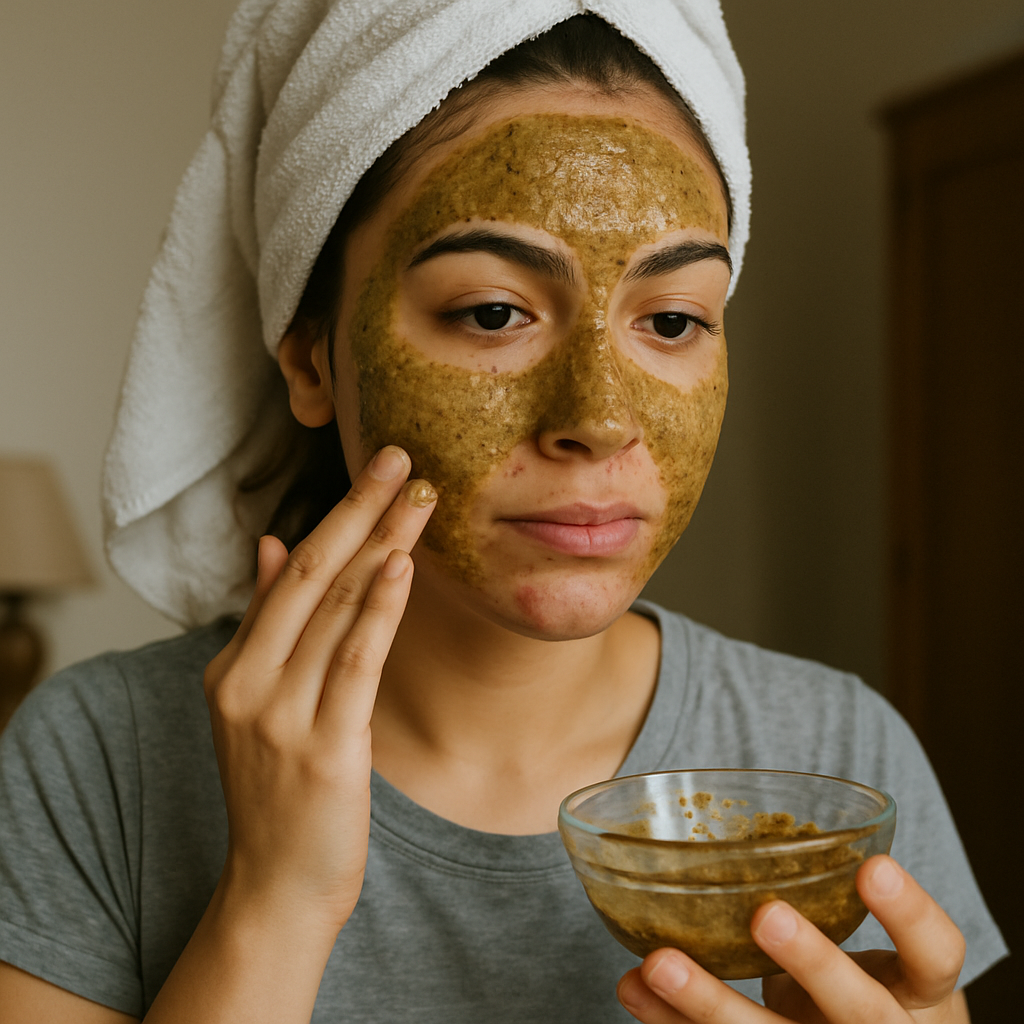
- Always start with a clean face. This step prepares your skin to absorb the mask’s active ingredients effectively.
- Follow the recommended application time for each specific mask. Overuse or prolonged application can sometimes lead to irritation rather than enhancement.
- Incorporate masks into your routine 1-3 times weekly, depending on your skin’s specific needs and goals. Variability in mask type can also be beneficial and equalize your routine.
Ready to dive deeper into the benefits of facial masks? By learning how to choose the right type and incorporate it correctly into your regimen, your journey towards glowing, revitalized skin is just beginning. Personalizing your skincare routine can lead to transformative results, paving the way for a more radiant you!
DISCOVER MORE: Click here to enhance your skincare routine
Diving into Facial Mask Types
When it comes to selecting a facial mask, the variety available can be quite staggering. Each type caters to different skin concerns and offers unique benefits, making it essential to choose wisely. Understanding the categories helps in tailoring a skincare regimen that works best for your individual needs. Here’s a closer look at some of the most common types of facial masks:
- Peel-Off Masks: Ideal for those seeking a deep cleanse, peel-off masks adhere to the skin and remove dirt and dead cells when peeled away. Formulated with ingredients like salicylic acid, these masks are particularly effective for minimizing the appearance of pores and controlling breakouts.
- Sleeping Masks: Perfect for the busy individual, sleeping masks are left on overnight for intensive hydration. Containing nourishing ingredients like collagen or avocado oil, they work overnight while you rest, providing a boost of moisture for a fresh morning glow.
- Exfoliating Masks: These masks often contain alpha hydroxy acids (AHAs) or beta hydroxy acids (BHAs) that gently slough off dead skin cells. By performing chemical exfoliation, they leave the skin smoother and brighter, making them an excellent choice for dull or uneven skin tones.
- Specialized Treatments: Some masks target very specific skin issues, such as rosacea or extreme dryness. For example, masks with ingredients like aloe vera reduce inflammation while hydrating the skin, making them suitable for sensitive skin types.
In addition to understanding the types of facial masks, it’s equally important to consider their active ingredients. These components play a crucial role in the effectiveness of the mask you select. Look for:
- Retinol: This vitamin A derivative is well-known for its anti-aging properties. It helps stimulate collagen production, reducing the appearance of fine lines and enhancing skin texture.
- Tea Tree Oil: Renowned for its antibacterial properties, this ingredient is a favorite among those with acne-prone skin. Its potent nature can help reduce inflammation and prevent future breakouts.
- Antioxidants: Ingredients like green tea extract and resveratrol are known for fighting free radicals, which can oxidize skin cells and lead to premature aging. Incorporating masks with these antioxidants can enhance your skin’s health.
With a comprehensive understanding of the various types of masks and their beneficial ingredients, the next crucial step is knowing how to apply them effectively. A proper application method maximizes results, ensuring your skin receives all the nourishment and care it deserves.
Exploring the Various Types of Facial Masks
Facial masks have gained immense popularity in skincare routines for their ability to provide targeted treatment and rejuvenation for the skin. When delving into the world of facial masks, it’s essential to understand the different types available, as well as their unique advantages. Below is a well-structured table highlighting key categories and their benefits:
| Type of Mask | Benefits |
|---|---|
| Clay Masks | Detoxify the skin by drawing out impurities and excess oil, making it ideal for oily and acne-prone skin. |
| Sheet Masks | Provide hydration and nourishment through concentrated serums, delivering visible results in just minutes. |
The Role of Ingredients in Facial Masks
The efficacy of facial masks greatly depends on the ingredients they contain. Here are a few key ingredients commonly found in various masks:- Hyaluronic Acid: Known for its hydrating properties, it helps retain skin moisture, providing a plump appearance.- Charcoal: This powerful ingredient aids in detoxification by absorbing toxins and impurities from the skin.- Vitamin C: Known for its brightening effect, it can enhance skin tone and reduce dark spots when incorporated into masks.These ingredients not only improve skin health but also cater to specific skin concerns, from hydration to oil control. As you explore the vast options available, remember that understanding your skin type and concerns will guide you in choosing the most effective facial mask suited to your needs.
Application Tips for Maximizing Your Treatment
To achieve the best results from facial masks, consider these application tips:1. Prep Your Skin: Always start with a clean face to ensure that the mask penetrates effectively.2. Follow Instructions: Adhere to the recommended application time to avoid irritation or diminishing returns.3. Incorporate into Routine: Use masks consistently, ideally once to twice a week, for noticeable improvements.Whether you are looking to hydrate, detoxify, or rejuvenate your skin, facial masks can be a potent addition to your skincare arsenal. By appreciating the variety of works that exist, along with their beneficial ingredients and practical application tips, you can transform your skincare experience into one that not only beautifies but also nourishes your skin profoundly.
DIVE DEEPER: Click here for expert tips on adjusting your skincare routine
Mastering the Application Technique
Once you’ve selected the right facial mask for your skin type and concerns, the next step is mastering the application technique to achieve optimal results. An effective application not only enhances the mask’s benefits but also contributes to an enjoyable self-care ritual. Here’s a detailed guide on how to apply your facial mask correctly:
Preparing Your Skin
Before applying any facial mask, it’s essential to prepare your skin to maximize the absorption of active ingredients. Start by cleansing your face with a gentle exfoliating cleanser to remove dirt, oil, and makeup. This step ensures that your mask can penetrate effectively. Following this, a gentle toner can help to balance pH levels and refresh the skin, making it more receptive to treatment.
Application Techniques
Depending on the type of mask you’re using, there are various application methods to consider:
- Brush Method: For cream or clay masks, using a soft brush can facilitate an even and precise application. It helps avoid overusing product and ensures nice coverage on your face.
- Fingertip Application: Gels and peel-off masks can usually be applied by hand. Make sure to use clean fingers and apply the product in upward circular motions to promote circulation while avoiding tugging at the skin.
- Mask Sheets: If you’re working with a sheet mask, first open the package and carefully unfold the mask. Place it on your face, ensuring all areas are covered. Smooth it out gently to eliminate air bubbles for optimal contact.
Timing Is Everything
While facial masks offer tremendous benefits, timing matters significantly. Most masks recommend a specific duration for effectiveness, typically ranging from 10 to 30 minutes. It’s key to adhere to these instructions; leaving a mask on for too long, particularly clay or peel-off masks, can lead to dryness or irritation. On the other hand, not leaving it on long enough may result in underwhelming results.
Mind the Removal Process
Removing your mask is just as important as putting it on. For peel-off masks, gently start at the edges and pull away slowly to avoid any tugging on the skin. Rinse masks should be removed using lukewarm water with a soft cloth or your hands, ensuring no residue remains. After removing the mask, apply a hydrating toner or moisturizer to seal in the benefits you’ve just imparted to your skin.
Frequency of Use
Understanding how often to use your facial mask is crucial to your skincare routine. A common recommendation is to use a mask 1-2 times a week, depending on your skin type and the mask’s intensity. For instance, if you have oily skin and tend to experience breakouts, using a clay mask twice a week may help control oil levels. Conversely, those with drier skin types may opt for hydrating masks every other week to avoid over-drying.
Customizing Your Routine
Since different masks offer varied benefits, consider alternating between different types based on your skin’s immediate needs. A combination of exfoliating masks during the week and a hydrating sleeping mask on weekends can create a well-rounded regimen. This customized approach empowers you to address specific skin concerns dynamically and effectively.
By approaching facial masks with informed choices and mastery in technique, you can elevate your skincare game significantly, entering a realm of dynamic health and exuberance for your skin.
DISCOVER MORE: Click here to adjust your skincare routine
Conclusion
In the realm of skincare, facial masks serve as one of the most versatile and rewarding treatments available. By understanding the various types of masks that cater to different skin concerns, you empower yourself to optimize your skincare routine effectively. Whether you’re alleviating dryness with a hydrating mask, managing breakouts with clarifying formulas, or simply indulging in the relaxing benefits of a soothing cream mask, knowing how to choose the right ingredients is a pivotal aspect of achieving desired results.
Moreover, the application technique you employ is just as critical. The preparation of your skin, appropriate application methods, and adherence to recommended timings can significantly influence the outcome of your masking session. Don’t overlook the importance of a thorough removal process, as this step is essential to ensuring that your skin reaps the full benefits of the mask.
As you navigate this journey, remember that frequency of use and customizing your routine according to your skin’s ever-changing needs are key factors in ensuring ongoing success. By incorporating masks into your regimen thoughtfully and regularly, you can unlock the remarkable benefits that enhance not only the appearance of your skin but also foster a deeply satisfying self-care ritual.
In conclusion, facial masks are not merely an indulgence but rather an essential component of a well-rounded skincare strategy. So why not explore the abundant possibilities that await? Your journey towards radiant skin begins with just a simple mask away.
Related posts:
Facial Care for Different Ages: Tailoring Your Routine from Teens to Seniors
Seasonal Facial Care: Adjusting Your Routine for Changing Weather Conditions
The Influence of Stress on Facial Skin: How to Combat Breakouts and Dullness
Exploring the Rise of At-Home Facial Treatments: DIY Techniques for Radiant Skin
The Science Behind Skincare Ingredients: What to Look for in Your Facial Care Products
Cultural Influences on Facial Care Routines: A Look at Global Practices and Traditions

Beatriz Johnson is a seasoned skincare specialist and writer with a passion for simplifying the complexities of beauty science and skincare routines. With over a decade of experience in the aesthetics industry, she specializes in topics like ingredient efficacy, anti-aging strategies, and global beauty trends. Through her work, Beatriz empowers readers to make informed skincare choices and stay ahead in the ever-evolving world of beauty and wellness.