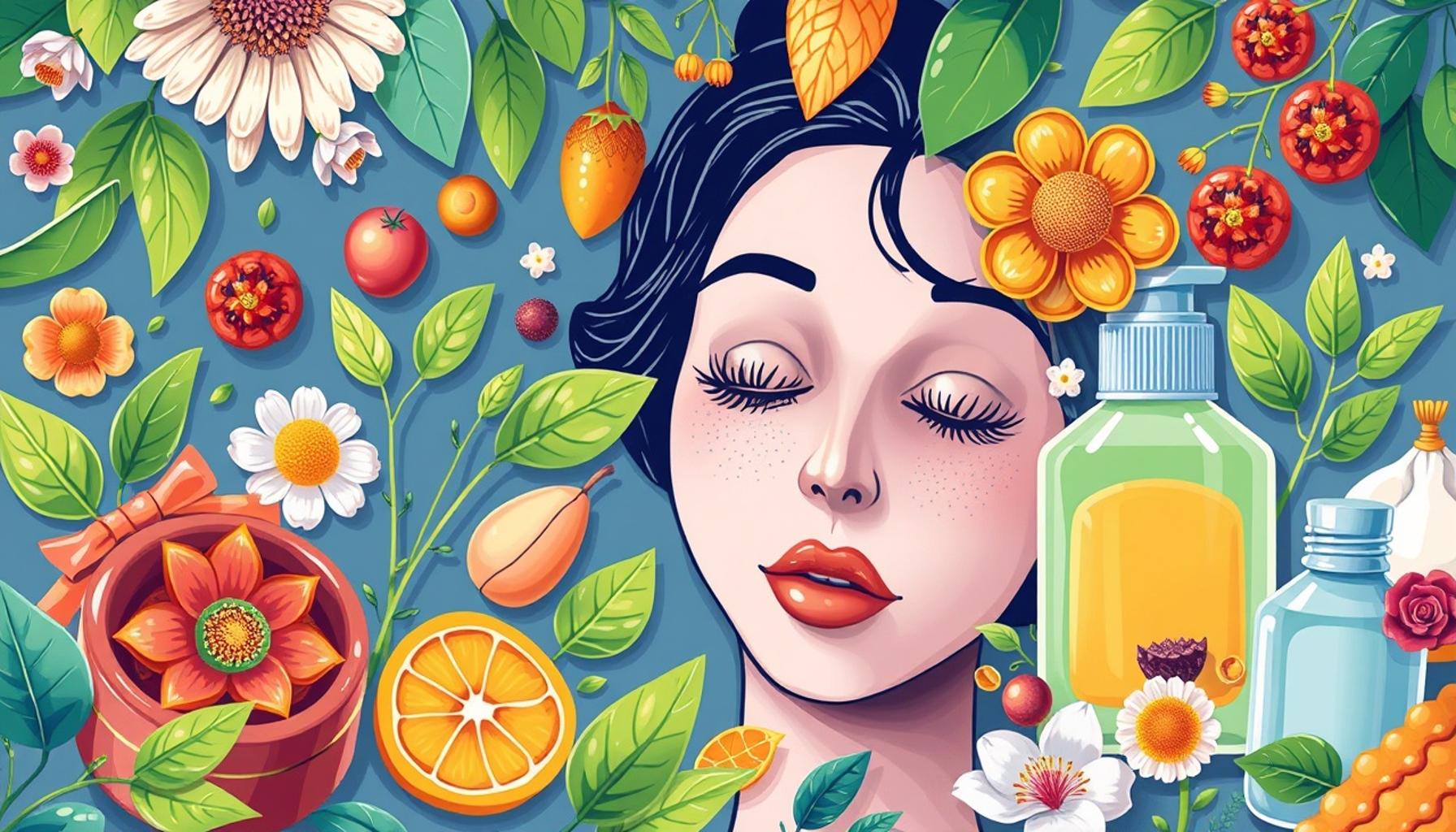
How Stress Affects Skin Health and Tips to Combat It

The Effects of Stress on Skin Health: An In-Depth Look
In today’s fast-paced society, stress is often considered a daily norm, impacting not just mental health but skin health as well. Studies have shown that stress triggers hormonal changes, most notably an increase in cortisol levels, which can lead to a variety of skin issues that range from mild to severe. Becoming aware of these implications is vital for individuals seeking to maintain not only a resilient mind but also a radiant complexion.
When the body experiences stress, it prompts the skin’s sebaceous glands to produce excess oil. As a result, individuals may notice an uptick in oily skin, leading to clogged pores and ultimately, acne breakouts. This phenomenon can be particularly troubling during stressful periods—like finals week for students or intense work deadlines—making it imperative to navigate stress effectively to protect one’s skin.
- Increased Oil Production: Elevated stress levels are linked to higher production of sebum, which can contribute to acne. This is particularly concerning for teenagers and young adults who may already deal with hormone fluctuations. It becomes even more challenging when stress occurs during pivotal moments in life, such as during college admissions or job interviews, when first impressions can be heavily reliant on skin appearance.
- Inflammation: Individuals suffering from skin conditions like eczema and psoriasis may find that stress exacerbates their symptoms. Stress can lead to flare-ups, resulting in uncomfortable and unsightly patches that can further impact self-esteem. Many individuals often report a correlation between their mental stress and the severity of psoriasis or eczema symptoms.
- Premature Aging: Chronic stress can also accelerate the aging process of the skin. Research shows that prolonged high levels of cortisol may lead to collagen breakdown, contributing to a rapid appearance of fine lines and wrinkles. This phenomenon can be alarming as individuals may see their youthful glow diminishing much earlier than expected, leading to feelings of insecurity and frustration.
Recognizing how stress impacts your skin can empower you to identify and manage personal triggers more effectively. For some, simple mindfulness practices like yoga and meditation, which have gained popularity in the United States, offer ways to reduce stress levels and improve overall skin health. Nutrition also plays a key role; incorporating foods rich in antioxidants, such as berries and leafy greens, can help combat inflammation and promote healing.
However, combatting the effects of stress is not solely reliant on skincare products or practices. Lifestyle adjustments—such as prioritizing sleep, engaging in regular physical activity, and maintaining social connections—are essential to nurture both your mind and body. This holistic approach not only seeks to alleviate stress but also actively promotes healthier skin as a result.
In the following sections, we will delve deeper into practical strategies to manage stress effectively, providing insights to help you reclaim your radiance and bolster your skin health in the process. Stay tuned to uncover more about the intricate relationship between stress and skin wellness.
DIVE DEEPER: Click here for essential eye makeup tips!
Understanding the Link Between Stress and Skin Disorders
As the fast-paced demands of modern life continue to escalate, the connection between stress and skin health becomes increasingly evident. Stress is not merely a psychological experience; its effects are deeply physiological, leaving an imprint on our body’s largest organ—the skin. The knowledge of how stress manifests in skin disorders is essential for anyone looking to maintain a healthy complexion amidst life’s challenges.
One of the primary ways stress affects the skin is through hormonal imbalances, particularly the elevation of cortisol. This stress hormone, when released in excess, not only heightens oil production but also leads to a cascade of other skin responses. For example, increased cortisol can impair the skin’s ability to repair itself, leading to a cycle of damage that can manifest as various skin conditions.
Common Skin Conditions Linked to Stress
Recognizing the specific skin conditions exacerbated by stress can empower individuals to take proactive measures in their skincare routines. Here are some common issues you may encounter:
- Acne: Stress-induced hormonal changes lead to increased sebum production, creating the perfect environment for acne to thrive. This situation is often worsened during stressful events, such as exams or work presentations, where skin appearance can feel doubly important.
- Eczema: Those with sensitive skin often note a relationship between stress and flare-ups of eczema. This chronic condition can become inflamed and itchy, further distracted by the pressures of everyday life.
- Psoriasis: Another condition that showcases the skin’s susceptibility to stress, psoriasis can lead to severe itching and scaling. Many individuals report more aggressive flare-ups during emotionally taxing periods.
- Rosacea: Chronic stress may also trigger this common skin condition characterized by redness and visible blood vessels. The emotional turmoil from stress can cause significant physical reactions in the skin.
While these conditions can seem insurmountable, understanding their origins is the first step toward managing them effectively. The nervous system’s reaction to stress not only influences hormonal function but can also trigger inflammation within the skin, contributing to a cyclic pattern of irritation and worsening symptoms.
To break this cycle, it is crucial to incorporate stress management techniques into your daily routine. Practices such as mindfulness meditation or deep-breathing exercises can significantly reduce cortisol levels and improve overall skin appearance. Additionally, incorporating a balanced diet rich in vitamins and antioxidant-rich foods may strengthen the skin’s resilience against stress-induced damage.
Recognizing the integral relationship between stress and skin health not only prompts greater awareness but allows for meaningful changes to be made. In the sections to follow, we will explore additional practical tips for combating stress and its effects on skin health, ultimately aiding you in achieving a vibrant complexion.
Understanding the Connection Between Stress and Skin Health
Stress is a powerful trigger that can manifest in various ways on our skin. When the body experiences stress, it releases hormones such as cortisol and adrenaline, leading to increased oil production and inflammation. This reaction can trigger or exacerbate existing skin conditions, such as acne, eczema, and psoriasis. Furthermore, stress may also lead to behaviors that negatively impact skin health, such as increased smoking, excessive alcohol consumption, and neglecting skincare routines.
Key Impacts of Stress on Skin Conditions
One of the direct effects of stress is its contribution to *skin dehydration*. When stressed, our body prioritizes vital functions, leaving the skin undernourished and dry. This can accelerate the aging process and result in a dull appearance. In addition, stress often leads to poor sleeping patterns, which can further diminish skin vitality, reducing its ability to repair and regenerate overnight. Thus, during high-stress periods, you might notice more visible wrinkles and tired skin.Moreover, stress can trigger flare-ups of conditions like rosacea and psoriasis, conditions characterized by redness, inflammation, and discomfort. Individuals suffering from these conditions often find that their symptoms worsen significantly when experiencing heightened stress levels. The *mind-skin connection* is real and cannot be overlooked; thus, managing stress is crucial for maintaining healthier skin.
Effective Tips to Combat Stress and Improve Skin Health
1. Practice Mindfulness and Meditation: Regular meditation can significantly reduce stress levels and create a sense of calm. Mindfulness practices help you connect with your body, promoting relaxation, which benefits both mental health and skin conditions.2. Maintain a Consistent Skincare Routine: A consistent skincare regimen not only promotes a healthy complexion but can also be a form of self-care that lowers stress. Cleanse, hydrate, and protect your skin daily to combat the effects of stress.3. Stay Hydrated: Drink plenty of water throughout the day to keep your skin well-hydrated. Proper hydration is essential for maintaining skin elasticity and combating dryness.4. Exercise Regularly: Physical activity improves circulation, which enhances nutrient delivery to the skin. It helps reduce stress while promoting a glowing complexion due to improved blood flow.By implementing these strategies, you can reduce the negative impact of stress on your skin while promoting overall well-being. Remember, taking care of your mental health is just as essential as looking after your skin.
| Category | Advantages |
|---|---|
| Stress-Induced Skin Issues | Increased oil production and inflammation leading to acne and flare-ups. |
| Effects of Poor Sleep | Dull appearance and accelerated aging due to lack of skin repair. |
| Behavioral Impacts of Stress | Neglect of skincare and increased consumption of harmful substances. |
DISCOVER MORE: Click here for the latest sustainable makeup trends
Effective Strategies to Mitigate Stress and Enhance Skin Health
Stress management is not just about alleviating psychological tension; it is a holistic approach that can have profound effects on your skin’s health. The integration of effective strategies into your daily life can fortify your skin’s defense against the detrimental effects of stress. Here are practical and impactful methods to consider:
1. Incorporating Daily Exercise
Physical activity is one of the most powerful stress-relievers available. Engaging in exercise releases endorphins, which are natural mood lifters. Moreover, it can enhance blood circulation, enabling oxygen and nutrients to nourish the skin effectively. Studies suggest that just 30 minutes of moderate exercise, such as walking, cycling, or yoga, can significantly reduce cortisol levels and promote a clearer complexion.
2. Embracing Skincare Rituals
Establishing a consistent skincare routine can serve as a form of self-care that simultaneously addresses skin concerns exacerbated by stress. Consider implementing a regimen that includes:
- Gentle Cleansing: Utilize a mild cleanser to avoid stripping the skin of its natural oils, which can worsen irritation and dryness.
- Moisturization: Choose a quality moisturizer to keep the skin hydrated and maintain its barrier function, combatting stress-related dryness.
- Targeted Treatments: Use products containing niacinamide or hyaluronic acid to calm inflammation and improve skin texture.
Creating a ritualistic moment for skincare not only benefits the skin but also promotes a sense of calm and routine amidst chaos.
3. Nutrition: The Skin’s Healing Power
The foods we consume play a crucial role in how our skin responds to stress. Incorporating a balanced diet rich in omega-3 fatty acids, antioxidants, and vitamins can reinforce skin health. Consider including the following:
- Fatty Fish: Salmon and sardines are excellent sources of omega-3s, known to combat inflammation.
- Fruits and Vegetables: Berries, spinach, and avocados are packed with vitamins and antioxidants that support skin repair and resilience.
- Probiotics: Foods like yogurt and fermented vegetables can improve gut health, which has been linked to better skin health.
Harnessing the power of a nutrient-rich diet creates benefits that radiate from the inside out.
4. Practicing Mindfulness and Relaxation Techniques
Implementing practices such as mindfulness meditation, deep-breathing exercises, and progressive muscle relaxation can help alleviate stress significantly. Mindfulness involves focusing on the present moment, helping to clear anxiety-ridden thoughts that impact skin health. Research shows that just a few minutes of deep breathing each day can not only lower stress but also reduce the intensity of conditions like acne and rosacea.
5. Prioritizing Sleep
Quality sleep is often overlooked but plays a critical role in stress management and skin health. Lack of sleep can elevate cortisol levels, leading to inflammation and a host of skin issues. Establishing a regular sleep schedule, along with relaxation techniques before bed—such as reading or practicing gratitude—can enhance sleep quality. Aiming for 7-9 hours of uninterrupted sleep is vital for optimal skin rejuvenation and stress reduction.
Each of these strategies not only works independently but collectively creates a synergistic effect, reducing stress and improving skin health. By proactively addressing the implications of stress on skin, you are paving the way for a healthier, more vibrant appearance that reflects inner well-being.
DON’T MISS: Click here to discover budget-friendly makeup tips for your next party
Conclusion: Nurturing Your Skin from Stress
Understanding how stress affects skin health is crucial for those seeking a vibrant complexion and overall well-being. The mind-body connection plays a significant role in our appearance, and acknowledging the impact of emotional and psychological stress can lead to proactive management that benefits our skin. As we’ve explored, factors such as cortisol production can exacerbate skin conditions like acne and eczema, leading to challenges that many face daily.
However, the good news is that we are not powerless against these effects. Embracing a comprehensive approach to combat stress—through daily exercise, mindful skincare routines, nutritious diets rich in omega-3 fatty acids and antioxidants, relaxation techniques, and prioritizing sleep—can create protective barriers for our skin against the ravages of stress. Each strategy contributes to both psychological relief and physical rejuvenation, emphasizing the importance of holistic self-care.
Ultimately, it’s about creating a balanced lifestyle that recognizes the interplay between mental health and skin vitality. As you implement these strategies into your routine, consider them not only as remedies for stress but as gifts to yourself that enhance your overall health. By nurturing your skin with these practices, you can combat distress effectively and cultivate a glow that reflects your inner calm.
For anyone struggling with stress-related skin issues, remember that professional consultation with a dermatologist may offer tailored solutions. Your path to resilience and radiant skin starts today—let each small change be a step toward rejuvenation.