Medicinal Herbs and Their Effects on the Skin: How to Integrate Them into Your Beauty Routine
Discover the Power of Nature
As the beauty industry evolves, many are turning back to nature for solutions—specifically, medicinal herbs. These time-tested ingredients are rich in beneficial properties that can transform your skin health and help create a radiant complexion. Unlike many synthetic beauty products flooded with chemicals, medicinal herbs offer a more holistic approach to skincare, fostering a connection between personal well-being and the natural world around us.
Why Consider Medicinal Herbs?
Incorporating medicinal herbs into your beauty routine can offer numerous advantages, appealing to both health-conscious individuals and those looking for effective skincare solutions:
- Antioxidant protection to combat free radicals, which are unstable molecules that can lead to premature aging and skin damage. For instance, herbs like rosemary and green tea are known for their high antioxidant levels, which help to neutralize these harmful molecules.
- Anti-inflammatory effects for soothing irritated skin. This is particularly beneficial for those fighting acne or experiencing conditions like eczema and rosacea. Herbs such as turmeric and gotu kola excel in reducing redness and promoting healing.
- Natural hydration for maintaining moisture balance in the skin. Ingredients like hyaluronic acid are well-known, but herbal alternatives like comfrey and linden can provide deep hydration without the use of synthetic additives.
Popular Medicinal Herbs for Skin Care
Curious which herbs pack a punch for your skin? Here are a few to consider, each with unique properties that cater to different skin concerns:
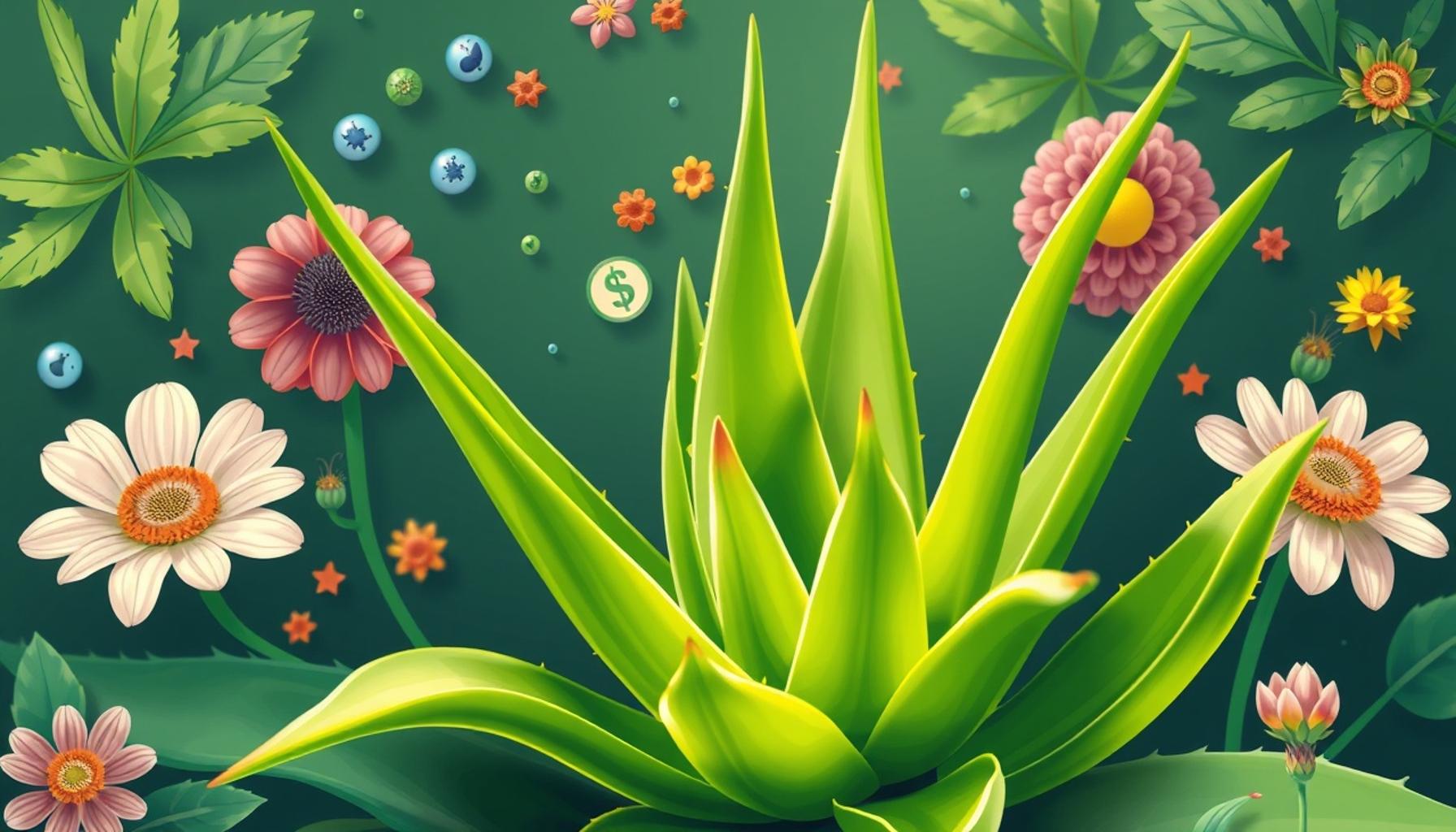
- Aloe Vera—renowned for its hydration and healing properties, aloe vera is a staple in many skincare routines. This succulent is particularly effective for sunburn relief and creates a protective barrier on the skin to lock in moisture.
- Calendula—an exceptional herb for reducing inflammation and promoting skin healing. Its antiseptic properties make it ideal for treating minor cuts and irritations, often found in creams that focus on calming sensitive skin.
- Chamomile—perfect for calming sensitive skin and is known for its soothing qualities. Used in various skincare products, chamomile is often praised for its ability to reduce redness and promote an even skin tone.
By embracing these natural ingredients, you can enhance your beauty routine while promoting overall skin health. This journey into the world of medicinal herbs is not just about aesthetics; it’s also about nourishing your skin from the inside out. Additionally, using locally sourced herbs can further benefit your community and reduce environmental impact. As we continue to explore the bountiful resources nature provides, the potential for achieving healthier, more radiant skin seems limitless. So, why not delve into the magic of medicinal herbs and transform your skincare routine today?
DISCOVER: Click here to uncover the impact of diet on skin aging
Unlocking the Benefits of Medicinal Herbs for Skin Care
As the demand for natural beauty solutions surges, the spotlight falls on medicinal herbs—nature’s arsenal for skin health. These vibrant plants have been utilized for centuries not only in traditional medicine but also in modern skincare formulations. By understanding their unique properties and how to incorporate them into your daily routine, you can take significant strides toward achieving luminous skin.
The Science Behind Medicinal Herbs
The effectiveness of medicinal herbs is rooted in their complex phytochemical content. Each herb offers a variety of compounds including vitamins, minerals, and bioactive substances, contributing to therapeutic effects on the skin. For example, certain herbs are rich in flavonoids that provide powerful anti-inflammatory benefits, while others contain essential oils that help balance oil production. Understanding these components is essential in selecting the right herbs for your specific skin concerns.
- Flavonoids—Many medicinal herbs are rich in flavonoids, a category of antioxidants known for their potential to combat oxidative stress and inflammation. This makes them ideal for treating common skin issues such as redness and swelling.
- Essential Oils—Derived from plants, essential oils have potent aromatic and skin-nurturing properties. They can help purify the skin, promote healing, and even enhance mood, making them a potent addition to your beauty routine.
- Vitamins—Herbs like hibiscus are loaded with vitamins A and C, which are critical for skin repair and rejuvenation. Extracts from these herbs contribute to a brighter, more even complexion.
By being mindful of the types of medicinal herbs you choose, you can tailor your skincare regimen to address your unique concerns. Whether you struggle with dryness, sensitivity, or acne, there is a medicinal herb that can provide the necessary support. For instance, those suffering from dry skin will find that herbs like aloe vera and jojoba oil are hydrating, while individuals with oily skin may benefit from witch hazel to help balance sebum production.
How to Incorporate Herbal Remedies in Your Routine
Integrating medicinal herbs into your beauty routine can be as easy as choosing the right products or creating your own natural remedies at home. Here are several approaches to consider:
- Herb-infused oils: Create a nourishing oil by infusing your favorite herbs in carrier oils, such as sweet almond or jojoba. This can be used as a moisturizer or added to your bath.
- Herbal face masks: Combine powdered herbs like spirulina or matcha with yogurt or honey to make an effective face mask that hydrates and revitalizes the skin.
- Lotions and creams: Look for commercial products that feature herbal extracts, ensuring you’re benefiting from their healing properties.
As you embark on this journey to incorporate medicinal herbs into your skincare regimen, remember to perform patch tests, especially if you have sensitive skin. This ensures you can enjoy the plethora of benefits without adverse reactions. Embrace the power of nature and take the next step toward nourished, healthy skin.
Integrating Medicinal Herbs into Your Beauty Routine
Incorporating medicinal herbs into your beauty routine can unlock a treasure trove of natural benefits for your skin. These herbs have been revered for centuries due to their potent properties, which can enhance skin health and vitality. Below, we explore some of the most effective medicinal herbs and how to use them in your daily skincare regimen.
1. Aloe Vera
Aloe Vera is renowned for its soothing and hydrating qualities. Rich in vitamins C and E, along with amino acids, it helps to repair and rejuvenate the skin, making it an ideal choice for those with sensitive or irritated skin. To integrate Aloe Vera, apply fresh gel directly from the leaf onto the skin as a soothing mask or mix it into your moisturizer.
2. Lavender
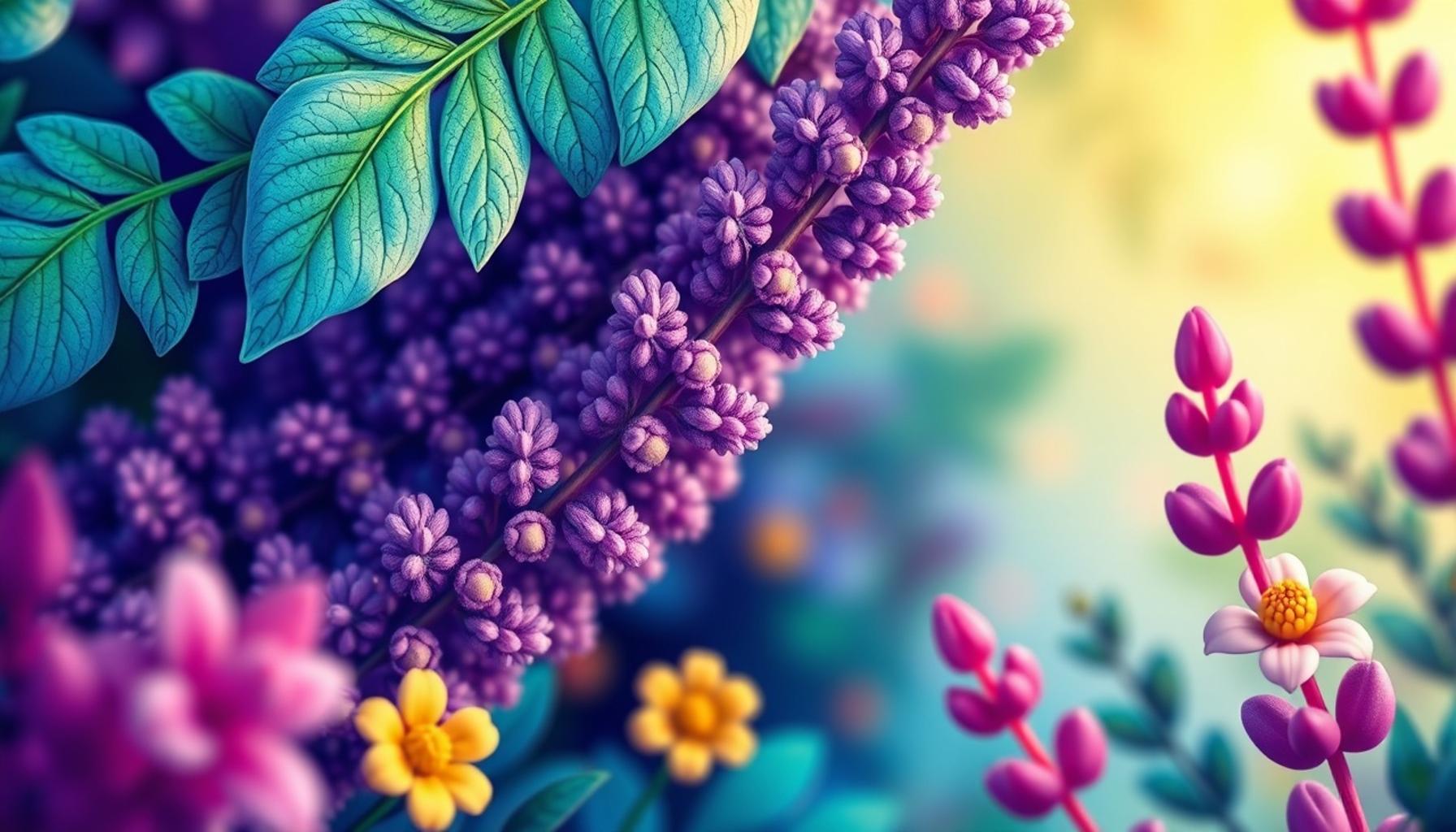
The calming scent of lavender isn’t just for relaxation; it offers remarkable antibacterial and anti-inflammatory properties. It can help in healing acne and reducing redness. A few drops of lavender essential oil diluted in a carrier oil can be used as a spot treatment, or added to bath water for an aromatic experience.
3. Green Tea
Green tea is packed with antioxidants known as catechins, which help combat skin damage from UV rays and reduce signs of aging. Incorporating green tea into your beauty routine could be as simple as using cooled green tea bags as eye patches or making a refreshing toner by steeping green tea and adding a splash of lemon juice.
4. Chamomile
Chamomile is another herb celebrated for its skin-soothing properties. Its anti-inflammatory and antiseptic qualities make it an excellent choice for calming irritated skin. Use chamomile tea as a facial rinse, or create a calming face mask by mixing chamomile extract with honey for a natural glow.
5. Calendula
Calendula is a powerful herb known for its ability to promote wound healing and reduce scar formation. Its anti-inflammatory and antiseptic properties make it perfect for sensitive skin types. You can use calendula oil in your moisturizer or as a part of a homemade ointment to heal cuts and bruises.By embracing these powerful medicinal herbs, you not only enhance your skin’s health but also align your beauty routine with natural and holistic practices. Explore various methods and combinations to discover what works best for your unique skin!
DIVE DEEPER: Click here to uncover the truth
Exploring Specific Medicinal Herbs for Skin Health
Understanding which specific medicinal herbs can benefit your skin can illuminate your beauty routine further. Each herb boasts distinct qualities that are uniquely catered to different skin types and conditions. Let’s delve into a few noteworthy herbs and their skin-enhancing properties, helping you to make informed choices.
Lavender: The Calming Healer
Lavender is renowned for its soothing aroma, but it also carries impressive skin benefits. This herb possesses both anti-inflammatory and antibacterial properties, making it ideal for those with acne-prone or sensitive skin. Lavender oil can be utilized in spot treatments to reduce redness and irritation or infused in moisture creams to impart a calming effect. Studies have shown that lavender can promote wound healing and provide relief from sunburn, amplifying its appeal as a versatile ingredient in skincare.
Calendula: Nature’s Skin Protector
Calendula, also known as marigold, is a remarkable herb often used for its skin-healing abilities. Its high flavonoid content offers a potent anti-inflammatory punch, aiding those with dry, damaged, or sensitive skin. You can find calendula-infused oils and creams in many organic skincare lines or create your own healing salve by infusing the flower in a carrier oil. With its natural ability to soothe chafed skin and promote tissue regeneration, calendula is a staple for any herbal skincare regimen.
Nettle: The Nutrient Powerhouse
Nettle may not be the first herb that comes to mind for skincare, but this nutrient-dense plant is a powerful ally. Rich in vitamins A, C, K, and several B vitamins, nettle promotes healthy skin by boosting collagen production. Moreover, its anti-inflammatory properties make it suitable for combating conditions like eczema and psoriasis. Nettle teas or concentrates can be integrated into your beauty routine or sourced from herbal skincare products to harness its full potential.
Chamomile: The Gentle Soother
Chamomile has long been celebrated for its calming effects, not just in tea but also for skincare. Renowned for its gentle anti-inflammatory and calming properties, chamomile can be particularly effective for those dealing with irritated or inflamed skin conditions. Chamomile tea or essential oil can be used in DIY facial steams or infused into lotions to reduce redness and soothe the skin. Its ability to lighten hyperpigmentation is an added advantage, making it a beloved choice for natural beauty enthusiasts.
Integrating Herbal Teas into Your Routine
In addition to topical applications, herbal teas can be an effective way to enhance skincare from within. Drinking herbal teas made from herbs like rooibos, green tea, or dandelion can provide your skin with antioxidants and hydration. These drinks help to detoxify the body and promote healthy skin through their skincare-boosting compounds. Incorporating daily herbal infusions into your beauty routine will not only improve skin health but also deliver a calming ritual that enhances overall well-being.
Choosing Quality Herbal Products
When it comes to medicinal herbs in skincare, not all products are created equal. It’s crucial to choose high-quality, organic options to ensure you receive the full benefits of the herbs without the concern of harmful additives. Look for transparency in sourcing and production methods, as reputable brands often provide detailed information on their ingredient sourcing. Additionally, consider supporting local herbalists and artisans who craft products using traditional methods for a truly authentic experience.
By strategically integrating these potent herbs into your beauty routine, you harness not only their healing powers but also embrace a holistic approach to skincare—enriching both your skin and overall health.
DISCOVER MORE: Click here to learn about the power of fruit extracts in beauty products
Conclusion: Embracing Nature in Your Beauty Routine
Incorporating medicinal herbs into your beauty routine opens a gateway to holistic skincare that transcends conventional products. From the soothing properties of lavender to the regenerative benefits of calendula, each herbal ally brings its unique set of advantages tailored to various skin concerns. By recognizing the transformative power of these natural ingredients, you can address issues such as acne, inflammation, or dryness while promoting overall skin health.
Furthermore, integrating herbal teas not only nourishes your skin from the inside out but also fosters a peaceful ritual that enhances your daily self-care routine. The wellness benefits derived from rooibos and dandelion contribute essential nutrients and antioxidants that support a radiant complexion.
As you embark on this journey toward natural beauty, it’s essential to choose high-quality herbal products that align with your values. Seek out organic brands or local artisans who prioritize sustainable and ethical practices. The assurance of pure ingredients ensures you reap the full benefits of these powerful herbs, free from toxic additives.
Ultimately, the incorporation of medicinal herbs into your skincare regimen is not just about achieving beautiful skin; it’s about embracing a lifestyle that values health, well-being, and a profound connection to nature. As you explore the myriad options available, you might discover that the secret to revitalized skin lies not in serums and creams but in the age-old wisdom of herbs. So take a step towards a more natural approach to beauty—your skin will thank you.