
Scientific Advances in Anti-Aging Treatments: What Research Is Revealing
The Fascination with Youth
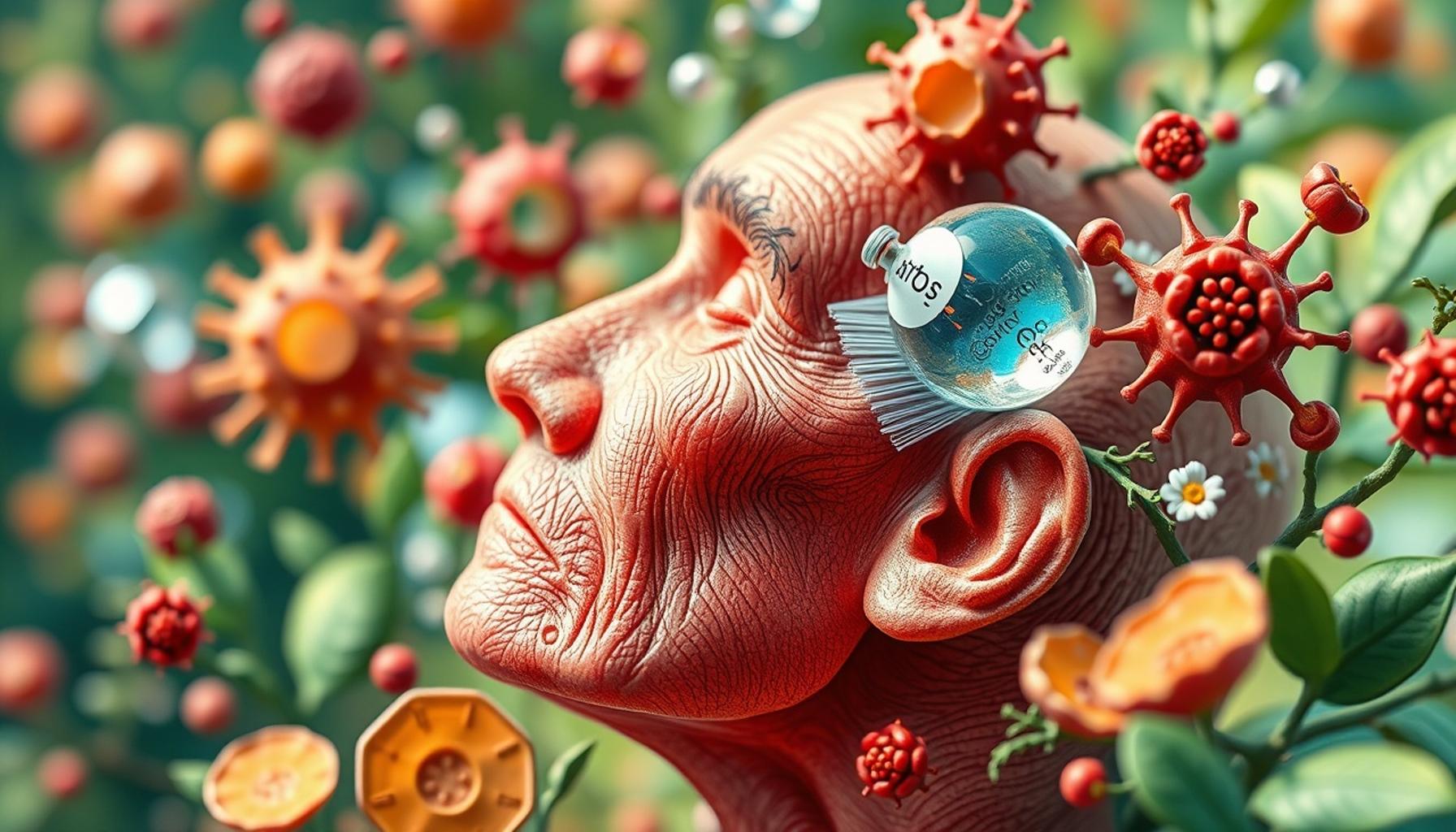
The quest for eternal youth has captivated humanity for centuries, fueling myths, literature, and scientific exploration. The notion of halting or even reversing the aging process is not just a fantasy, but as scientific advances in anti-aging treatments emerge, this once far-fetched dream is gradually becoming a reality. Rigorous research, alongside innovative techniques, promises not just cosmetic enhancements but a significant leap in overall health and longevity.
Scientific Explorations in Aging
Recent studies have unveiled various mechanisms that contribute to aging, revealing how they can be effectively targeted. This emerging field of research provides intriguing possibilities for individuals seeking to extend their lifespans while maintaining health and vitality.
- Genetic Research: Understanding the role of genes in aging processes could potentially unlock the secrets to longevity. For example, researchers at the Harvard Medical School have identified specific genes that regulate cellular repair and maintenance, suggesting that gene therapy could play a significant role in combating age-related decline.
- Stem Cell Therapy: Utilizing regenerative medicine aims to rejuvenate tissues. Studies have shown that injecting stem cells into aging tissues can restore function and promote healing. For instance, clinical trials involving stem cell therapy for joint degeneration have produced promising results, greatly improving patients’ mobility and quality of life.
- Telomere Lengthening: Investigating how telomeres, the protective caps at the ends of chromosomes, affect cellular aging is vital. Research indicates that shorter telomeres are linked to age-related diseases. Scientists are exploring methods to lengthen telomeres, with initial studies suggesting that this may enhance cellular longevity.
- Nutraceuticals: The power of dietary supplements to combat aging is a key focus area. Substances like resveratrol, found in red wine, and curcumin, from turmeric, have shown antioxidant properties that could neutralize aging effects at the cellular level.
Innovations in Biotechnology
Additionally, the burgeoning field of biotechnology is making waves, as researchers experiment with substances that mimic youthful biological processes. This includes:
- Senolytics: These are drugs designed to eliminate senescent cells—those that have stopped dividing but remain metabolically active. By clearing these cells, researchers believe they can mitigate age-related inflammation and degenerative diseases.
- Growth Factors: Proteins that stimulate cell growth and repair are emerging as critical components in anti-aging treatments. For example, platelet-rich plasma (PRP) injections, often used in aesthetic medicine, leverage growth factors derived from the patient’s own blood to rejuvenate skin and promote healing.
- Hormonal Treatments: Modulating hormone levels—such as estrogen and testosterone—can significantly impact physical vitality and emotional well-being. Hormone replacement therapies are being scrutinized for their potential not only to alleviate symptoms of aging but also to maintain youthful energy levels and muscle mass.
Looking Ahead
As we delve deeper into these remarkable advancements, it is crucial to explore their implications for our future health. Will these treatments gradually transition from experimental labs to mainstream clinics? What societal changes might arise as more individuals seek to defy aging? The answers to these inquiries could profoundly reshape our understanding of aging and challenge conventional perceptions about growing older.
DISCOVER MORE: Click here to discover minimalist makeup tips
Unraveling the Aging Process
To understand how to combat aging, researchers have turned their attention to the fundamental biology of the aging process itself. Identifying the key factors that contribute to cellular deterioration and organ dysfunction is crucial for developing effective anti-aging treatments. Significant progress has been made in this area, with studies highlighting several primary contributors to the aging phenomenon.
- Oxidative Stress: One of the most significant culprits in cellular aging is oxidative stress, which results from an imbalance between free radicals and antioxidants in the body. As we age, our natural antioxidant defenses decline, leading to increased cellular damage. Scientific investigations are exploring antioxidant therapies that may help mitigate oxidative damage and maintain cellular integrity.
- Inflammation: Chronic inflammation has emerged as a pivotal player in the aging process. Known as “inflammaging,” this state can escalate the risk of various age-related diseases. Researchers are studying anti-inflammatory agents that could potentially reduce inflammation, thereby promoting healthier aging. Recent trials have shown promise with compounds aimed at modulating the immune response to decrease inflammation levels.
- Mitochondrial Dysfunction: Mitochondria, the powerhouses of cellular activity, deteriorate with age. Studies indicate that enhancing mitochondrial function could improve energy production and overall cellular health. Innovative approaches, such as the use of compounds that support mitochondrial biogenesis, are gaining traction in the realm of anti-aging therapies.
- Epigenetics: The field of epigenetics reveals that lifestyle choices and environmental factors can alter gene expression over time, influencing longevity. Research is now focusing on how modifying these epigenetic markers may reversibly impact the aging process. This could open pathways for lifestyle interventions that promote healthier aging based on individual genetic profiles.
The Role of Technology in Anti-Aging Research
Advancements in technology are propelling anti-aging research into uncharted territories. The integration of artificial intelligence (AI) and machine learning is transforming how researchers gather and analyze vast amounts of biological data. These sophisticated tools enable scientists to predict which therapies might be most effective at reversing the signs of aging.
Furthermore, biotechnology companies are developing personalized medicine approaches that tailor treatments based on genetic and epigenetic data. This level of customization enhances the efficacy of interventions, making it possible to address specific aging-related issues unique to each individual.
The convergence of traditional medical research and cutting-edge technology underscores the excitement surrounding anti-aging treatments today. By uncovering the molecular mechanisms involved in aging and deploying innovative strategies, science is slowly articulating a new narrative about the possibilities of healthy longevity. As researchers continue to unlock these secrets, the outlook for anti-aging therapies becomes progressively brighter, promising not just a superficial halt to aging, but a deep-rooted enhancement of life quality.
Scientific Advances in Anti-Aging Treatments: What Research Is Revealing
The pursuit of longevity and the quest for effective anti-aging treatments have gained immense traction, driven by groundbreaking research that explores both biological mechanisms and innovative therapies. Recent studies suggest that cellular senescence, a process where cells lose their ability to divide and function, plays a critical role in aging. Researchers are now investigating senolytics, a class of drugs designed to selectively eliminate these aging cells, thereby promoting healthier tissue regeneration and potentially extending lifespan.
Moreover, gene therapy, once thought of as science fiction, is becoming a viable option for anti-aging interventions. Scientists are focusing on altering the expression of specific genes linked to age-related diseases, offering new hope for the treatment of conditions such as Alzheimer’s and cardiovascular diseases. Additionally, advances in regenerative medicine, particularly the use of stem cells, are showing potential in rejuvenating aged tissues, showcasing how our understanding of human biology evolves rapidly.
The influence of telomeres, the protective caps at the ends of chromosomes, reveals another exciting avenue in anti-aging research. As telomeres shorten with each cell division, researchers are exploring methods to maintain their length, potentially slowing down the aging process. Some studies even point toward lifestyle factors—such as diet, exercise, and stress management—as vital contributors to telomere preservation.
| Advantage Category | Description |
|---|---|
| Cellular Senescence | Research on senolytics targets senescent cells, promoting rejuvenation. |
| Gene Therapy | Alteration of genes linked to aging diseases offers new treatment avenues. |
| Telomere Maintenance | Exploration of methods to prevent telomere shortening can aid in longevity. |
These scientific strides illustrate not just a theoretical grasp of aging but practical innovations that could reshape our understanding of health and lifespan. The interconnectedness of genetics, cellular health, and lifestyle presents an intriguing landscape for further exploration, promising advancements in how we approach aging in the future.
DISCOVER MORE: Click here to enhance your beauty routine
Innovative Therapies and Promising Trials
As researchers work tirelessly to decode the secrets of aging, a range of innovative therapies is emerging from laboratories and clinical trials, each one aimed at extending not just lifespan but healthspan—the period of life spent in good health. A notable focus in this arena is the development of sirtuin activators, compounds that potentially influence longevity by activating sirtuins, a group of proteins involved in cellular regulation, metabolism, and stress responses. Preliminary studies suggest that certain natural compounds, such as resveratrol, found in red wine, may activate these proteins, fostering a potential pathway for anti-aging interventions.
Furthermore, the exploration of senolytics is shaking the foundation of conventional aging treatment strategies. These agents target and eliminate senescent cells—those that have ceased to divide and accumulate in tissues, contributing to the aging process and age-related diseases. Recent studies indicate that clearing these cells can rejuvenate tissues and improve health metrics in aged mice. Exciting clinical trials are now assessing the effectiveness of senolytic therapies in humans, marking a significant shift toward targeting the root causes of aging directly.
An intriguing development in anti-aging research involves the use of gene therapy, a cutting-edge approach that has already seen success in treating genetic diseases. Researchers are now investigating how to safely insert or modify genes in human cells to enhance regenerative processes associated with aging. For example, gene therapies aimed at revitalizing aged stem cells show promise in restoring their regenerative potential when administered in specific contexts. The implications of achieving successful gene therapy protocols for anti-aging could be groundbreaking, potentially leading to treatments that not only promote longer lives but also improve overall quality of life.
The Promise of Regenerative Medicine
Regenerative medicine stands at the forefront of scientific advances in anti-aging treatments. Stem cell therapy, an integral component of this field, has begun to display astonishing potential. Research has demonstrated that mesenchymal stem cells (MSCs) can differentiate into various cell types, effectively repairing damaged tissues. Studies exploring the use of MSCs to treat age-related degenerative diseases, such as osteoporosis and cardiovascular conditions, are gaining traction, showcasing their ability to boost regeneration and promote recovery in aging populations.
Additionally, the concept of tissue engineering is gaining momentum, as scientists explore ways to create structures from cells that could replace or restore function in damaged organs. Innovations in 3D bioprinting technology have made it feasible to construct tissue-like structures that could eventually be used in regenerative therapies. This groundbreaking work could lead to the development of organs that withstand the test of time, essentially redefining what it means to age.
Nutrition and Lifestyle Interventions
The role of nutrition and lifestyle interventions in promoting healthy aging is receiving increasing attention from the scientific community. Recent research draws connections between dietary patterns, such as the Mediterranean diet rich in fruits, vegetables, whole grains, and healthy fats, and their effect on longevity. Studies suggest that these dietary habits can combat oxidative stress and inflammation, contributing to a reduced risk of chronic diseases among older adults.
In addition, intermittent fasting is making waves as a powerful tool for extending lifespan and enhancing well-being. Research indicates that caloric restriction can activate various anti-aging pathways, fostering cellular survival and resilience. With positive results emerging from early human trials, the potential of intermittent fasting as an effective anti-aging strategy continues to intrigue researchers and the public alike.
As these various research avenues converge, the landscape of anti-aging treatments is becoming increasingly multifaceted. From innovative therapies to lifestyle changes, the quest for healthier aging is taking a definitive step forward, transforming aging into a process that can be actively managed instead of passively endured.
DISCOVER MORE: Click here for tips on achieving a stunning evening look
Conclusion
In conclusion, the realm of anti-aging research is bursting with promise, as groundbreaking findings and innovative treatments reshape our understanding of aging. The exploration of sirtuin activators and senolytics, along with advances in gene therapy and regenerative medicine, reveals a multifaceted approach to extending both lifespan and healthspan. Techniques such as stem cell therapy and tissue engineering present new opportunities to recover and rejuvenate bodily functions, potentially leading to revolutionary breakthroughs that could change the landscape of healthcare for older adults.
Moreover, the importance of nutrition and lifestyle interventions cannot be understated. Dietary approaches like the Mediterranean diet, alongside strategies such as intermittent fasting, highlight the significant role that everyday choices play in promoting longevity and well-being. This evolving narrative suggests that while science diligently uncovers the biological underpinnings of aging, individuals are empowered to influence their own health outcomes through informed lifestyle decisions.
As research continues to unravel the complexities of aging, we stand on the brink of a new era in which aging may transform from an inevitability into a manageable process. For those intrigued by the potential for healthier aging, staying updated on these scientific advances is not only recommended but essential. By embracing this knowledge, we can all become active participants in rewriting the future of aging, thus redefining what it means to grow older in our society.
Related posts:
The Role of Antioxidants in the Fight Against Skin Aging
The Effects of Lifestyle on Skin Aging: Habits That Can Make a Difference
The Best Anti-Aging Ingredients: What Really Works?
Innovative Aesthetic Treatments for Facial Rejuvenation: What's New?
The Role of Nutrition in Preventing Skin Aging
The Influence of Diet on Skin Health: How Nutrients Can Combat Aging

Beatriz Johnson is a seasoned skincare specialist and writer with a passion for simplifying the complexities of beauty science and skincare routines. With over a decade of experience in the aesthetics industry, she specializes in topics like ingredient efficacy, anti-aging strategies, and global beauty trends. Through her work, Beatriz empowers readers to make informed skincare choices and stay ahead in the ever-evolving world of beauty and wellness.