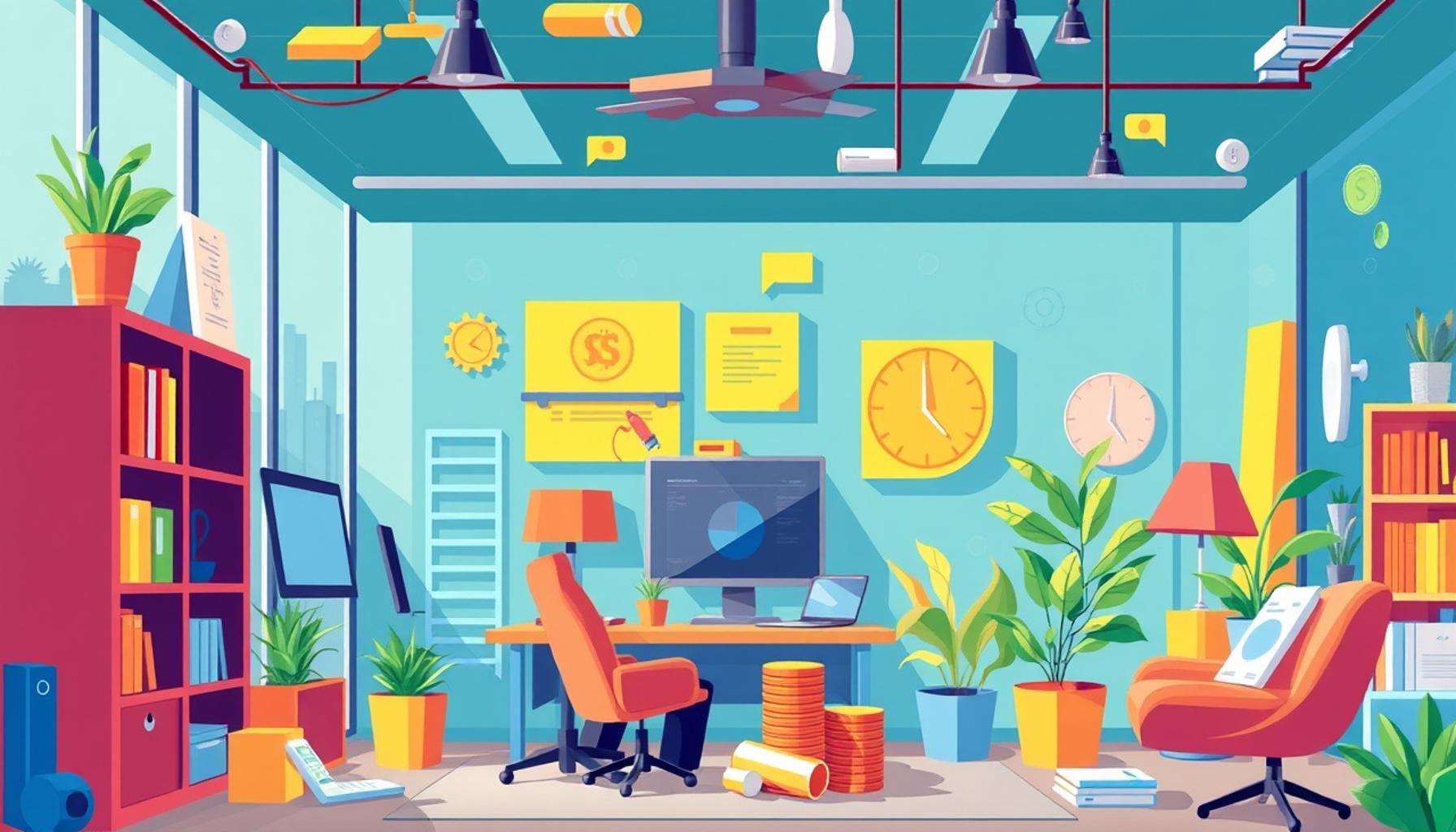
Space Management as a Tool to Foster Creativity in Minimalist Environments

Enhancing Innovation through Thoughtful Space Management
In a world increasingly captivated by minimalism, the organization of our physical environments plays a crucial role in enhancing creativity. Space management goes beyond mere organization—it creates a canvas where innovative ideas can flourish. The spaces we inhabit greatly influence our mindset, productivity, and thus, our ability to think creatively.
Minimalist environments, characterized by their simplicity and functionality, often serve as the perfect backdrop for creative thought. These settings are carefully curated to eliminate excess, leaving only the essentials that inspire and elevate our cognitive capacities. Here are some notable features that contribute to making these spaces conducive to innovation:
- Clutter-free zones: Reducing distractions allows for clearer thinking and greater focus. A cluttered desk can impede productivity, as studies show that individuals in tidy environments report being able to concentrate better on the task at hand.
- Efficient layouts: Thoughtfully arranged spaces foster collaboration and inspire new ideas. For example, open-concept offices are designed with flexible layouts to encourage spontaneous discussions among team members, leading to more innovative outcomes.
- Connection with nature: Incorporating natural elements like plants or natural light can significantly stimulate creativity and improve mood. Organizations such as Google have famously integrated biophilic design into their workplace environments to foster well-being and innovation.
People are increasingly recognizing the significance of their physical surroundings when it comes to nurturing creativity. In fact, studies indicate that:
- 75% of individuals report feeling more inspired in simple, tidy environments, illustrating that the psychological impact of organization cannot be underestimated.
- 50% say increased organization correlates with enhanced productivity, reinforcing the notion that an uncluttered environment paves the way for enhanced efficiency and creativity.
As we delve deeper into the relationship between space management and creativity in minimalist environments, it’s essential to explore various strategies that can lead to a notable transformation in our thinking processes. For instance, adopting a “minimalist routine” could involve periodic decluttering sessions and re-evaluating the purpose of each item in your workspace. Furthermore, integrating art or inspiration boards can serve as focal points for creativity—reminding one of goals and sparking new ideas.
In addition, technology integration plays a vital role in modern space management. Utilizing apps for task management or design tools can help streamline processes and provide a digital clutter-free atmosphere, essential for keeping the mind focused on creativity. By understanding how to leverage our spaces effectively, we can unlock untapped potential, setting the stage for a new wave of creativity that thrives in simplicity.
Strategies for Effective Space Management in Minimalist Environments
To harness the potential of space management as a tool for fostering creativity, it is essential to adopt strategies that complement the minimalist ethos. These strategies not only encourage an uncluttered environment but also stimulate the mind’s capacity for creative thought. A minimalist workspace shouldn’t simply be about reduced items but rather a reflection of intentionality and purpose in design.
One pivotal approach to effective space management is the “Five-Item Rule.” This principle dictates that each workspace should only contain five essential items that are indispensable for productivity and inspiration. By adhering to this rule, individuals can maintain focus on their core responsibilities without the distractions of unnecessary clutter. Furthermore, this strategy invites a continuous evaluation process, prompting one to regularly assess the relevance of each item within their environment.
Another effective tactic involves the use of multifunctional furniture. Opting for items that serve multiple purposes not only maximizes available space but also enhances versatility. For example, a desk that can be adjusted for both sitting and standing encourages movement and engagement. Such dynamic setups are not only practical but can lead to invigorated thought processes as the body is engaged in different positions.
Additionally, the strategic arrangement of focal points in minimalist spaces can have profound effects on creativity. Consider integrating areas dedicated to brainstorming or relaxation—zones that allow individuals to step away from traditional work modes. For instance, a cozy nook filled with pillows and inspirational artwork can serve as a refuge where one can reflect and generate fresh ideas. By defining distinct zones within a minimalist framework, the environment itself can inspire varied forms of thought and creativity.
Further supporting these strategies, research indicates that engaging with art within one’s workspace significantly enhances creative thinking. People who are surrounded by art report feeling more inspired and motivated, demonstrating a direct correlation between environmental aesthetics and creativity. Incorporating local artists’ work or community-inspired pieces into the design of a workspace can cultivate a sense of belonging and ignite creative juices through personal connections to the art itself.
Lastly, emphasizing ergonomics in minimalist environments can contribute significantly to overall mental clarity and creative output. Research suggests that comfortable and thoughtfully designed workspaces positively impact focus and productivity. By investing in ergonomic chairs and desks, as well as ensuring proper lighting, organizations can create spaces that promote both physical comfort and intellectual activity.
To sum up, the nexus between space management and creativity within minimalist environments is not incidental; it is a thoughtfully designed interplay that invites exploration and ingenuity. As we explore additional facets of this relationship, it becomes evident that intentional design choices can dramatically uplift creative potential and functionality.
| Advantage | Explanation |
|---|---|
| Enhanced Focus | By minimizing visual clutter, individuals can concentrate better, allowing for deeper creative thought. |
| Increased Flexibility | An organized space can be easily rearranged to inspire different workflows, stimulating innovative ideas. |
| Positive Emotional State | A clean environment can reduce stress levels, fostering a mindset more conducive to creativity. |
| Improved Collaboration | Minimalist spaces encourage open communication, driving collaborative creativity among teams. |
In the realm of space management, the benefits of cultivating minimalist environments extend beyond mere aesthetics. Enhanced focus is often the first noticeable advantage; studies show that a decluttered workspace boosts attention span and retention, essential for original thought. Furthermore, this kind of environment increases flexibility, allowing individuals to adapt their setups as needed, which can trigger an array of creative responses. Additionally, by minimizing distractions, one can achieve a more positive emotional state, leading to reduced anxiety. Such an atmosphere, where one can think clearly and engage freely, significantly spurs creativity. Professionals often cite improved collaboration as another key feature of minimalist spaces. A simplified layout encourages team interaction, laying the groundwork for innovative brainstorming sessions. Space management in a minimalist context, thus, not only makes for a more engaging workspace but serves as a profound catalyst for creative thinking.
Designing for Collaboration and Flexibility
In addition to implementing individual strategies for effective space management, fostering collaboration in minimalist environments is crucial for enhancing creativity. Collaboration spaces should be designed with the intention of bringing people together without overwhelming them with excess stimuli. By incorporating movable furniture like modular seating arrangements, organizations can easily reconfigure a space to suit various group sizes and project requirements, allowing for dynamic exchanges of ideas.
Moreover, the influence of natural light on creativity cannot be overstated. Research has shown that exposure to sunlight boosts mood and can lead to more creative thinking. Maximizing natural light in minimalist environments through large windows or skylights creates an inviting atmosphere that evokes inspiration. When selecting workspace locations, consider how the layout optimizes light exposure, balancing between direct sunlight and shaded areas for rest and reflection.
The Power of Nature in Minimalism
Incorporating biophilic design elements into a minimalist workspace can further enhance creative capacities. This approach focuses on the strong connection between humans and nature, emphasizing the integration of natural elements within constructed environments. A simple way to achieve this is by adding indoor plants or even a small water feature. Studies have indicated that the presence of greenery can lead to increased satisfaction levels and mental clarity, promoting a serene workspace ideal for innovative thought.
Adaptive Technology for Enhanced Creativity
An essential component of space management in modern minimalist environments is the use of adaptive technology. With the advent of remote work and digital communication tools, workspaces must be equipped with technologies that accommodate various working styles. Flexible tech solutions, such as wireless charging stations or portable video conferencing systems, not only streamline daily tasks but also encourage collaborative brainstorming sessions, regardless of participants’ geographical locations.
Furthermore, digital project management tools can help maintain order within a minimalist workspace. Tools like Trello or Asana allow teams to visually map out their projects while reducing the need for physical meeting spaces filled with paper and clutter. This approach not only reinforces the minimalist ethos but simultaneously supports creative workflows with organizational clarity.
Creating a Narrative Through Space
Lastly, the concept of storytelling through design serves as a powerful way to foster creativity in minimalist environments. Spaces that reflect an organization’s core values, mission, and creative vision can invigorate employees’ and collaborators’ spirits, deepening their engagement with the work. Curating elements like a wall of achievements, innovative project displays, or even personal touches from team members can create a narrative that inspires creativity and fosters a sense of ownership within the workplace.
As organizations continue to pivot towards maintaining minimalist ideals in their physical spaces, recognizing the diverse strategies that enhance creativity will be paramount. By focusing on collaborative setups, optimizing natural elements, leveraging technology, and creating compelling narratives, a thoughtfully managed space can transform into a sanctuary for creative minds.
Conclusion
In today’s fast-paced and competitive landscape, space management emerges as a fundamental strategy for fostering creativity within minimalist environments. By striking a balance between simplicity and functionality, organizations can create spaces that not only enhance productivity but also ignite innovative thinking. The design of collaborative areas, optimized for flexibility and comfort, encourages spontaneous brainstorming while minimizing distractions. Furthermore, integrating elements of nature and maximizing natural light can invigorate creativity by uplifting the mood and cognitive clarity of individuals.
As we explore the role of technology in these environments, adaptive solutions such as digital tools encourage collaboration across geographical boundaries. A well-organized minimalist workspace, supported by effective project management software, not only streamlines individual tasks but creates an inspiring atmosphere for team dynamics. Lastly, employing storytelling elements in the design connects team members to the organization’s mission, forging a deeper emotional link that nurtures creativity as a shared value.
Ultimately, understanding and implementing these strategies can transform minimalist spaces into thriving hubs of creativity. As organizations continue to refine their approach, the significance of intentional space management will become increasingly evident in driving employee engagement and innovation. By leveraging these insights, forward-thinking leaders can pave the way for a new era of creativity that thrives amidst the minimalism of today’s work environments.
Related posts:
Space Management Strategies to Create Comfort Zones in Minimalist Environments
Establishing Priorities: The Impact of Space Management on Personal Organization and Minimalism
Space Management Trends: How Minimalism is Revolutionizing Modern Office Organization
Transforming Empty Spaces into Functional Areas: Management Techniques for a Minimalist Lifestyle
The Role of Space Management in Sustainability and Conscious Consumption
Optimizing Small Spaces: Space Management Tips for a Minimalist Lifestyle

Linda Carter is a writer and organization expert specializing in minimalism and personal organization. With extensive experience helping individuals create clutter-free, functional spaces and adopt mindful habits, Linda shares her knowledge on our platform. Her goal is to empower readers with practical advice and strategies to simplify their lives, stay organized, and achieve a sense of calm and balance in their daily routines.