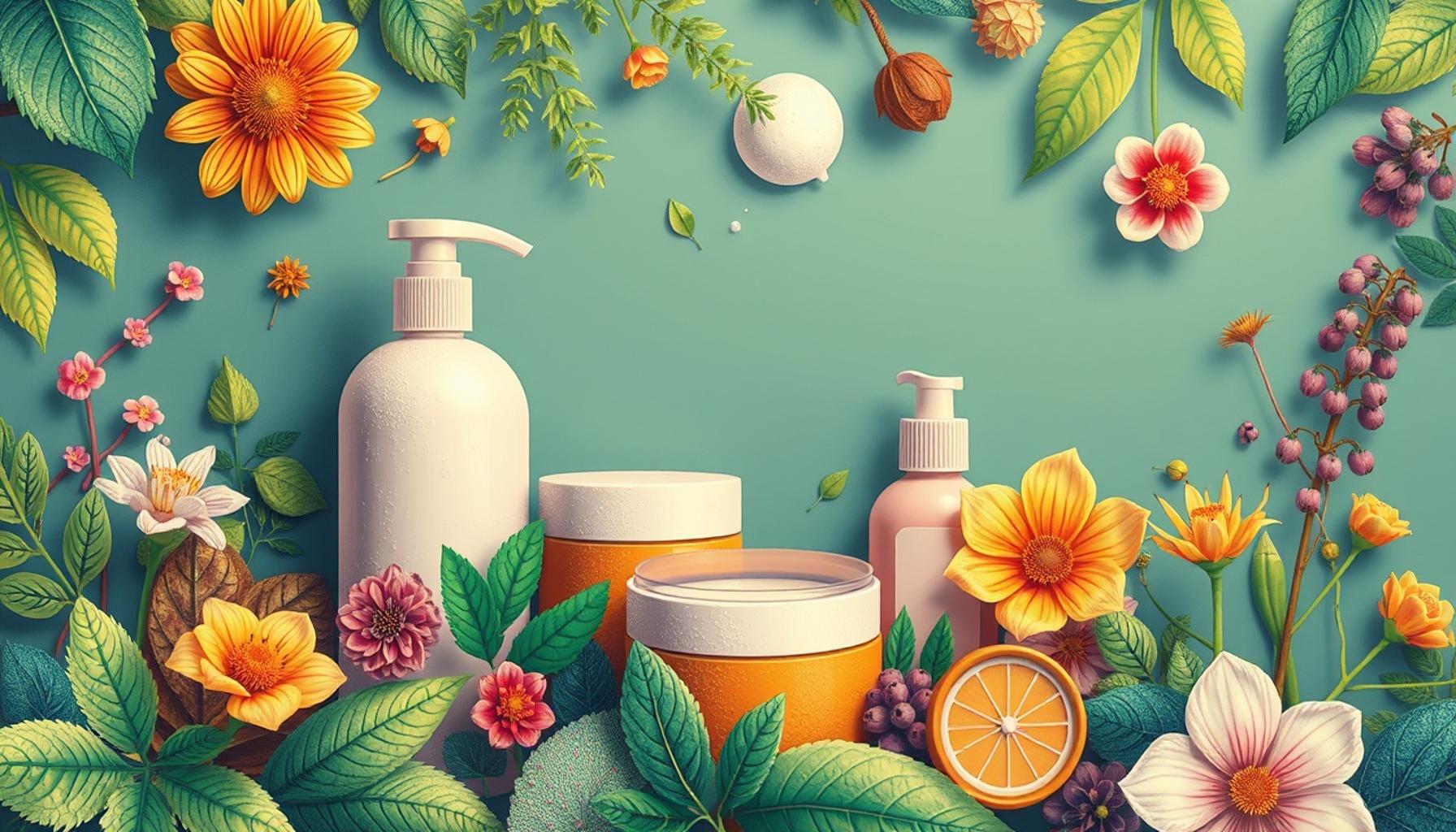
Sustainable Beauty: The Importance of Organic Skincare Products in Maintaining Radiant and Healthy Skin

Unlocking the Secrets of Sustainable Skincare
The rise of sustainable beauty is reshaping the landscape of skincare, as consumers evolve into more informed and conscientious shoppers. This change is not just superficial; it reflects a broader cultural shift towards environmental responsibility and personal well-being. Increasingly, individuals are curious about the ingredients in their beauty products and their impact on health and the planet. This consciousness has propelled the demand for organic skincare products, signaling a desire to intertwine self-care with ecological stewardship.
Why Choose Organic Skincare?
Organic skincare products present a plethora of advantages that can enhance both skin health and environmental sustainability:
- No harmful chemicals: Many conventional skincare items contain synthetic substances such as parabens, sulfates, and artificial fragrances that can lead to skin irritation and disrupt hormonal balance. In contrast, organic products are formulated without these harmful additives, making them gentler on sensitive skin.
- Nourishing ingredients: Organic skincare often incorporates natural oils, botanicals, and plant extracts rich in vitamins and antioxidants. Ingredients like rosehip oil, aloe vera, and chamomile are celebrated for their soothing and regenerative properties, promoting vibrant skin.
- Eco-friendly production: The cultivation of organic ingredients typically adheres to sustainable farming practices, which minimize pesticide use and enhance biodiversity. Brands focusing on sustainable sourcing often prioritize fair trade, supporting farmers and communities while preserving ecosystems.
Moreover, as consumers become more aware of the link between skincare and environmental health, they acknowledge that choices made on an individual level can contribute significantly to global change. The concept of sustainable beauty challenges individuals to rethink their daily routines and embrace products that not only enhance their appearance but also protect the planet. By adopting an organic regimen, users can foster radiant and healthy skin while simultaneously advocating for environmental preservation.
The Future of Beauty
The movement towards organic products represents a long-term commitment rather than a passing trend. Market research shows that the organic skincare sector is expected to continue its expansion, driven by consumer demands for transparency and integrity in beauty. For instance, recent studies indicate that nearly 60% of U.S. consumers prefer to purchase from brands that commit to sustainability.
This forward-thinking landscape encourages both existing and new beauty brands to innovate sustainably, exploring alternative packaging solutions and ingredient sourcing methods that prioritize ecological balance. As beauty enthusiasts engage with this evolving narrative, they are invited to delve deeper and explore how their choices can contribute to a healthier planet and improved personal wellness. The journey into sustainable skincare is not just about personal aesthetics; it is about fostering a lifestyle that appreciates and protects the world around us.
Embracing Nature: The Core Benefits of Organic Skincare
Choosing organic skincare products is an empowering decision that can lead to not only improved skin health but also a more sustainable future. As awareness grows surrounding the adverse effects of synthetic ingredients on both our bodies and the environment, consumers are beginning to appreciate the holistic advantages of opting for organic. This shift is not merely a cosmetic change; it has far-reaching implications for personal wellness, community support, and ecological conservation.
One of the most compelling reasons to explore organic skincare lies in its commitment to purity. Organic products are typically free from harmful chemicals and irritants commonly found in traditional beauty items. While many conventional products may market themselves as safe, they often contain substances such as parabens, sulfates, and artificial fragrances that can cause skin issues and hormonal disruptions. In contrast, organic skincare favors natural formulations that nourish the skin without the risk of long-term negative side effects.
Top Reasons to Opt for Organic Skincare
- Enhanced Skin Health: Organic skincare is rich in botanicals that are renowned for their therapeutic benefits. Ingredients like argan oil, jojoba oil, and coconut oil not only hydrate the skin but also provide essential nutrients that foster a healthy glow. Many organic formulas are designed to be absorbed more quickly by the skin, optimizing their effectiveness.
- Environmental Impact: The impact of agriculture on the planet cannot be understated. By choosing products made from organically cultivated ingredients, consumers play a role in reducing harmful pesticide use, promoting soil health, and conserving water resources. This responsible sourcing of ingredients is crucial for a sustainable ecosystem.
- Social Responsibility: Many organic skincare brands are committed to fair trade practices, ensuring that farmers receive fair wages and work in safe conditions. By supporting these brands, consumers contribute to the livelihood of communities around the globe while empowering ethical business practices.
The popularity of organic skincare products is not only a testament to their inherent benefits but also a reflection of a growing consumer awareness of the interconnectedness of health and environmental issues. A survey conducted by the Natural Marketing Institute found that over 70% of Americans are now oriented towards cleaner and greener product choices, indicating a monumental shift in purchasing behaviors. This rising demand further propels brands to prioritize transparency, ensuring that consumers are well-informed about the ingredients they are applying to their skin.
By integrating organic skincare into their daily routines, individuals are making significant strides towards achieving not just radiant and healthy skin, but also promoting sustainability and environmental consciousness. The heartfelt connotation of using organic products fuels a movement that resonates with various demographics, especially among millennials who prioritize health and wellness.
As the journey into the realm of organic skincare progresses, consumers are invited to reevaluate not only their skincare regimens but also their responsibility towards the planet. This evolving narrative not only highlights the aesthetic benefits of beauty products but also serves as a reminder of how individual actions can lead to broader social change.
The Power of Natural Ingredients
Organic skincare products often harness the power of nature by utilizing plant-based ingredients that are not only effective but also safer for the skin. By avoiding synthetic chemicals, these products promote radiance and health without the risk of irritation or adverse reactions that commonly accompany conventional skincare products. Ingredients like aloe vera, tea tree oil, and shea butter provide essential nutrients that support skin vitality and enhance natural beauty.
Environmental Impact
Choosing organic skincare also has a significant environmental impact. Many brands commit to sustainable practices, such as sourcing ingredients responsibly and using eco-friendly packaging. This approach not only minimizes waste but also encourages biodiversity, promoting a healthier ecosystem. By opting for these products, consumers contribute to a growing trend that prioritizes the planet’s health while caring for their skin. Awareness about the benefits of organic components fosters a deeper connection between personal care and environmental stewardship.
The Role of Education in Skincare Choices
Education plays a crucial role in skincare choices. As consumers become more informed about the ingredients and their origins, they are more likely to make choices that reflect a commitment to sustainability. Platforms that educate about the harmful effects of chemicals and the benefits of organic alternatives are shaping a new era in skincare that values transparency and ethical consumption. Learning to read labels and understanding ingredient sourcing can empower consumers to discern which products align with their values, ultimately leading to skin that is not only beautiful but healthy.
Long-Term Skin Benefits
Using organic skincare products can result in not only immediate benefits but also long-term improvements in skin health. These products often promote cell regeneration and repair, which can lead to a reduction in signs of aging, such as fine lines and wrinkles. Over time, the consistent use of organic ingredients can help to improve skin texture and tone, making it glow from within. Such lasting effects significantly elevate the allure of adopting a natural skincare routine.
| Advantages | Key Features |
|---|---|
| Natural Ingredients | Plant-based, free from synthetic chemicals |
| Eco-Friendly Practices | Sustainable sourcing, reduced environmental footprint |
| Long-Term Skin Health | Improved texture, tone, and overall radiance |
Unveiling the Science: Understanding Organic Ingredients
At the heart of organic skincare lies a deep reverence for nature and the ingredients derived from it. A closer look at the science behind these organic compounds reveals why they are not just beneficial, but essential for maintaining healthy skin. For instance, many organic products utilize antioxidant-rich botanicals like green tea and vitamin C. These ingredients not only protect the skin from environmental stressors such as pollution and UV rays but also combat free radicals that can accelerate aging.
The advantages of organic ingredients extend beyond mere surface benefits. Research shows that natural components, including essential oils and herbal extracts, have unique therapeutic properties. For example, tea tree oil, known for its antibacterial properties, is frequently found in organic skincare due to its efficacy in treating acne without the harsh effects related to synthetic alternatives. Similarly, aloe vera is lauded for its soothing and hydrating capabilities, making it a staple in many organic moisturizers.
The Role of Certifications and Transparency
As consumers navigate the organic skincare market, understanding certifications becomes vital. Products that bear the USDA Organic seal, for instance, signify that they adhere to stringent agricultural standards that prioritize the health of both the ecosystem and the consumer. This level of transparency empowers shoppers, allowing them to make informed decisions regarding what they place on their skin.
Moreover, brands that prioritize clarity about sourcing and composition foster trust with their customer base. Platforms such as INCI Decoder provide insights into ingredient lists, demystifying complex formulations and enabling consumers to understand exactly what they are applying to their skin. In a world where ‘clean beauty’ has become a buzzword, this commitment to transparency can differentiate genuinely organic brands from greenwashing tactics employed by some companies.
A Thriving Market: The Surge of Organic Skincare
The organic skincare market is experiencing explosive growth, reflecting a significant consumer demand shift. A report from Grand View Research estimated that the global organic skincare market was valued at over $13 billion in 2021 and is projected to grow at a compound annual growth rate (CAGR) of 10.4% from 2022 to 2030. This expansion is particularly notable in the United States, where according to the Nielsen Global Beauty Report, 63% of consumers indicated that they are willing to pay more for products made with natural and organic ingredients.
This booming industry has spurred innovation, leading to the development of unique formulations that combine traditional knowledge with modern science. Companies now prioritize sustainable practices, utilizing eco-friendly packaging and implementing supply chains that respect both labor rights and environmental protection. As a result, consumers can enjoy a double benefit—nourishing their skin while supporting ethical business practices.
Ultimately, as more individuals embrace organic skincare, a cultural shift is underway, which emphasizes a return to nature. This movement not only inspires consumers to be intentional about the products they choose but also propels brands to uphold the values of sustainability and transparency. The path forward presents opportunities for continued growth in the organic skincare sector and profound implications for global health and beauty standards.
Conclusion: Embracing Sustainable Beauty for a Radiant Future
As we navigate the complexities of modern beauty regimens, the shift towards organic skincare emerges as more than just a fleeting trend—it represents a profound commitment to health, sustainability, and a deeper connection with nature. With organic products utilizing nourishing ingredients that provide authentic skin benefits, consumers have the opportunity to not only enhance their natural beauty but also support ethical practices that are increasingly vital in today’s market.
The rise of certifications such as the USDA Organic seal reinforces the importance of transparency, empowering consumers to make informed choices about what they apply to their skin. As brands innovate and commit to environmentally responsible methods, the potential for positive impact on both personal wellness and the health of our planet becomes even greater. Notably, the burgeoning organic skincare market, projected to continue its impressive growth, highlights a consumer base that prioritizes integrity, sustainability, and the refined beauty that comes from a deeper understanding of ingredients.
In embracing sustainable beauty, individuals are not merely opting for radiant skin; they are becoming advocates for a lifestyle that respects the earth and its resources. This evolving landscape invites everyone to explore the bountiful potential of organic skincare products, heralding a future where beauty and sustainability flourish hand in hand. As we cultivate this movement, let us champion an approach to beauty that resonates with authenticity, well-being, and a commitment to a healthier world.