The Evolution of Facial Care: How Culture and History Have Influenced Modern Beauty Practices

Tracing the Origins of Facial Care
The journey of facial care spans centuries, intertwining with various cultures and histories that have shaped its evolution. Each era’s beauty practices reflect its prevailing values, available resources, and innovative techniques. Today, as we navigate a landscape filled with advanced products, it’s fascinating to consider how ancient traditions have paved the way for contemporary skincare solutions.
Ancient Egypt
In ancient Egypt, beauty was not merely superficial; it was intertwined with religion and societal status. Egyptians famously used kohl to define their eyes, believing it protected them from the harsh sun and had spiritual significance. They also prized scented oils, such as those derived from frankincense and myrrh, which were used in daily skincare as well as rituals. Cleopatra, famed for her beauty, reportedly bathed in milk and honey—a practice that showcased the blend of nourishment and allure in skincare.
Greco-Roman Influence
The Greco-Roman world further revolutionized skincare by associating smooth, radiant skin with high social status. Ancient Greeks used natural ingredients like honey and olive oil, not just for their nourishing properties but for their luxurious feel. Baths became social rituals where individuals could socialize while indulging in cleansing and beautifying treatments. Such practices underscored a cultural emphasis on both health and aesthetics, marking skincare as a cornerstone of societal identity.
Asian Traditions
In contrast, Asian skincare traditions, particularly in countries like China and Japan, emphasize holistic approaches centered on balance and harmony. Traditional Chinese Medicine has long harnessed the power of herbs, incorporating ingredients like ginseng and licorice root into cleansing and moisturizing rituals. Japanese beauty philosophy often highlights the importance of multi-step routines, with products like essences and sheet masks designed to hydrate and illuminate the skin. This cultural focus on meticulous care and natural ingredients represents a significant divergence from Western practices, inviting curiosity about the efficacy of such methods.
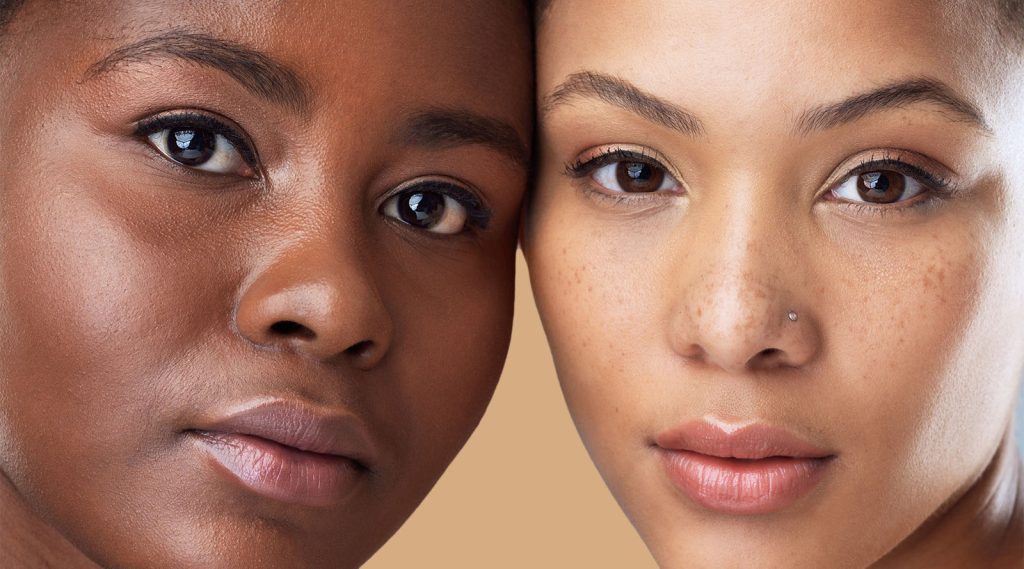
Modern facial care merges these historical practices with contemporary science, leading to remarkable innovations in skincare technology. Serums, retinols, and chemical peels exemplify this evolution, demonstrating how ongoing research and development continue to redefine beauty standards. Brands are increasingly incorporating ancient ingredients, such as turmeric from Ayurvedic traditions or rice bran from Japan, into their formulations.
This synergy between tradition and modernity raises compelling questions about the interplay of culture and technology in shaping current beauty ideals. As consumers, we have the opportunity to explore diverse traditions and practices that have captivated individuals around the world for centuries. The rich tapestry of facial care not only informs us about the past but also invites us to critically engage with the products we use today.
Join us as we delve deeper into the fascinating history of facial care, uncovering how the cultural nuances and historical milestones from different societies have guided us to the multifaceted beauty landscape we navigate in today’s world.
DISCOVER MORE: Click here to learn about the benefits of natural fruit acids
Cultural Shifts and Their Impact on Facial Care
The evolution of facial care transcends geographical boundaries, drawing upon a diverse range of cultural practices that have laid the groundwork for today’s beauty rituals. Each culture has brought unique philosophies and ingredients to skincare, ultimately reflecting the values and priorities of its time. From ancient customs to modern innovations, the journey of facial care reveals intriguing insights into why we embrace certain practices over others. As we explore this fascinating history, we can identify key influences that have shaped the contemporary beauty landscape.
The Role of Rituals in Skincare
Skincare has long been regarded as more than a routine; it is often embedded with cultural significance and personal rituals. Ancient civilizations typically associated facial care with both health and spirituality. In many cultures, cleansing and beautifying oneself were seen as acts of self-respect and inner harmony. Rituals surrounding skincare played an important role in social bonding and self-care, shaping not only individual beauty routines but also collective cultural identities.
A Diverse Palette of Ingredients
The ingredients used throughout history reflect local resources and the ingenuity of different societies. Modern skincare products often draw inspiration from these ancient practices. Notable examples include:
- Olive Oil: Celebrated in Mediterranean regions for its moisturizing properties, olive oil was used by ancient Greeks and Romans to maintain youthful skin.
- Honey: Valued for its natural antibacterial and nourishing qualities, honey was an essential ingredient in the beauty regimens of numerous cultures, including Egyptians and Persians.
- Clay: Used by various indigenous populations, clay masks served as detoxifying treatments, deeply cleansing the skin while nourishing it with essential minerals.
- Botanicals: East Asian practices extensively incorporate botanicals like green tea and rice bran, believed to enhance skin health and radiance.
The global exchange of these ingredients has paved the way for an increasingly innovative realm of skincare. With the rise of globalization, many companies are now sourcing traditional components from around the world, creating formulas that blend age-old wisdom with cutting-edge scientific research. This hybrid approach not only honors historical practices but also meets the demands of modern consumers seeking efficacy.
The Influence of Technology
The synergistic relationship between culture and technology has been pivotal in shaping facial care practices. Recent advancements in skincare formulations underscore the fusion of ancient traditions and contemporary science. Microneedling, light therapies, and customizable beauty products highlight this evolution, showcasing an era where personalized skincare is made possible through innovation.
Furthermore, the digital age has amplified access to a wealth of information surrounding skincare regimes. Social media platforms have become essential for sharing traditional beauty secrets, while influencers promote a diverse range of products that incorporate historical foundations. As consumers navigate this new landscape, they are more empowered than ever to engage with the rich heritage of skincare, allowing cultural practices to blend seamlessly with modern beauty standards.
As we continue to explore the intricate tapestry of facial care, it becomes increasingly evident that understanding our beauty history can enrich our current practices. Each cultural influence contributes to a more holistic view of skincare, fostering curiosity about what ancient methodologies can bring to contemporary routines.
The Historical Influences on Facial Care
Throughout history, facial care has been deeply intertwined with cultural practices and beliefs. In ancient Egypt, beauty was a sacred concept; Cleopatra famously used milk baths and honey as part of her skincare regimen. These practices highlighted the Egyptians’ understanding of natural ingredients and their benefits. Similarly, in China, the use of herbs and traditional remedies dates back thousands of years, with concepts of balance and harmony influencing modern skincare products today.African beauty rituals also showcase the profound influence of nature. Women utilized shea butter and other natural oils not just for moisturizing but also for protection against harsh climates. These ingredients have stood the test of time, evolving into popular modern products. Moreover, as cultures intermingled throughout trade and exploration, beauty practices exchanged and evolved. The ancient Silk Road not only facilitated the trade of silk but also brought various skincare techniques from the East to the West, impacting how beauty was perceived and applied.As we delve deeper into the 20th century, the rise of globalization introduced western ideals of beauty to numerous cultures, leading to a fusion of skincare practices. The “natural” and “organic” skincare movements in contemporary society draw heavily from these historical traditions, elevating ritualistic aspects of beauty treatments. This legacy offers a rich tapestry from which modern beauty practices draw inspiration.Want to explore how these historical traditions are manifesting in today’s cosmetic products and routines? Read on to discover how the past continues to shape the future of facial care.
| Cultural Tradition | Modern Influence |
|---|---|
| Ancient Egyptian Rituals | Use of natural ingredients like honey and milk is reflected in contemporary skincare. |
| Chinese Herbal Treatments | Balance and harmony remain pivotal in formulating modern beauty products. |
| African Natural Oils | Ingredients like shea butter are widely incorporated into contemporary moisturizers. |
As we can see, these elements of cultural heritage not only enrich our understanding of beauty but also inform the products we use today.
DIVE DEEPER: Click here to learn how your lifestyle impacts skin aging
The Intersection of Gender, Authority, and Facial Care
The evolution of facial care has been profoundly influenced by societal norms, particularly regarding gender roles and authority. Historically, beauty practices often reflected the values of patriarchal societies, where women were primarily seen as custodians of beauty, responsible for upholding aesthetic standards. This intersection of gender and facial care not only defined individual routines but also influenced the market for beauty products.
Historical Perspectives on Male and Female Beauty
While women have traditionally dominated the beauty narrative, the story of male facial care is equally compelling. In ancient Egypt, for instance, both men and women adorned themselves with kohl, a cosmetic made from lead sulfide, to protect their eyes from the harsh sun and enhance their appearance. This early form of skincare highlights that landscape was vibrant for men, defying the modern notion that beauty is a predominantly feminine domain. Fast forward to the Renaissance, where male grooming included powders and oils to reveal a fair complexion, a sign of social status. Such practices illustrate that societal definitions of beauty have always been fluid, shaped by cultural contexts.
Today, the beauty industry has seen a noticeable shift, with a growing acknowledgment of men’s skincare needs. Brands have begun to develop specialized products focusing on cleansing, moisturizing, and anti-aging for men—a trend driven by the increasing acceptance of male grooming practices. This paradigm shift emphasizes that the evolution of facial care is not just about aesthetics; it is also about redefining masculine identity in the modern age.
The Role of Influencers and Social Media
The advent of social media has revolutionized the way beauty practices are shared and perceived. Platforms like Instagram and TikTok have become virtual catwalks for beauty tutorials and product reviews, allowing users to connect with diverse beauty cultures. Influencers often pull from an array of traditions and modern science, crafting a unique narrative that resonates with their audiences. Hashtags such as #SkincareRoutine and #HolisticBeauty have surged in popularity, promoting engagement and exploration of historical practices that resonate with contemporary consumers.
This visibility has not only democratized access to skincare knowledge but has also sparked a newfound interest in holistic and natural remedies. As influencers introduce followers to ancient recipes involving adaptogenic herbs, oils, and DIY masks, they bridge the gap between modern needs and traditional solutions, revitalizing what may have been forgotten.
Regulatory Changes and Ethical Considerations
As the beauty sector continues to evolve, regulatory frameworks surrounding skincare products have adapted to meet the demands of a more informed consumer base. Concerns about sustainability and ethical sourcing are increasingly shaping purchasing decisions. Brands are now held accountable for transparent practices and ingredient safety, a consciousness that has its roots in ancient customs that prioritized natural materials.
In many cultures, skincare was about harmony with nature—an understanding that the earth provides vital resources for health and beauty. As historical practices make a comeback, consumers are pushing brands to embrace eco-friendly packaging, cruelty-free testing, and clean formulations, all while retaining the efficacy of traditional skincare methods.
The intersection of culture, technology, gender roles, and consumer consciousness outlines the landscape of facial care today. By recognizing the trends that have emerged as a response to historical and cultural contexts, individuals can deepen their understanding of modern beauty practices and potentially forge a connection with the past that enriches their skincare journey.
DIVE DEEPER: Click here to uncover the secrets of antioxidants
Conclusion: Embracing the Past, Shaping the Future of Facial Care
The journey of facial care is not simply a tale of evolving products and techniques; it is a rich narrative woven through culture, history, and changing societal norms. As we have explored, the practices of beauty have been profoundly shaped by factors such as gender roles, historical significance, and cultural traditions. From the ancient Egyptians to modern influencers, the dynamic interplay of these elements has continuously redefined what beauty means and how it can be achieved.
In our current era, the rise of social media has played a pivotal role in democratizing skincare knowledge, allowing individuals from diverse backgrounds to share their beauty rituals and empower others. The integration of ancient wisdom with contemporary practices presents an intriguing opportunity for consumers to enhance their facial care routines. The reinvigoration of natural remedies and holistic approaches symbolizes a longing for authenticity in a fast-paced world.
Furthermore, as consumers become increasingly conscious of ethical and sustainable practices, brands are facing a significant shift in expectations regarding transparency and ingredient sourcing. This attunement to eco-friendly practices is reminiscent of ancient customs that celebrated harmony with nature, reminding us that the best skincare often lies in the natural world around us.
Ultimately, the evolution of facial care invites us to reflect on our own beauty regimes and the historical threads that connect them. By understanding the intricate tapestry of influences that shape modern skincare, we can appreciate the depth of our choices and engage thoughtfully with beauty practices that honor both tradition and innovation. The road ahead is not just about looking beautiful—it’s about embracing the cultural heritage that enriches our daily rituals in the age of self-care.
Related posts:
Innovations in Facial Care Technology: Exploring the Latest Tools and Devices for Home Use
The Importance of a Daily Facial Care Routine: Steps for Every Skin Type
The Influence of Stress on Facial Skin: How to Combat Breakouts and Dullness
The Impact of Diet on Facial Skin Health: Foods That Nourish and Protect
The Science Behind Skincare Ingredients: What to Look for in Your Facial Care Products
Natural vs. Chemical Facial Care: Debunking Myths and Understanding Your Options

Beatriz Johnson is a seasoned skincare specialist and writer with a passion for simplifying the complexities of beauty science and skincare routines. With over a decade of experience in the aesthetics industry, she specializes in topics like ingredient efficacy, anti-aging strategies, and global beauty trends. Through her work, Beatriz empowers readers to make informed skincare choices and stay ahead in the ever-evolving world of beauty and wellness.