
The Role of Nutrition in Preventing Skin Aging
Understanding the Impact of Nutrition on Skin Aging
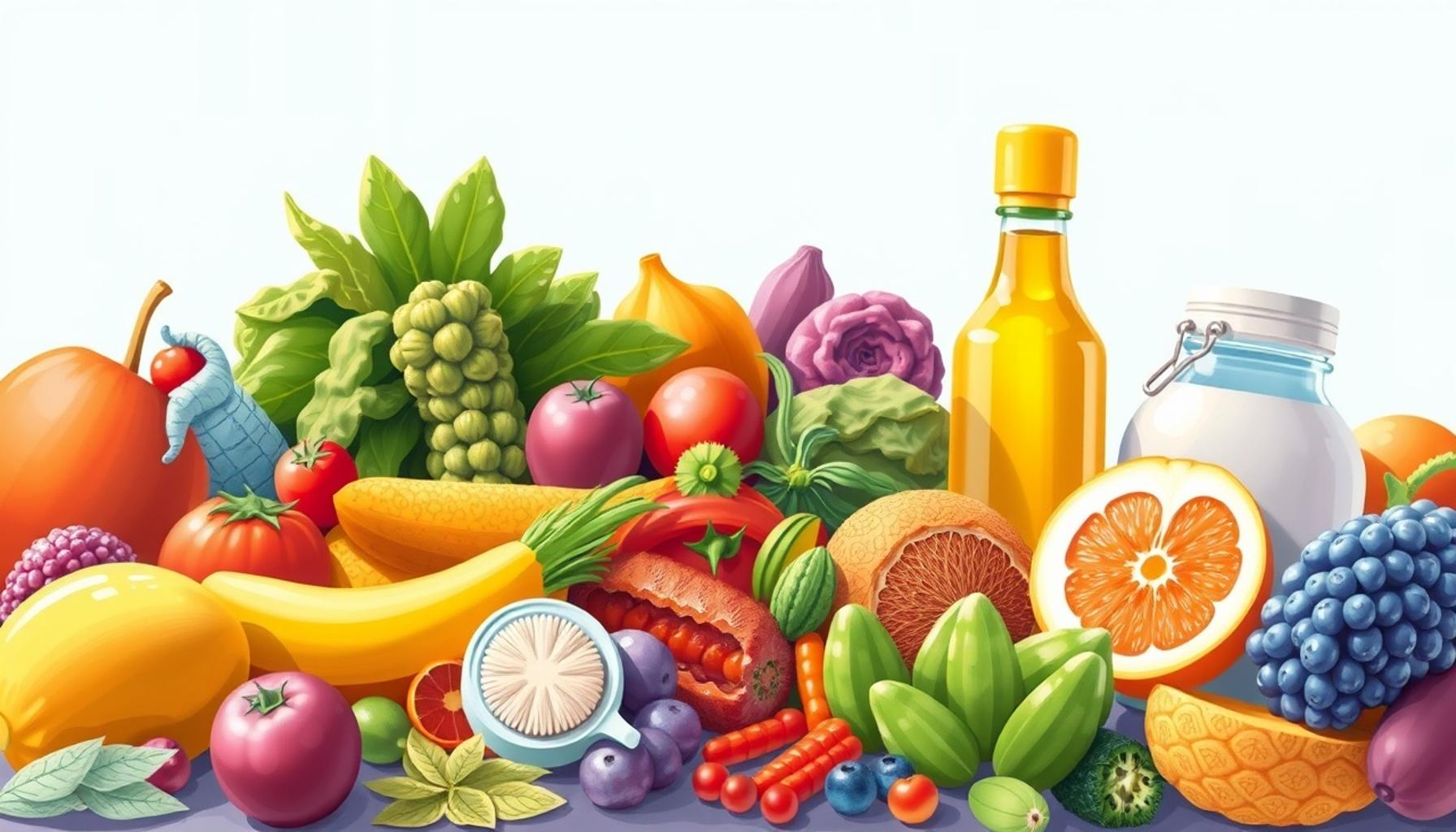
As we age, our skin undergoes various changes that can affect its texture, elasticity, and overall appearance. One crucial factor that significantly influences skin health is nutrition. A balanced diet can play a vital role in combating the visible signs of aging.
The Role of Nutrients in Skin Health
Research suggests that specific nutrients are essential for maintaining youthful skin. These nutrients work synergistically to nourish the skin from within, promoting its resilience and radiance. Consider the following examples:
- Antioxidants: These compounds, found abundantly in colorful fruits and vegetables such as berries, spinach, and carrots, play a critical role in fighting free radicals. Free radicals are unstable molecules that can cause oxidative stress, leading to premature aging. Consuming a diet rich in antioxidants can help neutralize these free radicals, thereby reducing the signs of aging and improving skin texture.
- Healthy fats: Omega-3 fatty acids, prevalent in foods like walnuts, flaxseeds, and fatty fish such as salmon, promote skin hydration and elasticity. Research indicates that these essential fats can enhance the skin’s lipid barrier, which is crucial for retaining moisture. This improved hydration can help reduce the appearance of wrinkles and fine lines, ensuring that skin remains supple and youthful.
- Vitamins C and E: These powerhouse vitamins are vital for collagen production, a protein that gives skin its structure and firmness. Vitamin C is found in citrus fruits, bell peppers, and strawberries, while Vitamin E can be sourced from nuts, seeds, and green leafy vegetables. Together, they protect the skin from UV damage and environmental stressors, further maintaining a vibrant complexion.
Hydration: The Key to Skin Moisture
While these nutrients are essential, hydration plays a fundamental role in skin health. Drinking enough water daily—generally recommended to be at least eight 8-ounce glasses—helps maintain skin moisture. Foods with high water content, such as cucumbers, watermelon, and oranges, can also contribute to hydration. When the body is well-hydrated, it reflects not just in how we feel but in the youthful glow of our skin as well.
Practical Tips for Nourishing Your Skin
It is clear that while many seek topical solutions for skincare issues, the foundation of healthy, youthful skin often lies within our plates. Understanding how specific dietary choices impact skin aging can lead to better skincare practices. To enhance your skin’s vitality:
- Incorporate a variety of colorful fruits and vegetables into your daily meals.
- Include sources of healthy fats, such as avocados and olive oil, to promote elasticity.
- Make it a habit to stay hydrated, both through water consumption and water-rich foods.
In this article, we will delve deeper into how proper nutrition serves as a preventive measure against skin aging, providing you with practical tips and insights to enhance your skin’s vitality. Get ready to discover the optimal dietary approach to keeping your skin glowing and resilient!
DIVE DEEPER: Click here to discover the soothing benefits
Key Nutrients That Shield Against Skin Aging
Understanding the relationship between nutrition and skin health necessitates a closer look at the specific nutrients that can actively promote a youthful appearance. Each nutrient serves a particular function, working harmoniously to combat the effects of aging on our skin’s appearance and texture. Here’s a detailed overview of these vital nutrients:
Vitamin A: The Cellular Regenerator
Among the most potent nutrients for skin rejuvenation is Vitamin A. This vitamin plays a critical role in cell turnover, which helps maintain fresh and vibrant skin. Found in foods like sweet potatoes, carrots, and dark leafy greens, Vitamin A encourages the production of new skin cells while also facilitating the repair of damaged tissue. It aids in reducing the appearance of age spots and promotes an even skin tone, making it a worthy addition to a comprehensive anti-aging regimen.
B Vitamins: The Powerhouse Trio
Another group of nutrients, the B vitamins, are essential for skin vitality. Vitamins B3, B5, and B7, in particular, aid in maintaining skin hydration and elasticity. B3, also known as niacinamide, is particularly effective in strengthening the skin’s moisture barrier, which in turn reduces the likelihood of dryness that can lead to fine lines. You can find B vitamins in whole grains, legumes, and eggs, ensuring that your overall diet is well-rounded.
Zinc: The Skin Protector
Emphasizing the importance of minerals, zinc is often overlooked in discussions about nutrition and skin aging. This trace mineral plays a pivotal role in the healing process and helps reduce inflammation, which can lead to premature aging. Zinc is crucial for the synthesis of collagen, the key protein responsible for skin structure. Foods rich in zinc include shellfish, pumpkin seeds, and chickpeas, making it important for anyone looking to enhance their skin’s resilience against aging.
Polyphenols: Nature’s Antioxidant Shield
Polyphenols, found in various plant-based foods, are another powerful tool in the fight against skin aging. These compounds exhibit strong antioxidant properties, helping to protect skin cells from oxidative stress caused by pollution and UV radiation. Green tea, dark chocolate, and berries are excellent sources of polyphenols and can significantly contribute to a more youthful complexion. Regular consumption of these foods offers a delicious way to infuse your diet with age-defying properties.
Practical Dietary Incorporations
Incorporating these essential nutrients into your diet may seem daunting, but simple adjustments can yield significant results. Here are a few practical suggestions:
- Start your day with a breakfast rich in fruits and whole grains, such as oatmeal topped with berries and nuts.
- Include vegetable-rich salads in your lunch and dinner, adding sources of protein and healthy fats to enhance nutrient absorption.
- Snack on fruits or nuts that are high in vitamins and minerals instead of processed snacks.
By understanding the integral role that nutrition plays in the prevention of skin aging, you can make informed decisions that support your skin’s natural vitality. The right dietary choices can free you from solely relying on cosmetic solutions, offering a holistic way to achieve healthy, glowing skin.
Nutrition plays a pivotal role in maintaining skin health and preventing signs of aging. The food we consume directly influences our skin’s appearance, texture, and overall vitality. A diet rich in antioxidants, vitamins, and healthy fats can significantly slow down the aging process, while poor dietary choices can expedite it.One of the crucial components in fighting skin aging is antioxidants, found abundantly in fruits and vegetables. These molecules combat oxidative stress caused by free radicals, which contribute to the deterioration of skin cells. For example, foods like berries, spinach, and avocados can enhance your skin’s resilience and promote a youthful appearance. Moreover, Vitamin C, prevalent in citrus fruits, not only supports collagen synthesis but also protects the skin from UV damage.Additionally, Omega-3 fatty acids, found in fatty fish, walnuts, and flaxseeds, provide essential nourishment that keeps skin cells supple and hydrated. These fats are known to reduce inflammation, which is directly linked to skin aging. Incorporating these foods into your daily diet can lead to visible improvements in skin texture and elasticity.Hydration is another vital aspect of this equation. Drinking ample water helps maintain skin moisture and elasticity, preventing the formation of fine lines and wrinkles. It’s advisable to pair your water intake with hydrating foods, such as cucumbers and watermelon, to enhance your skin’s natural glow.Furthermore, the role of gut health in skin vitality cannot be overlooked. A diet rich in probiotics and fiber can foster a healthy gut microbiome, which is linked to improved skin conditions. Foods such as yogurt, kefir, and fermented vegetables support skin health by reducing inflammation and enhancing overall skin appearance.In essence, a balanced diet that prioritizes nutrient-dense foods is not merely a personal choice but a powerful tool in the fight against skin aging. By understanding the profound impact of nutrition on skin health, individuals can make informed dietary choices that promote a youthful, radiant complexion.
DISCOVER MORE: Click here to learn about the benefits of essential oils in your skincare routine
Healthy Fats and Their Importance in Skin Health
While we often steer clear of fats in pursuit of health, healthy fats play a crucial role in maintaining youthful skin. Omega-3 fatty acids, in particular, are known for their anti-inflammatory properties, which can help stave off skin conditions such as acne, psoriasis, and eczema. These essential fats can be found in cold-water fish like salmon and mackerel, as well as in plant sources like flaxseeds and walnuts. Incorporating these into your diet not only improves skin hydration but also enhances overall skin texture by reinforcing the skin’s lipid barrier.
Hydration: The Essence of Skin Vitality
No discussion on skin health would be complete without addressing the pivotal role of hydration. Dehydrated skin is more likely to exhibit signs of aging, much like a dried-up sponge can become ragged and cracked over time. Water is essential for maintaining skin elasticity and suppleness. Beyond simply drinking water, incorporating hydrating foods such as cucumbers, oranges, and watermelon can provide a refreshing boost. Aim for a hydration-focused diet alongside your nutrient-rich meals to ensure your skin remains plump and youthful.
Antioxidant-Rich Foods: Combatting Free Radicals
In addition to individual nutrients, the consumption of antioxidant-rich foods offers powerful protection against the physical signs of aging. Free radicals, generated by environmental stressors, lead to oxidative damage, accelerating the aging process. Foods abundant in antioxidants, such as brightly colored fruits and vegetables, can neutralize these harmful compounds. Berries, spinach, and dark leafy greens are not only excellent for your skin but also for your overall health. Regularly adding these ingredients to smoothies, salads, or main dishes will help bolster your defense against skin aging.
The Role of Collagen Supplements
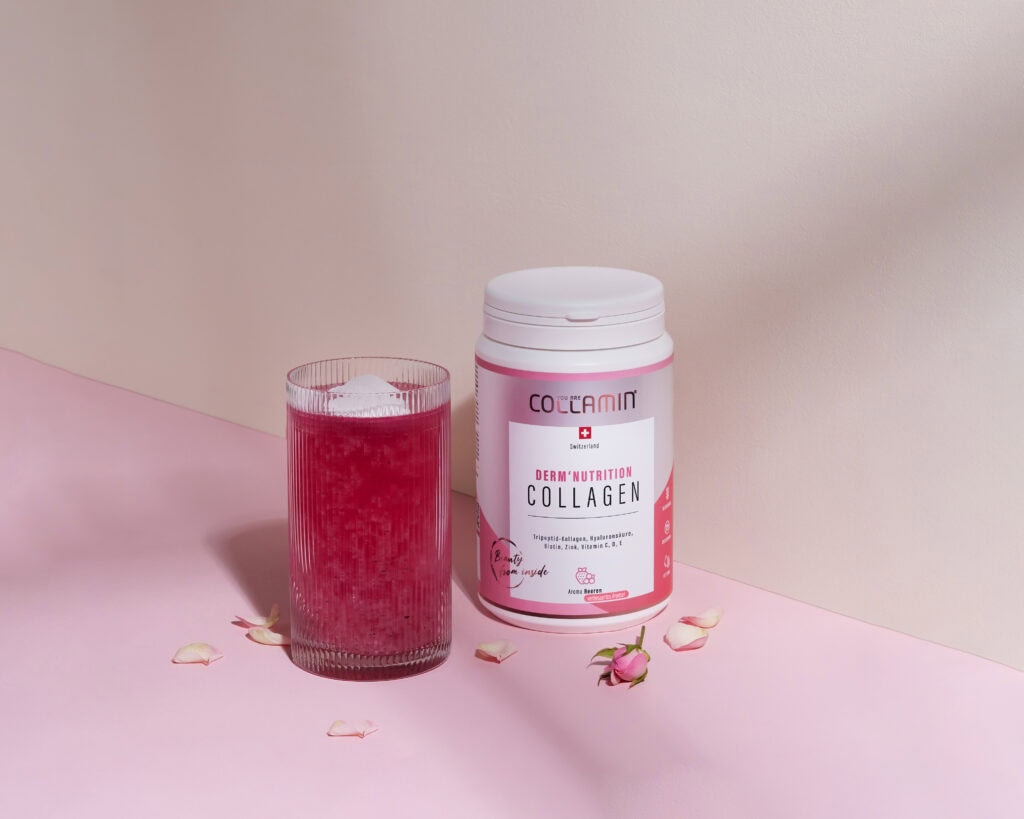
In recent years, the popularity of collagen supplements has surged, and for good reason. Collagen, a vital protein for skin structure, diminishes with age, leading to sagging and wrinkles. Studies have shown that ingesting collagen peptides can improve skin elasticity and moisture levels. Bone broth and collagen-boosting vitamin C-rich foods, such as oranges and kiwi, can also promote your body’s natural collagen production. As collagen forms the scaffold that holds our skin together, supporting its formation through dietary means can lead to visibly younger skin.
Embracing a Holistic Approach
While the specific nutrients mentioned above play key roles in skin health, adopting a holistic approach to nutrition is equally important. This involves not just what you eat, but also how you live. Stress management, regular physical activity, and sufficient sleep are crucial complements to a nutrient-rich diet. Chronic stress, for example, is linked to various skin issues, including accelerated aging. Incorporating mindfulness practices, such as yoga or meditation, alongside healthy eating can yield long-term benefits for your skin.
Ultimately, the path to preventing skin aging lies in a balanced, nutritious diet that prioritizes a variety of foods. Engaging with the rich tapestry of nutrients available can foster skin that looks and feels youthful, irrespective of the number of candles on your birthday cake.
DISCOVER MORE: Click here to learn how seaweed extracts can benefit your skin
Conclusion: The Key to Youthful Skin Lies in Nutrition
To wrap up our exploration of the role of nutrition in preventing skin aging, it is evident that a well-rounded diet rich in essential nutrients can have a profound impact on skin health. From healthy fats that bolster the skin’s barrier to hydration that keeps it supple, every dietary choice contributes to a glowing complexion. Moreover, the inclusion of antioxidant-rich foods helps combat oxidative stress, while collagen supplements offer a targeted approach to maintaining skin structure and resilience.
Adopting a holistic approach to skin care means recognizing that nutrition is just one piece of the puzzle. Paired with stress management techniques, regular exercise, and sufficient sleep, a nutrient-dense diet enhances not only the skin’s appearance but overall well-being. Remember that the journey to youthful skin is not solely about quick fixes; it requires consistent, healthy lifestyle choices that prioritize nurturing your body from the inside out.
As you contemplate your next meals, consider the impact of your choices on your skin. Engaging with a variety of nutrient-rich foods will not only invigorate your complexion but also promote long-term health, keeping you vibrant no matter your age. So, embark on this transformative journey to embrace a diet that supports not only your skin’s vitality but your entire being.
Related posts:
Innovative Aesthetic Treatments for Facial Rejuvenation: What's New?
Skincare Routines for Different Ages: How to Adapt Your Anti-Aging
Herbs and Natural Extracts: Anti-Aging Solutions You Can Use at Home
The Role of Antioxidants in the Fight Against Skin Aging
The Importance of Hydration in Preventing Skin Aging
The Science Behind Anti-Aging Treatments: What Research Is Discovering?

Beatriz Johnson is a seasoned skincare specialist and writer with a passion for simplifying the complexities of beauty science and skincare routines. With over a decade of experience in the aesthetics industry, she specializes in topics like ingredient efficacy, anti-aging strategies, and global beauty trends. Through her work, Beatriz empowers readers to make informed skincare choices and stay ahead in the ever-evolving world of beauty and wellness.