
The Role of SPF in Facial Care: How to Protect Your Skin from Sun Damage

The Role of SPF in Skincare
The sun can be both a friend and a foe. While it provides essential vitamin D, excessive exposure can lead to severe skin damage. One of the most effective ways to protect your skin is through the use of Sun Protection Factor (SPF).
SPF serves as a shield, safeguarding the skin from harmful ultraviolet (UV) rays that the sun emits. These rays can accelerate aging and increase the risk of skin cancer. While many people are aware of the dangers of UV radiation, few fully grasp the significance of integrating SPF into their daily routines.
Prevents Skin Damage: Regular application of SPF helps in minimizing sunburn and pigmentation, which can lead to long-term skin damage. For instance, a sunburn is not just an uncomfortable experience but a sign that your skin’s protective barrier has been compromised. This can result in lasting effects such as uneven skin tone or dark spots. Products that contain SPF can serve as a preventative measure against these outcomes, promoting a more even complexion.
Reduces Skin Cancer Risk: The relationship between UV exposure and skin cancer is well-documented. Daily use of SPF can significantly lower the chances of developing various types of skin cancers, including melanoma, basal cell carcinoma, and squamous cell carcinoma. According to the American Academy of Dermatology, regular use of sunscreen with an SPF of 30 or higher can reduce the risk of melanoma by 50%, highlighting its protective power.
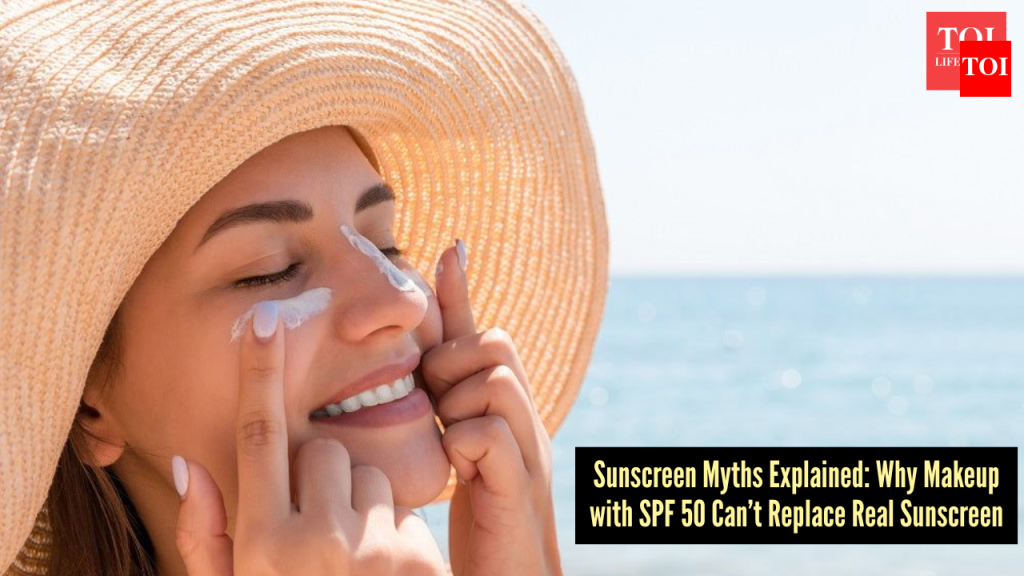
Maintains Skin Health: Incorporating SPF into your daily routine can keep the skin youthful by preventing premature wrinkles and sagging. UV rays can break down collagen and elastin in the skin, leading to loss of elasticity. Thus, consistently using SPF products helps maintain skin integrity, promoting a smoother appearance over time.
However, not all SPF products are created equal. Understanding the different types can help you make an informed choice. Broad-Spectrum Protection: This type of sunscreen shields against both UVA and UVB rays, offering comprehensive protection. UVA rays penetrate deeply into the skin and are primarily responsible for aging, while UVB rays cause sunburn and are linked to skin cancers.
- Water Resistance: Look for SPF products labeled as water-resistant, which last longer during perspiration or swimming. This is particularly essential for outdoor activities, like a day at the beach or working out in the park.
- SPF Ratings: Understand that the SPF rating indicates the level of protection; a higher rating means better defense against UV exposure. For most people, an SPF of at least 30 is recommended for everyday use, while those with sensitive skin or a history of skin issues may opt for an SPF of 50 or more.
In the hustle of modern life, many overlook this essential aspect of skincare. Despite busy schedules, setting aside a few moments for the application of SPF is a crucial step towards achieving healthy, radiant skin. As consumers, it’s vital to educate ourselves about the products we use, ensuring we choose formulations that not only fit our lifestyle but also provide our skin with the protection it truly deserves.
DIVE DEEPER: Click here to discover the benefits of facial masks
Understanding the Importance of SPF in Daily Skincare
In the quest for glowing and healthy skin, one essential element reigns supreme: sun protection factor (SPF). The role of SPF in daily skincare is paramount and goes well beyond simply preventing a painful sunburn. Engaging with the sun thoughtfully can help avoid much graver long-term consequences, such as premature aging and even skin cancer, making it an absolute must in everyone’s skincare toolbox.
Damage from UV Rays: It’s a common misconception to think of sun damage as just skin burns that heal and fade away. However, the detrimental effects of ultraviolet (UV) radiation span far beyond these immediate issues. UV rays are classified into two main types—UVA and UVB. UVA rays penetrate deeply into the skin, contributing to skin aging and wrinkles by damaging collagen and elastin fibers. These rays can be especially active during the summer months and even on cloudy days, as they can penetrate clouds and windows easily. In contrast, UVB rays are more intense and are primarily responsible for superficial damage like sunburns. But both types of rays play a critical role in increasing the risk of skin cancers. Since SPF offers protection against both UVA and UVB rays, using a broad-spectrum sunscreen is essential for comprehensive skin defense.
Choosing the Right SPF Products
As the market for skincare grows, the vast array of SPF products can be daunting. However, understanding your skin’s needs makes the selection process much clearer. Here are crucial factors to guide your choice:
- Formulation: SPF products come in a variety of formulations, such as creams, gels, sprays, and sticks. While creams may provide thorough coverage, those with oily skin may prefer the lightweight feel of gel-based SPF. For on-the-go individuals, sprays offer quick application but require diligent coverage to ensure equal protection.
- Skin Type Compatibility: Identifying your skin type is vital when selecting an SPF. If you have oily or acne-prone skin, seeking oil-free or non-comedogenic options can help prevent breakouts. Conversely, those with dry or sensitive skin might benefit from products containing skincare ingredients like hyaluronic acid or glycerin that both protect and hydrate the skin.
- Application Frequency: No matter how high the SPF, its efficacy can diminish, particularly after exposure to water or sweat. Dermatologists recommend reapplying sunscreen every two hours, and even more frequently when swimming, to maintain the protective barrier.
The Myth of Cloudy Days: A frequent misconception is that cloudy or overcast days provide adequate protection from harmful UV rays. In fact, up to 80% of UV rays can still penetrate through clouds, which means sunny disposition or not, wearing SPF is imperative. This is particularly critical for those who enjoy outdoor activities or drive frequently; even glass cannot shield you from these invisible threats.
By delving into the world of SPF and its role in skincare, you’re not just investing in your present skin health; you’re cultivating your future skin’s resilience and youthful appearance. Taking a few moments each morning to apply a suitable SPF can have lasting impacts on the longevity and vibrancy of your skin. Understanding and valuing the importance of SPF will undoubtedly lead to wiser skincare choices.
When it comes to facial care, understanding the significance of SPF (Sun Protection Factor) in your skincare routine is crucial for maintaining healthy skin. SPF works by absorbing or reflecting damaging UV rays from the sun, thereby reducing the risk of sunburn and long-term skin damage, including premature aging and skin cancer. Regular use of SPF products can effectively shield your skin from harmful effects, making it an essential component of your daily skincare regimen.One of the most compelling advantages of incorporating SPF into your daily routine is its ability to prevent photoaging. Exposure to ultraviolet rays can lead to the breakdown of collagen and elastin, two proteins vital for skin elasticity and firmness. Over time, this results in fine lines, wrinkles, and loss of skin texture. By applying a broad-spectrum sunscreen with an appropriate SPF—ideally 30 or higher—you not only protect your skin from immediate sun damage but also delay the visible signs of aging.Moreover, SPF is not solely for sunny days. UV rays can penetrate clouds and glass, making it important to use sunscreen even when indoors or during overcast weather. This constant protection is crucial for maintaining an even skin tone, preventing hyperpigmentation, and safeguarding against skin conditions that may exacerbate with sun exposure. In addition to its protective qualities, SPF can work synergistically with other facial care products. For instance, antioxidants such as vitamin C can enhance the effectiveness of sunscreen, while moisturizing ingredients can provide necessary hydration alongside UV protection. Many modern formulas now integrate SPF with anti-aging ingredients, simplifying the skincare routine without compromising on efficacy.Ultimately, understanding how to effectively incorporate SPF into your facial care routine can significantly enhance your skin’s health and appearance. It represents a proactive approach to skincare, emphasizing prevention as utmost priority—an investment in your skin’s future that everyone should consider.
DISCOVER MORE: Click here to learn how to adapt your skincare routine
SPF and Its Role in Preventing Long-Term Skin Damage
Understanding the right application of SPF is only one piece of the skincare puzzle. Integrating SPF into your daily routine is crucial for maximizing its protective benefits. To harness the power of SPF and effectively shield your skin, it’s essential to establish a consistent habit of daily sun protection, regardless of the weather or planned activities.
The Critical Daily Routine
In many cases, people underestimate the necessity of applying sunscreen even indoors. The truth is that UV rays can bounce off surfaces such as water, sand, and even concrete, extending their reach and increasing the risk of skin exposure. To mitigate damage, the recommended approach is to apply broad-spectrum sunscreen with a minimum SPF of 30 every day, making it a non-negotiable part of your facial care regimen. Here are some practical steps to ensure effective sun protection:
- Apply Generously: When applying SPF, most adults require about a nickel-sized amount for their face alone. Don’t forget to cover often-overlooked areas such as the ears, neck, and even the back of the hands, where signs of aging can prominently appear.
- Timing Is Everything: For maximum effectiveness, apply sunscreen at least 15 to 30 minutes before going outside. This allows the product to fully absorb and form a protective barrier against UV rays.
- Layer It Up: If wearing makeup, consider using a tinted moisturizer or foundation with added SPF. However, do not rely solely on makeup for sun protection; use a dedicated sunscreen first and then layer makeup on top.
- Watch the Expiration Date: Sunscreens do have a shelf life. Check the label for the expiration date, as using an expiredproduct might diminish its effectiveness in protecting your skin.
Combining SPF with Other Skin Solutions
Combining SPF with other skincare treatments can enhance its protective capabilities significantly. Ingredients such as antioxidants (like Vitamin C) can complement sunscreens by neutralizing free radicals that contribute to skin damage. Implementing a skincare routine that includes products with retinoids and hyaluronic acid can improve your skin’s overall texture and moisture, helping it to better rebound from any potential sun damage.
Moreover, many consumers are turning to oral supplements aimed at enhancing skin protection from the inside out. Ingredients such as polypodium leucotomos, an extract derived from a tropical fern, have gained popularity due to their potential to increase your skin’s resistance to UV exposure.
The Role of Professional Treatments
In addition to daily SPF application and a well-rounded skincare routine, professional treatments can also play a role in skin protection. Regular visits to a dermatologist for skin assessments and treatments such as chemical peels, laser therapy, or microneedling can help reverse existing damage caused by sunlight and slow down aging processes.
Understanding how essential SPF is, not just as an afterthought for summer days, but as a year-round commitment, can empower consumers to make informed decisions about their skincare. By prioritizing SPF—and recognizing it as an integral part of daily care—you can build the foundation for long-lasting skin health and vibrancy. The journey towards resilient skin is multifaceted, and SPF remains one of the most vital components in the prevention of sun damage.
DISCOVER MORE: Click here to learn how to rejuvenate your skin
Conclusion: A Comprehensive Approach to Skin Protection
In conclusion, the role of SPF in facial care is indispensable in the battle against sun damage. As awareness around skin health grows, it’s crucial to acknowledge that sun exposure poses significant risks year-round, not just during sunny days. Adopting a daily routine that incorporates broad-spectrum SPF, regardless of the season or indoor activities, can dramatically lessen the risk of skin cancer and premature aging.
Moreover, combining SPF with other beneficial skincare solutions such as antioxidants, retinoids, and even professional treatments can create a robust defense against harmful UV rays. This multidimensional approach not only enhances skin protection but also promotes overall skin health, ensuring your complexion remains vibrant and youthful.
As you move forward in your skincare journey, consider SPF not merely as another beauty product but as a fundamental component of your daily regimen. Staying informed about the latest advancements in sun protection and skin care is vital, encouraging you to explore the myriad of options available—from physical sunscreens to innovative skincare formulations.
Ultimately, shielding your skin from the sun’s damaging effects is an empowering choice that paves the way for a lifetime of radiant health. Embrace the protective magic of SPF, and take proactive steps towards safeguarding your skin, ensuring not only beauty today but also vitality in the years to come.
Related posts:
The Influence of Stress on Facial Skin: How to Combat Breakouts and Dullness
Cultural Influences on Facial Care Routines: A Look at Global Practices and Traditions
The Science Behind Skincare Ingredients: What to Look for in Your Facial Care Products
Facial Care for Different Ages: Tailoring Your Routine from Teens to Seniors
Innovations in Facial Care Technology: Exploring the Latest Tools and Devices for Home Use
Exploring the Rise of At-Home Facial Treatments: DIY Techniques for Radiant Skin

Beatriz Johnson is a seasoned skincare specialist and writer with a passion for simplifying the complexities of beauty science and skincare routines. With over a decade of experience in the aesthetics industry, she specializes in topics like ingredient efficacy, anti-aging strategies, and global beauty trends. Through her work, Beatriz empowers readers to make informed skincare choices and stay ahead in the ever-evolving world of beauty and wellness.