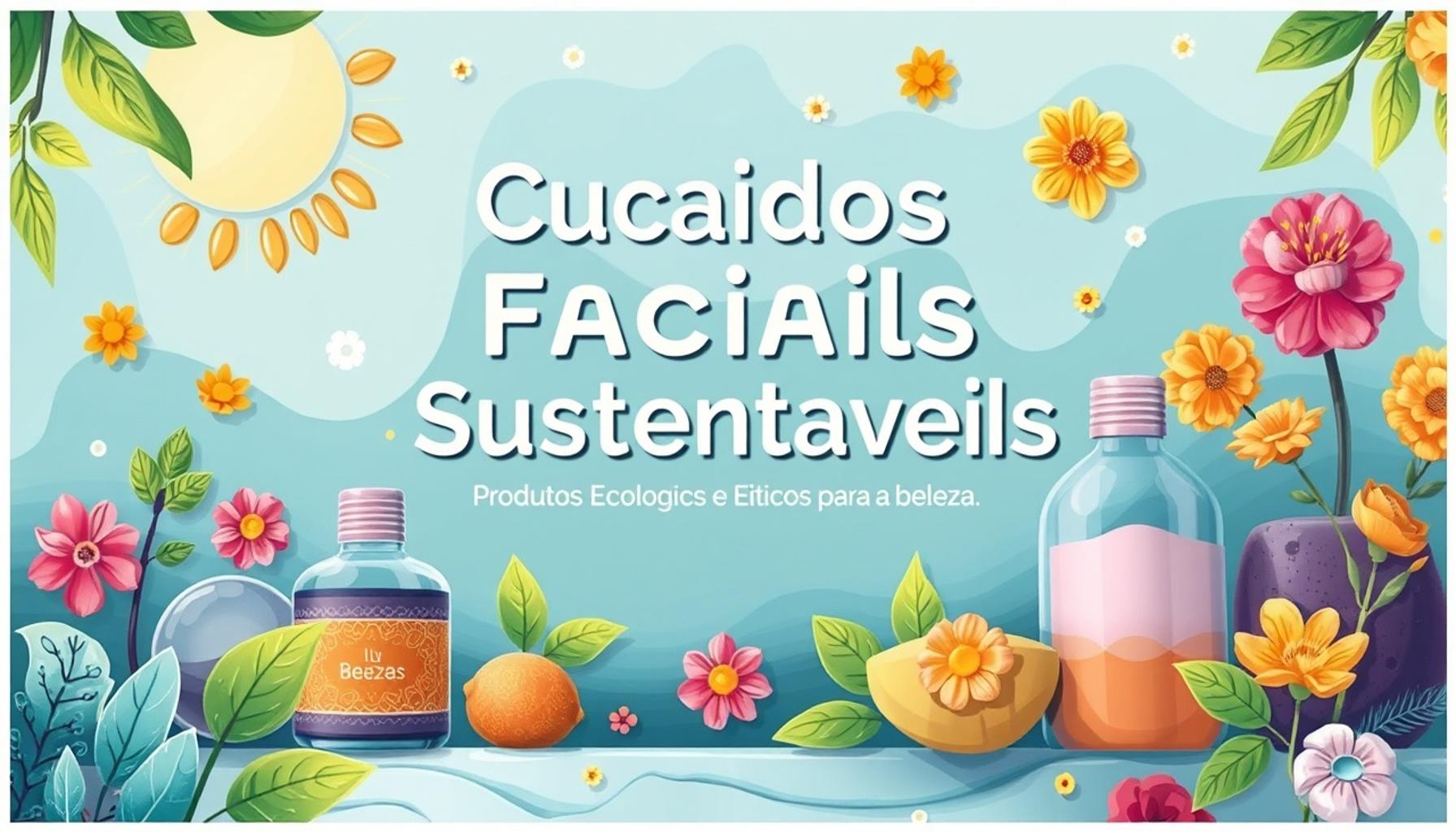
Sustainable Facial Care: Ecological and Ethical Products for Beauty
The Evolution of Conscious Beauty Choices
In recent years, the beauty industry has witnessed a significant transformation as consumers increasingly prioritize sustainable practices within their skincare routines. The rise of sustainable facial care products speaks to a broader cultural shift towards environmental awareness and personal responsibility. As people strive to enhance their beauty, they also seek to ensure their choices do not compromise the health of the planet.
Understanding what constitutes sustainable facial care begins with a closer look at the ingredients. These products often feature organic and non-toxic components, which minimize harm to the environment and the human body. For example, ingredients such as jojoba oil, aloe vera, and shea butter are not only effective in moisturizing and nourishing the skin but are also derived from renewable sources. Moreover, consumers should be wary of harmful additives found in many conventional skincare products, such as parabens and sulfates, which can have detrimental impacts on both personal health and the ecosystem.
Innovative Packaging Solutions
Another critical factor to consider in your skincare journey is the packaging of these products. Many brands are pioneering eco-friendly packaging solutions, opting for recyclable or biodegradable materials to reduce waste. For instance, some companies have shifted to using glass containers or compostable materials instead of plastic. This not only decreases their carbon footprint but also encourages consumers to think critically about their own packaging waste. A notable example includes brands like Ethique, which specializes in plastic-free shampoos and conditioners, thereby championing a zero-waste lifestyle.
Supporting Ethical Practices
Ethics play an essential role as well. When selecting skincare products, consider companies that are committed to fair labor practices and animal welfare. Brands that are certified cruelty-free, such as Fenty Beauty, demonstrate a commitment to ethical sourcing and production. By choosing these brands, consumers support a framework that values humane treatment of animals and equitable labor conditions, embodying a compassionate approach to beauty.
The landscape of skincare in the United States is becoming increasingly populated with brands that emphasize ecological and ethical products. This movement reflects not only a trend but a profound realization of the interconnectedness of beauty, health, and the environment. Consumers are encouraged to engage with their choices more thoughtfully and explore the broader implications of their beauty routines.
As you delve into the nuances of sustainable facial care, take the time to research how your product choices can positively or negatively impact the world around you. A commitment to sustainability can lead to a more fulfilling skincare routine, allowing individuals to embrace beauty without compromising their principles. Discover the satisfying intersection between aesthetics and eco-consciousness, and become a part of the solution in promoting a healthier, greener planet.
DISCOVER MORE: Click here for tailored makeup tips
Ingredients That Matter
As the demand for sustainable facial care continues to surge, understanding the significance of ingredients used in skincare products becomes crucial. More consumers are turning to formulas that harness the power of nature, favoring plant-based ingredients and excluding harmful chemicals. These natural elements not only enhance the skin’s health but also promote sustainability.
In the realm of sustainable skincare, some of the most sought-after ingredients include:
- Jojoba Oil: Known for its excellent moisturizing properties, jojoba oil is a liquid wax that closely resembles human sebum, making it suitable for all skin types.
- Aloe Vera: A renowned soothing agent, aloe vera not only hydrates but also possesses healing properties, making it ideal for irritated or sunburned skin.
- Shea Butter: This superfood for the skin is rich in vitamins A and E. It offers deep conditioning while promoting elasticity, ultimately leading to a youthful appearance.
- Rosehip Oil: Packed with antioxidants, rosehip oil assists in skin regeneration and can help reduce scars and fine lines.
While these ingredients may be gentle on the skin and derived from renewable resources, it’s equally important to scrutinize the sourcing practices involved. Sustainable brands are transparent about where they obtain their ingredients, often partnering with local farmers who cultivate plants using organic methods. This not only supports local economies but also reduces the carbon footprint associated with transporting ingredients over long distances.
The Role of Certifications
When navigating the sea of products available in the market, it is essential for consumers to seek out certifications that validate a brand’s commitment to sustainability and ethics. Certifications like USDA Organic, Non-GMO Project Verified, and Fair Trade offer an assurance that the products adhere to specific standards. Such labels can guide consumers in making informed choices, ensuring that the products they apply to their skin align with their ecological values.
In addition to organic certifications, eco-labels indicate environmentally friendly practices. For example, the Leaping Bunny certification guarantees that no animals were harmed during testing, which resonates with the values of many skincare aficionados who wish to champion animal welfare.
As consumers develop a deeper understanding of their skincare products, they can empower themselves by making more conscious choices. By focusing on sustainably sourced, ethical ingredients and prioritizing transparency through certifications, individuals can not only care for their skin but also contribute positively to global environmental efforts. Embracing sustainable facial care is more than just a trend; it represents a holistic lifestyle choice aimed at fostering a healthier planet.
| Advantages | Key Benefits |
|---|---|
| Natural Ingredients | Minimal chemicals and pollutants enhance skin health while reducing allergies. |
| Cruelty-Free Practices | Ethical sourcing and production uphold animal rights and advocate for humane beauty. |
The surge in interest towards sustainable facial care has brought ecological and ethical practices to the forefront of the beauty industry. As consumers increasingly prioritize their health and the environment, natural ingredients in skincare products have garnered attention. These ingredients are not only beneficial for the skin — often being rich in antioxidants and vitamins — but they also come with a significantly lower environmental footprint compared to their synthetic counterparts.One of the most commendable shifts is towards cruelty-free practices. Brands that opt for ethical sourcing not only comply with moral standards but also promote a healthier ecosystem. This approach encourages the use of cruelty-free testing methods and reinforces the importance of humane production processes in the beauty realm. As more people embrace this ethical consciousness, the demand for sustainable options will only grow, encouraging wider change within the industry.
DISCOVER MORE: Click here to learn how stress impacts your skin
The Importance of Packaging
When it comes to sustainable facial care, packaging plays a pivotal role that is often overlooked. With the rising awareness of plastic pollution and its devastating impact on our planet, conscious consumers are increasingly scrutinizing how their favorite products are packaged. Sustainable packaging not only minimizes waste but also demonstrates a brand’s commitment to environmental stewardship.
Eco-friendly packaging options include:
- Glass Containers: These are infinitely recyclable and reduce the reliance on single-use plastics. Many brands are transitioning to glass for serums and moisturizers, enhancing the product’s shelf life while remaining aesthetically pleasing.
- Bamboo and Biodegradable Materials: Some brands opt for bamboo tubes or compostable containers made from plant-based materials. These biodegradable options break down more quickly than traditional plastics, thus diminishing long-term environmental impacts.
- Refill Programs: Innovative brands like By Rosie Jane and RMS Beauty are embracing refillable containers, allowing consumers to buy bulk refills and substantially reduce waste generated from single-use packaging.
Furthermore, brands that prioritize minimalist packaging strategies not only reduce resource use but also pass on cost savings to consumers. For example, fewer materials used in production can lead to lower prices, thus appealing to a wider audience.
The Power of Local and Ethical Sourcing
Supporting local businesses is not only beneficial for the economy but also aligns with sustainable practices. Ethically sourced ingredients are integral to sustainable facial care. This means that brands are taking responsibility for the entire supply chain—from farming methods to fair labor practices. The increasing transparency around ingredient sourcing has empowered consumers to make better choices for both their skin and the planet.
Some notable examples of ethical brands making waves in the sustainable skincare arena include:
- Herbivore Botanicals: Committed to vegan, cruelty-free products, this brand emphasizes the use of natural, ethically sourced ingredients, and their packaging is either recyclable or compostable.
- True Botanicals: This brand showcases premium, sustainably sourced ingredients while ensuring that their manufacturing processes are environmentally responsible, thus appealing to eco-conscious consumers.
- 100% Pure: As the name suggests, this brand is dedicated to pure formulations created from natural, organic ingredients, with a strong emphasis on responsible sourcing and eco-friendly packaging.
Moreover, brands that engage in fair trade practices ensure that farmers receive a fair wage for their labor, thereby fostering a more equitable global economy. The integration of fair trade into sustainable skincare is gaining traction, signaling not just a product choice but a movement towards equality.
Consumer Education and Awareness
As the sustainable skincare narrative evolves, consumer education becomes paramount. Savvy shoppers are increasingly engaging with brands on social media and seeking out information about sustainable facial care practices. Platforms such as Instagram serve as valuable resources for uncovering the stories behind products and connecting with likeminded individuals.
Working towards conscious consumerism is about more than just purchasing—it’s about understanding the broader impacts of our choices. By fostering discussions around sustainability, brands can motivate consumers to adopt practices that not only enhance their beauty routines but also promote a healthier planet.
This emerging dialogue encourages consumers to actively participate in the sustainability movement, equipping them with the tools and knowledge necessary to cultivate a more sustainable lifestyle, one beauty product at a time.
DISCOVER MORE: Click here to learn about foods that enhance facial beauty
Conclusion: Embracing a Sustainable Beauty Future
As we delve deeper into the world of sustainable facial care, it is evident that ecological and ethical practices are not just trends, but essential shifts in the beauty landscape. The growing preference for environmentally friendly products reflects a broader movement toward conscious consumerism, where each purchase possesses the potential to create a positive impact on the planet. Through eco-friendly packaging options such as glass and biodegradable materials, brands are taking substantial strides towards minimizing waste and reducing carbon footprints.
Moreover, the emphasis on ethical sourcing underscores the responsibility that brands have in ensuring fair labor practices and sustainable farming methods. This holistic approach means that every ingredient contributes not only to personal beauty but also to the well-being of communities and ecosystems. With examples from esteemed brands such as Herbivore Botanicals and True Botanicals, it is clear that consumers now have accessible choices that align with their values.
Furthermore, the role of consumer education plays a crucial part in empowering individuals to make informed decisions. With the advent of social media, consumers can now engage directly with brands and gather insights about sustainable practices, fostering a sense of community and shared responsibility.
Ultimately, embracing sustainable facial care is more than just a beauty regimen—it is a commitment to a healthier planet and an equitable economy. As awareness grows and innovation flourishes within the industry, consumers are invited to take an active role in shaping the future of beauty, one sustainable choice at a time. By rethinking our beauty habits, we can cultivate a greener and more ethical world for generations to come.