
The Revolution of Natural Cosmetics: How Small Brands are Changing the Beauty Landscape
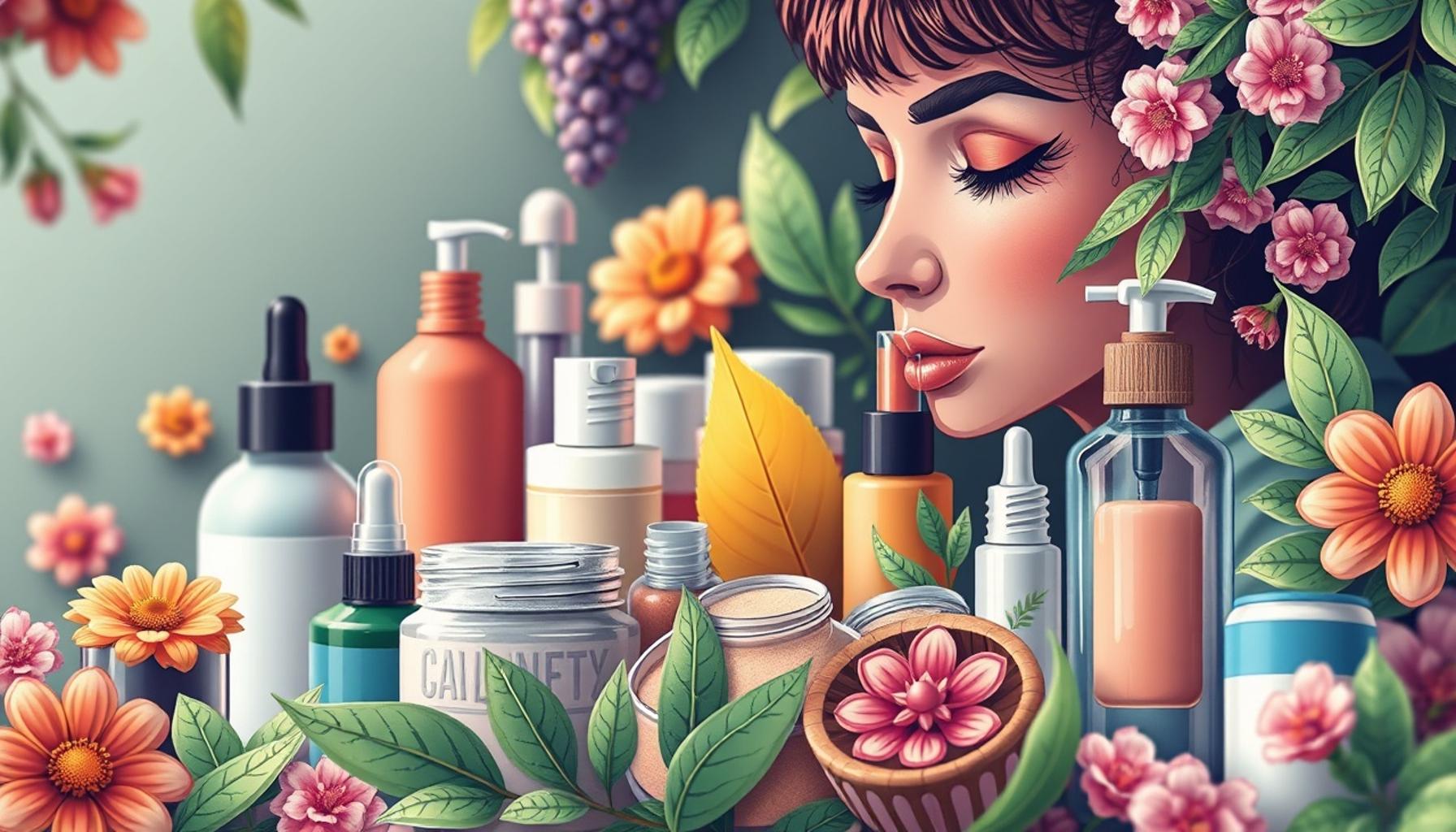
The Rise of Natural Cosmetics
In recent years, the beauty industry has undergone a significant transformation. Consumers are increasingly turning to natural cosmetics, seeking products that prioritize health, sustainability, and ethics. This shift is not just a trend; it’s a revolution led by innovative small brands changing the landscape of beauty.
A Shift in Consumer Preferences
Today’s consumers are informed and conscientious about their choices. They are looking for:
- Transparency: Shoppers today demand transparency in the products they use. They prefer ingredients that are sustainably sourced and favor companies that provide clear labeling, making it easier for consumers to understand what they are putting on their skin. For example, brands like 100% Pure offer a full disclosure of their natural ingredients, attracting health-conscious buyers.
- Eco-friendliness: There is an increasing shift toward sustainable packaging and formulations that are better for the planet. Many brands are now using biodegradable or recyclable materials to minimize their environmental footprint. An illustrative example is Ethique, a company that focuses on solid beauty bars, eliminating plastic packaging altogether and encouraging consumers to adopt a zero-waste lifestyle.
- Ethical practices: Modern consumers consider the ethics behind the products they purchase, favoring brands that support fair trade and cruelty-free testing. Companies like Tarte Cosmetics have committed to cruelty-free practices, affirming a commitment to responsible beauty.
The Impact of Small Brands
Small brands are at the forefront of this change, offering unique alternatives to mainstream beauty products. Their contributions include:
- Innovation: Small beauty brands are often more agile and creative, experimenting with organic and locally-sourced ingredients that larger corporations may overlook. For instance, the brand Herbivore Botanicals has become popular for its highly effective, plant-based formulations that resonate with consumers who seek an eco-friendly lifestyle.
- Community engagement: Many small brands prioritize building lasting connections with their customers who share similar values. Through social media and grassroots marketing, brands like Rugged & Dapper foster a sense of local community while promoting their natural men’s grooming products.
- Diversity: Small brands are often more focused on inclusivity, catering to a variety of skin types and tones that are frequently overlooked by larger corporations. Brands such as Fenty Beauty, though it has grown considerably, started as a smaller disruptor emphasizing diversity in the beauty industry, revolutionizing how products are formulated and marketed.
Why It Matters
The revolution of natural cosmetics highlights a demand for ethical beauty options. As consumers embrace these values, the beauty landscape will continue to evolve, offering exciting new choices and paving the way for a more sustainable future. According to a report by Grand View Research, the market for natural cosmetics is expected to reach $48 billion by 2025, emphasizing the substantial growth potential for companies emphasizing these principles. The shift towards natural cosmetics is not just a personal or individual decision; it reflects a broader societal commitment to sustainability and mindfulness that resonates across multiple sectors.
As this trend continues to grow, consumers are encouraged to explore the numerous brands and products available, making choices that align with their values while also supporting local and ethical businesses. By choosing natural cosmetics, consumers are not only enhancing their beauty routines but also contributing to a more sustainable future for the planet.
DISCOVER MORE: Click here for essential makeup tips
Transforming Beauty Norms through Innovation
As the natural cosmetics movement gains momentum, the influence of small brands has become a pivotal force in reshaping traditional beauty norms. These innovative companies are not just following the market trends; they are setting the stage for a new paradigm in the beauty industry. By prioritizing health-conscious ingredients, groundbreaking functionality, and community engagement, these brands are redefining what beauty means.
Craftsmanship Meets Purpose
Small brands often handcraft their products in small batches, underscoring a commitment to quality and authenticity. This artisanal approach allows them to experiment with unique formulations that larger corporations may deem too risky or unpopular. For example, Meow Meow Tweet specializes in vegan, cruelty-free cosmetics that are designed to appeal to the eco-savvy consumer. Their innovative use of food-grade ingredients and repurposed packaging highlights how small businesses balance sustainability with creativity.
Leveraging Technology for Eco-Friendliness
In addition to their craftsmanship, many small brands leverage cutting-edge technology to enhance their eco-friendly initiatives. They invest in research that allows for the extraction of potent ingredients while minimizing environmental impact. Brands like Moon Juice incorporate superfood ingredients into their beauty products, tapping into the holistic wellness trend that emphasizes inner beauty as well. This holistic approach resonates with consumers who are increasingly looking for products that nourish their skin and health simultaneously.
The Role of Community and Collaboration
For many emerging brands, building a strong community is essential to their growth and identity. By engaging directly with their customers through social media and sustainable events, brands like Black Girl Sunscreen foster a sense of belonging while promoting diversity and representation within the beauty industry. These brands not only prioritize transparency but also seek feedback from their patrons, creating products that align closely with consumer needs and preferences.
Such community-centric approaches also lead to collaborations with local artisans and other small businesses, further enhancing their impact. Research indicates that collaborative branding can increase market visibility, which is critical for small brands in a competitive landscape. Brands like Wildling, known for their sustainable facial tools, often collaborate with holistic practitioners to create educational content that deepens customer knowledge and loyalty.
Consumer Empowerment through Choice
The rise of natural cosmetics emphasizes not only the growing diversity of product choices but also consumer empowerment. As shoppers embrace these small brands, they are taking control of their beauty routines, opting for products that align with their personal values. According to Nielsen, brands that promote social responsibility and sustainability have seen a 66% increase in demand over the past two years alone. This trend indicates that consumers are increasingly prioritizing brands that reflect their values, making the rise of natural cosmetics a significant movement within the broader cultural context.
In their quest for ethical beauty, consumers are now equipped with the power to make informed choices that not only enhance their aesthetic but also contribute positively to the world around them. It is a revolutionary shift that invites everyone to rethink their beauty regimen, urging them to consider how their choices impact the environment and society as a whole.
The Rise of Small Natural Cosmetics Brands
The emergence of small brands in the natural cosmetics sector represents a shift in consumer preferences towards sustainability and authenticity. These brands are often founded by individuals passionate about eco-friendly and ethical practices. By focusing on high-quality, organic ingredients, small brands challenge the conventional beauty industry that has long prioritized mass production and profit over product integrity.One of the most compelling aspects of this revolution is the transparency these brands offer. Consumers are becoming increasingly aware of the harmful chemicals that are prevalent in mainstream beauty products. In response, smaller companies are stepping up to provide clear, honest ingredient lists and sourcing practices. For instance, brands often highlight their commitment to vegan, cruelty-free formulations, which resonate with a growing demographic that values ethical consumption and animal welfare.
Creating a Personal Connection
Small brands not only offer ethical products but also foster a sense of community. Many engage with customers on social media platforms, sharing the stories behind their creations and the inspiration behind their practices. This personal touch allows consumers to feel more connected to the products they use, bridging the gap between producers and consumers.Furthermore, these new players in the industry are championing customization and inclusivity. Many small brands cater to niche markets and diverse skin types, promoting products that are often overlooked by larger corporations. This tailored approach means that consumers can find products that truly fit their individual needs, promoting a more inclusive beauty landscape.
| Advantage | Impact |
|---|---|
| Natural Ingredients | Promotes healthy skin while avoiding harmful chemicals |
| Sustainable Practices | Encourages environmentally friendly production and packaging |
The natural cosmetics movement, led by these small brands, reflects a conscious shift in beauty culture, where consumers demand more than just aesthetics. They seek brands that align with their values and contribute positively to the broader environmental and ethical landscape. This trend indicates a pressing need for larger cosmetic companies to adapt or risk being left behind in a market that is increasingly valuing authenticity and responsibility.
DISCOVER MORE: Click here to uncover the connection
Redefining Consumer Engagement and Education
Alongside the emphasis on natural ingredients, small brands are revolutionizing the beauty landscape through *active consumer engagement* and *education*. Unlike larger corporations, which may rely heavily on traditional advertising methods that prioritize brand image over customer connection, small brands adopt a more personal, storytelling approach to marketing. Brands like Rituals focus on creating a narrative that resonates with their customer base, highlighting their brand story alongside the values they uphold, making the shopping experience feel more authentic.
Building Trust through Transparency
Transparency has become a cornerstone of consumer trust in the beauty industry, particularly for niche brands specializing in natural cosmetics. Brands such as Herbivore Botanicals take pride in presenting a detailed breakdown of their ingredient lists, shedding light on the sourcing and benefits of each component. This not only allows consumers to make informed choices but also promotes a deeper understanding of the products they are using. According to a study by Cosmetic Executive Women, 70% of consumers expressed a desire for greater transparency in beauty formulations, indicating that small brands filling this demand may have a competitive advantage.
The Impact of Social Media and Influencers
The rise of social media platforms has further fueled the growth of small brands in the natural cosmetics sector. Influencers and content creators have become essential advocates for these brands, leveraging their platforms to share personal experiences and product recommendations. *Micro-influencers*, defined as individuals with a following of 10,000 to 50,000, have demonstrated a higher engagement rate than their macro counterparts, making them ideal partners for smaller brands focusing on authenticity. Collaborations with these influencers can drastically increase brand awareness and drive sales, as they’ve successfully cultivated an atmosphere of trust and relatability with their audience.
Brands like Aether Beauty, known for their eco-conscious approach to production and sustainable packaging, harness this potential. By collaborating with influencers who align with their mission, they are able to reach audiences that are already aligned with their values, fostering an intimate connection that resonates more than traditional advertising.
Changing the Retail Landscape
Small brands are challenging conventional retail models by exploring direct-to-consumer (DTC) strategies and subscriptions that provide a personalized shopping experience. By cutting out the middleman, these brands can offer value through competitive pricing and closer customer relationships. A notable example is Glossier, which was built on community feedback, helping develop products that cater to genuine consumer needs. This DTC approach not only allows for increased margin per sale but also fosters brand loyalty as customers feel a part of the product creation process.
Subscription services, such as Allure Beauty Box, are also gaining traction in this landscape, allowing consumers to sample a myriad of natural products from various small brands without a long-term commitment. This fosters an environment of exploration, empowering consumers to discover which products work best for them while supporting the growth of emerging brands.
Focus on Inclusivity and Representation
The revolution in natural cosmetics is also marked by its dedication to inclusivity and representation. Brands like Fenty Beauty pioneered the concept of makeup for all skin tones, challenging the traditional marketing narratives that often excluded diverse consumers. The response from consumers has been immense, with a channel of increased demand for brands that prioritize inclusivity in their product offerings. Emerging brands are following suit, ensuring that their lines cater to a diverse clientele and reflect the beauty of varying backgrounds and experiences.
Collectively, the commitment to inclusivity, sustainability, and transparency in product development is leading to a vibrant landscape in the beauty industry, providing consumers with opportunities to align their purchases with their personal values while supporting brands that are revolutionizing the way beauty is perceived and experienced.
DISCOVER MORE: Click here to learn about the perfect facial care routine for your skin type
Conclusion: The Dawn of a New Beauty Era
The revolution of natural cosmetics led by small brands marks a significant transformation in the beauty landscape. As consumers increasingly prioritize *sustainability*, *transparency*, and *inclusivity*, these brands have swiftly adapted to meet evolving demands. The emphasis on authentic storytelling and proactive consumer engagement allows these brands to build lasting connections with their clientele, fostering trust and loyalty that often seems absent from larger corporations.
Furthermore, the rise of social media has empowered small brands to gain visibility and establish rapport with their target audiences through relatable influencer partnerships. With a more personalized retail approach—highlighted by direct-to-consumer strategies and subscription models—these brands are reshaping traditional shopping experiences, catering to a range of personal preferences and values.
As trends like inclusivity gain traction, small brands are not just setting a new standard for beauty products; they are redefining what it means to be truly accessible. Companies that prioritize a diverse range of products appeal to a wider audience, promoting the notion that beauty comes in many forms. This growing commitment to ethical practices and representation is creating a rich tapestry within the beauty industry, encouraging all consumers to explore products that resonate with their beliefs.
In conclusion, small brands are at the forefront of a beauty revolution that champions *natural ingredients*, *community involvement*, and *progressive values*. As they continue to innovate and inspire, it is evident that the future of beauty is not just about looking good—it’s about feeling good about the choices we make. In the quest for conscious beauty, consumers can now enjoy an array of options that align with their ideals, paving the way for a more responsible, authentic, and inclusive beauty landscape.