
The Impact of Stress and Diet on Facial Skin Health
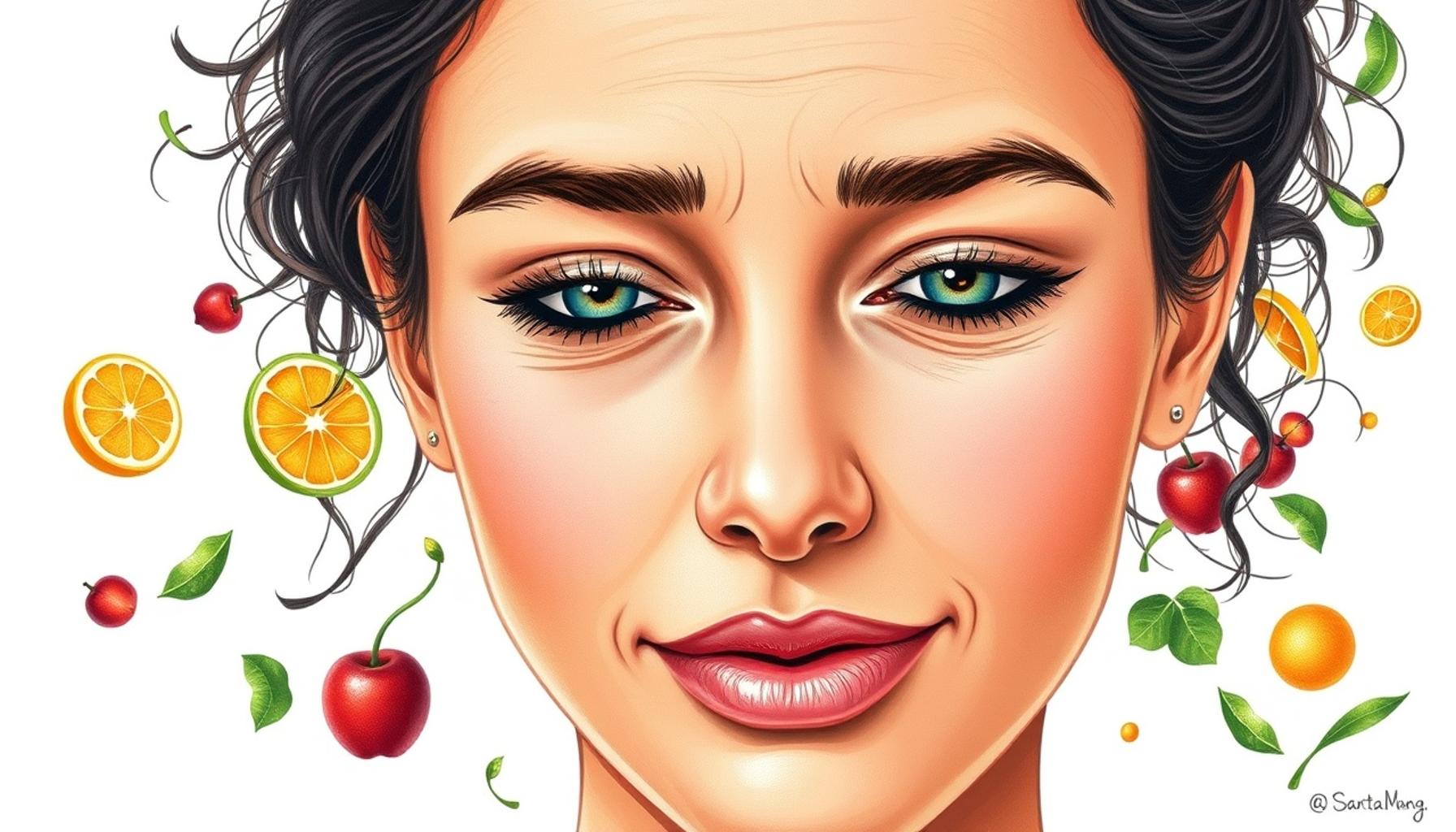
The Intricate Web of Stress, Diet, and Skin Health
The skin, particularly the facial skin, serves as a visible indicator of our overall health and wellbeing. Its condition is greatly influenced by a myriad of factors, prominently including stress and diet. These two elements create a dynamic interplay that can either enhance or detract from the skin’s natural beauty.
When stress levels soar, the body reacts in complex ways. One of the most immediate responses is the release of hormones such as cortisol, which can lead to an increase in oil production. Excess oil can clog pores, resulting in acne and breakouts. Furthermore, stress is known to heighten inflammation within the body, making the skin more prone to conditions like eczema and psoriasis, both of which can lead to discomfort and unsightly rashes.
Moreover, chronic stress can accelerate the aging process of the skin by breaking down collagen and elastin, the proteins responsible for maintaining skin’s structure and elasticity. A study published in the Journal of Investigative Dermatology found that individuals experiencing high levels of stress showed more noticeable signs of skin aging, underscoring the profound connection between emotional wellbeing and facial aesthetics.
On the flip side, incorporating a healthy diet into your routine can act as a powerful ally for your skin. Consuming foods rich in nutrients plays a vital role in skin health. For instance, collagen production can be boosted by consuming foods high in vitamin C, such as oranges, strawberries, and bell peppers, which also help in repairing skin and combating sun damage. A diet rich in omega-3 fatty acids, found in fish like salmon and nuts, has been shown to reduce inflammation and promote hydration, resulting in a healthier complexion.
Furthermore, essential vitamins and minerals found in whole foods can fortify skin health. Foods high in antioxidants, such as leafy greens, berries, and dark chocolate, protect the skin against oxidative stress, which is often exacerbated by environmental factors like pollution and UV exposure. This combination not only contributes to a glowing complexion but also aids in preventing premature aging.
In the United States, the awareness regarding how stress and dietary habits impact skin health is still evolving. Exploring this connection reveals a wealth of actionable strategies, such as adopting natural remedies—like herbal teas for relaxation or anti-inflammatory spices like turmeric in your meals. Additionally, effective stress management techniques, including mindfulness practices such as yoga or deep-breathing exercises, can greatly improve both mental health and skin appearance.
By delving into these intricate relationships, individuals can make informed choices that lead to long-term benefits for their skin. The journey toward healthier skin goes hand in hand with lifestyle adjustments that not only promote a radiant complexion but also foster a more balanced life overall. As you take steps to manage stress and fine-tune your diet, you may very well unlock the secrets to achieving beautifully healthy skin that reflects your inner vibrance.
DIVE DEEPER: Click here to learn more
The Ripple Effects of Stress on Facial Skin
Understanding the profound effects of stress on facial skin health begins with recognizing the physiological changes that occur when we find ourselves under pressure. When stress strikes, the body enters a “fight or flight” mode, triggering an alarm that leads to a chain reaction within our systems. Amongst other responses, the brain signals the adrenal glands to release hormones, notably cortisol, which governs various bodily functions. While cortisol plays a crucial role in managing metabolism and immune response, its consequences on skin health can be detrimental.
One major impact of elevated cortisol levels is the overproduction of sebum, the skin’s natural oil. While sebum serves an essential function in protecting and moisturizing the skin, excess production can lead to clogged pores and ensuing acne. In fact, dermatologists frequently note that stress-related acne is increasingly prevalent among adults, particularly in urban environments where the hustle and bustle contribute to heightened stress levels.
Moreover, stress triggers inflammatory pathways in the body. The result is heightened skin irritations, making existing skin conditions such as eczema, rosacea, and psoriasis flare worse. A survey conducted by the American Academy of Dermatology found that over 60% of respondents believed stress exacerbated their skin conditions. These findings illustrate a pressing need to address stress management as an integral part of skincare.
Another concern is the accelerated aging of the skin attributed to prolonged stress. Research published in the Journal of Dermatological Science indicates that chronic stress adversely affects the skin’s collagen and elastin levels, leading to the formation of fine lines and wrinkles. This physiological degeneration not only alters appearance but also heightens self-consciousness, creating a cycle where the state of one’s skin further feeds into feelings of stress and anxiety.
Nutrition: Feeding Your Skin from Within
Just as stress can undermine skin health, an improper diet can be equally harmful. The standard American diet, often high in processed foods, sugars, and unhealthy fats, may exacerbate existing skin issues. In contrast, a balanced diet rich in whole foods can provide essential nutrients that fortify skin health. Below are key dietary staples that can positively impact your skin:
- Omega-3 Fatty Acids: Found in fish, walnuts, and flaxseeds, these fats help reduce inflammation and boost hydration, leading to plump, healthy skin.
- Antioxidants: Foods like berries, dark chocolate, and leafy greens protect against oxidative stress caused by environmental factors.
- Vitamin C: Citrus fruits, peppers, and kiwis are crucial for collagen synthesis, aiding in skin repair and fighting sun damage.
- Zinc: This vital mineral found in nuts and whole grains supports skin healing and can prevent breakouts.
By understanding the impact of both stress and diet on facial skin health, individuals can take proactive steps to encourage not only a healthier complexion but also a more balanced mindset. This journey begins with a commitment to manage stress effectively while embracing a nutrient-rich diet, setting the stage for transformative changes that can resonate well beyond the skin’s surface.
The Connection Between Stress and Skin Health
Stress can manifest in various ways on our skin, significantly impacting its appearance and health. When the body experiences stress, it releases cortisol, a hormone that can lead to increased oil production in the skin. This excess oil can result in clogged pores, leading to breakouts and acne. Moreover, stress can compromise the skin’s barrier function, making it more vulnerable to environmental pollutants and irritants. As a result, individuals under chronic stress often experience conditions such as eczema and psoriasis, exacerbating skin inflammation.
How Diet Influences Skin Appearance
The foods we consume play an integral role in determining the health of our skin. A diet rich in antioxidants—such as fruits, vegetables, and whole grains—can assist in fighting oxidative stress, a major contributor to skin aging. On the contrary, consuming high amounts of processed sugars and unhealthy fats can lead to inflammation and skin issues, further complicating the effects of stress. Nutrients like omega-3 fatty acids, found in fatty fish and flaxseeds, are known to have anti-inflammatory properties that can soothe irritated skin and maintain its elasticity.
Strategies to Combat Stress and Enhance Skin Health
Integrating relaxation techniques such as yoga, meditation, or deep-breathing exercises can significantly mitigate the effects of stress on the skin. These practices help lower cortisol levels, potentially reducing oil production and preventing breakouts. Additionally, maintaining a balanced diet rich in vitamins A, C, and E can support skin regeneration and repair.
Understanding the Feedback Loop
It is also vital to acknowledge the feedback loop between stress, diet, and skin health. Poor skin condition can lead to decreased self-esteem, causing more stress and anxiety, which in turn worsens skin issues. This cyclical relationship emphasizes the need for a holistic approach to skin care that addresses not just topical treatments, but overall lifestyle changes. Incorporating both stress management practices and a nutrient-dense diet can create a positive shift in facial skin health, fostering a radiant complexion and overall well-being.
DISCOVER MORE: Click here to learn about the connection between skin care and emotional health</p
Unraveling the Connection: How Diet Mitigates Stress Effects
While it’s evident that stress adversely affects facial skin health, the remedy may lie in the very foods we consume. Emerging research suggests that a thoughtful diet not only nourishes our bodies but can also serve as a protective barrier against stress-induced skin conditions. By incorporating specific vitamins and minerals into your daily regimen, you can counteract some of the harmful effects of stress on your skin.
One key player in this dietary initiative is Vitamin E, known for its antioxidant properties. Research indicates that Vitamin E can help combat oxidative stress, which is prevalent during times of heightened anxiety. Foods rich in Vitamin E, such as almonds, sunflower seeds, and avocados, can enhance skin texture and provide a level of protection from environmental damage. A study published in the Journal of Cosmetic Dermatology highlighted that participants who increased their intake of Vitamin E reported improved skin hydration and elasticity.
Hydration: The Crucial Component
A frequently overlooked but essential factor in skin health is hydration. Dehydration can lead to dryness and exacerbate existing skin conditions. During periods of stress, many individuals neglect adequate water intake, inadvertently allowing their skin to suffer. Clinical recommendations suggest consuming at least eight 8-ounce glasses of water daily. Not only does proper hydration help maintain skin moisture, but it also promotes circulation, delivering essential nutrients to skin cells. Additionally, foods with high water content, such as cucumbers, tomatoes, and oranges can contribute significantly to hydration levels.
Furthermore, the role of gut health in skin condition cannot be overstated. A growing body of evidence links a healthy microbiome to improved skin conditions. Fermented foods like yogurt, kimchi, and kefir, full of probiotics, can help balance gut flora and reduce inflammation—an underlying cause of many skin issues aggravated by stress. A study from the International Journal of Dermatology indicated that patients with conditions like acne and eczema experienced fewer outbreaks when incorporating probiotics into their diets.
Sugar and Skin: A Cautionary Tale
On the flip side, the impact of a high-sugar diet is particularly concerning for skin health. Sugary foods can lead to a process called glycation, where excess sugar in the bloodstream binds to proteins, forming harmful molecules that age the skin prematurely. This process can cause inflammation and a breakdown of collagen and elastin, essential for maintaining skin firmness and elasticity. Data from a Harvard Health study demonstrated that individuals with diets high in sugars experienced more skin-related issues, reinforcing the need to minimize sugary snacks and beverages.
A critical aspect of skin care is understanding the timing of meals as well. Eating smaller, balanced meals throughout the day can help stabilize blood sugar levels, potentially reducing stress hormones and their effects on the epidermis. Incorporating elements such as whole grains, lean proteins, and a variety of colorful vegetables can facilitate a balanced diet aligned with overall skin health.
Ultimately, fostering a connection between diet and stress management can lead to healthier skin. Building habits that include nutritious foods, staying hydrated, and avoiding sugar-laden snacks can create a protective shield against some of stress’s damaging impacts on facial skin health. A holistic approach that synchronizes mental well-being and physical nourishment holds promise for achieving a vibrant complexion and a balanced life.
DISCOVER MORE: Click here to learn about hydration’s impact on skin aging
Conclusion: The Interplay of Stress and Nutrition in Facial Skin Health
In conclusion, understanding the intricate relationship between stress and diet is essential for maintaining optimal facial skin health. As established, chronic stress can lead to a host of skin issues, including dryness, inflammation, and accelerated aging. However, the good news is that the right dietary choices can serve as a formidable ally in protecting and revitalizing our skin. Incorporating nutrient-rich foods such as those high in Vitamin E, antioxidants, and probiotics can help fortify the skin against the damaging effects of stress.
Furthermore, the importance of hydration cannot be overstated; maintaining adequate water intake and consuming hydrating foods can do wonders for skin texture and overall appearance. As we move forward in our quest for radiant skin, it becomes increasingly clear that a balanced diet enriched with whole foods and low in sugars is pivotal. This dietary approach not only nourishes our skin but also contributes to mental well-being, creating a synergistic effect that promotes a healthier lifestyle.
Ultimately, by acknowledging the toll of stress and the healing power of nutrition, individuals can take actionable steps towards improving their facial skin health. It may be wise to consider daily dietary practices and stress-reduction techniques as interlinked components of a holistic skin care regime. By doing so, individuals can pave the way for a more vibrant complexion while nurturing their overall health—one meal, one sip, and one moment of mindfulness at a time.